Nontuberculous mycobacteria (NTM) have long been regarded as environmental opportunists rather than classical pathogens. However, a series of systematic reviews and surveillance analyses published up to 2025 emphasize [...] Read More
Enterobacterales are among the most important causative agents of both community-acquired and hospital-acquired infections. They are major causes of urinary tract infections and bloodstream infections, which are associated with significant morbidity and mortality. In particular, the development of carbapenem resistance [...] Read More
Nontuberculous mycobacteria (NTM) are environmental mycobacterial species that exclude members of the Mycobacterium tuberculosis complex and Mycobacterium leprae. The incidence of NTM infections has increased worldwide [...] Read More
Hepatitis B infection remains a major global public health burden. Hepatitis B virus (HBV) is a leading cause of chronic hepatitis, cirrhosis, and hepatocellular carcinoma, and contributes substantially to liver-related morbidit [...] Read More
Solid organ transplantation (SOT) and hematopoietic stem cell transplantation (HSCT) are treatments that prolong survival and improve quality of life in patients with end-stage organ failure and hematologic malignancies respectively. Read More
According to the Centers for Disease Control and Prevention (CDC)'s 2024 report, healthcare-associated infections (HAIs) occur in 1 in 31 hospitalized patients and in 1 in 43 residents in long-term care facilities. HAIs represent [...] Read More
Tuberculosis (TB) remains one of the most serious infectious diseases worldwide and continues to represent a major public health challenge, particularly in low- and middle-income countries. According to the World Health Organization (WHO), approximately 10.6 million people developed TB globally in 2022, with an estimated 1.3 million deaths, making TB one of the leading causes [...] Read More
Mycoplasma pneumoniae is a leading cause of community-acquired pneumonia and may be responsible for up to 30% of all pneumonia cases in the general population. Although pneumonia develops in 3% to 10% of infected [...] Read More
Tuberculosis (TB) is one of the oldest known diseases and remains a significant global health burden, particularly in developing countries. Childhood TB is relatively uncommon, accounting for 5% to 15% of all TB cases. Read More
A 74-year-old woman had an 8-year history of post-mastectomy lymphedema of the left upper extremity following chemotherapy and radiotherapy. She presented to three different hospitals with a 2-month history of erythema, pain [...] Read More
The value of medical exchange programs, such as fellowships and observerships, as tools for personal and professional development is widely recognized. These opportunities provide clinicians with the chance to acquire new skills [...] Read More
Tuberculosis has affected humanity for centuries, shaping societies and appearing in literary works, and it remains one of the most persistent infectious diseases worldwide. Despite remarkable advances in diagnosis, treatment [...] Read More
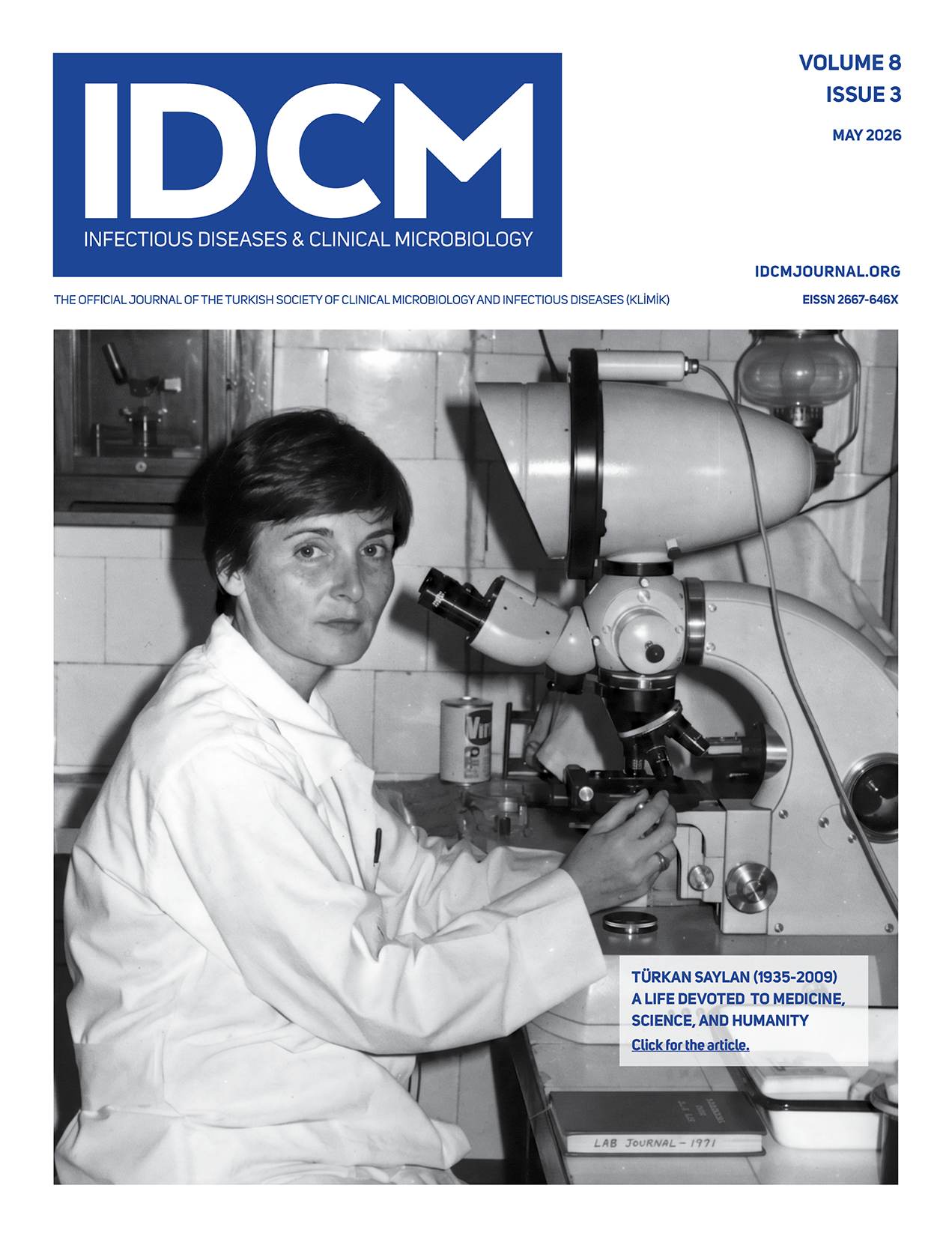
Türkan Saylan was born on December 13, 1935, in the Kandilli district of İstanbul, Türkiye, as the eldest child of Leyla and Fasih Saylan. Raised in a closely connected family environment with her siblings, she completed her early education in Kandilli [...] Read More