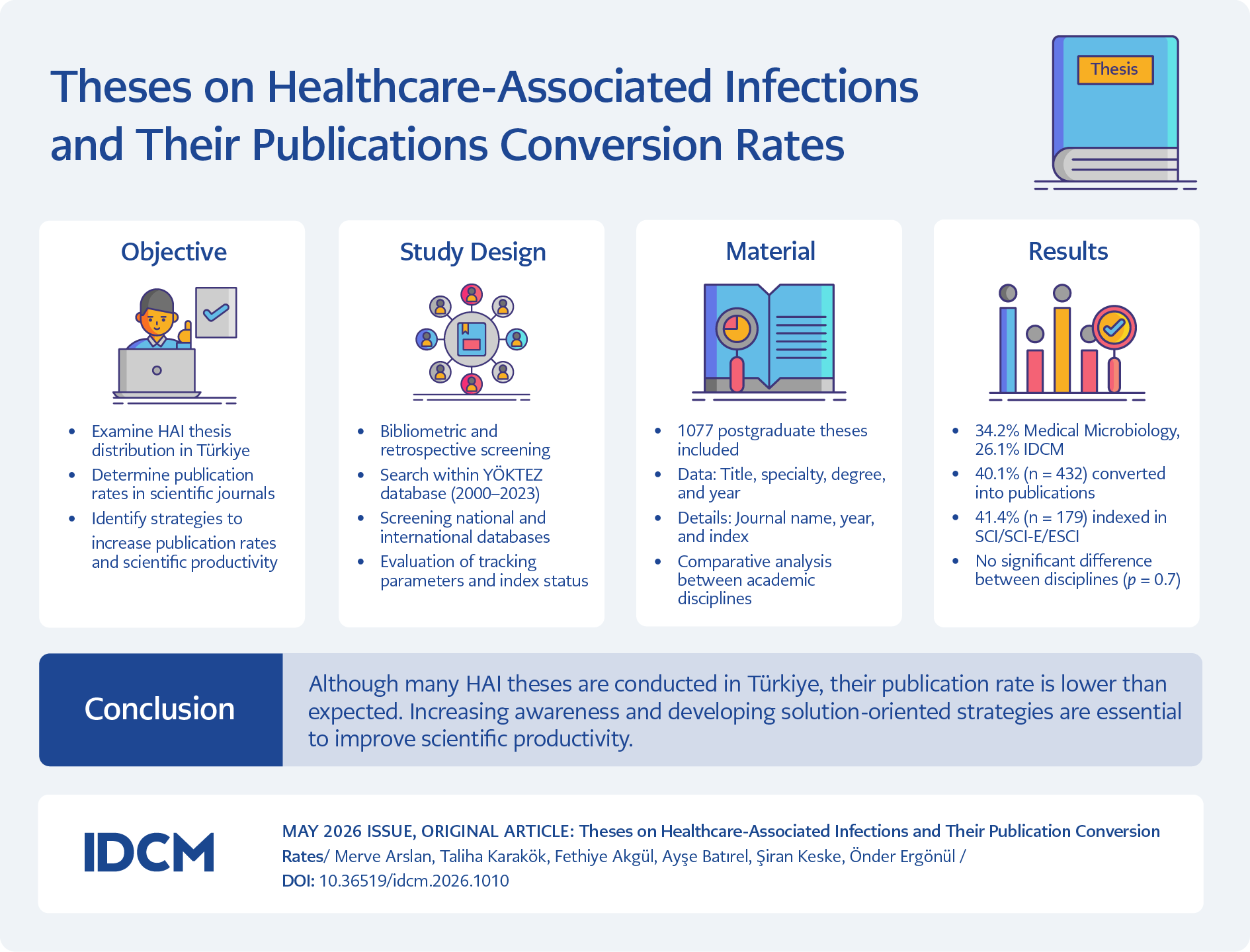
Graphic Abstract
Introduction
According to the Centers for Disease Control and Prevention (CDC)’s 2024 report, healthcare-associated infections (HAIs) occur in 1 in 31 hospitalized patients and in 1 in 43 residents in long-term care facilities (1). HAIs represent a global public health concern because they are associated with increased mortality, economic burden, antimicrobial resistance, increased healthcare workload, and potential legal consequences arising from failure to adhere to standard healthcare practices (2). Therefore, there is a critical need for up-to-date scientific publications and clinical guidelines on HAIs, particularly in intensive care units and across all areas of healthcare delivery (3).
In Türkiye, the preparation and submission of a thesis are mandatory for the completion of both medical specialty training and postgraduate (master’s and doctoral) education (4). Following the completion of a thesis, the publication of research findings in scientific journals is considered a key objective. However, despite this emphasis, the overall publication rate of theses in Türkiye remains alarmingly low, at approximately 11% (3). In Infectious Diseases and Clinical Microbiology, only 16% of theses have been found to focus on HAIs, a low proportion given the clinical and public health significance of the topic (4).
The present study aimed to identify and evaluate theses on HAIs conducted in Türkiye and to analyze their publication rates. In addition, the study sought to provide insight into academic interest in HAIs and to emphasize the importance of improving the visibility and dissemination of research conducted in this field. Increased dissemination of such research may contribute to both scientific productivity and public health outcomes.
Materials and Methods
In this study, theses on HAIs completed between 2000 and 2023 were identified through the YÖKTEZ database, the National Thesis Center of the Council of Higher Education in Türkiye. The following keywords were used in the search strategy: hospital infections, nosocomial infections, healthcare-associated infections, catheter-related infections, ventilator-associated pneumonia, surgical site infections, infection control measures, hand hygiene, care bundles, surveillance practices, antibiotic resistance, Klebsiella spp., E. coli, Acinetobacter spp., and Candida spp. infections. The YÖKTEZ database was manually screened using these predefined keywords.
Only one publication corresponding to each thesis was included in the analysis. For each thesis, the title, the author’s specialty and academic title, year of completion, and thesis topic were recorded. The identified theses were subsequently searched in the Web of Science, SCImago, ULAKBİM, and Google Scholar databases to determine whether they had been published and to assess their indexing status. For each identified publication, the article title, journal name, year of publication, indexing category, and publication subject were documented.
The thesis topics were classified into four categories: (i) antimicrobial resistance studies; (ii) infection type-specific studies, including ventilator-associated pneumonia (VAP), surgical site infections (SSIs), catheter-related infections, and related conditions; (iii) pathogen-focused studies (Gram-negative bacteria, Gram-positive bacteria, and Candida spp.; and (iv) prevention and control measures, including hand hygiene, care bundles, surveillance practices, and related topics.
Statistical analyses were performed using IBM SPSS Statistics for Windows, version 25.0 (IBM Corp., Armonk, NY, USA). Descriptive data were presented as numbers and percentages. The chi-square test was used to compare categorical variables, and a p-value of < 0.05 was considered statistically significant.
Results
A total of 1077 theses completed between 2000 and 2023 were included in the study. Theses related to HAIs accounted for 24% of all theses in the field of Infectious Diseases and Clinical Microbiology during the same period.
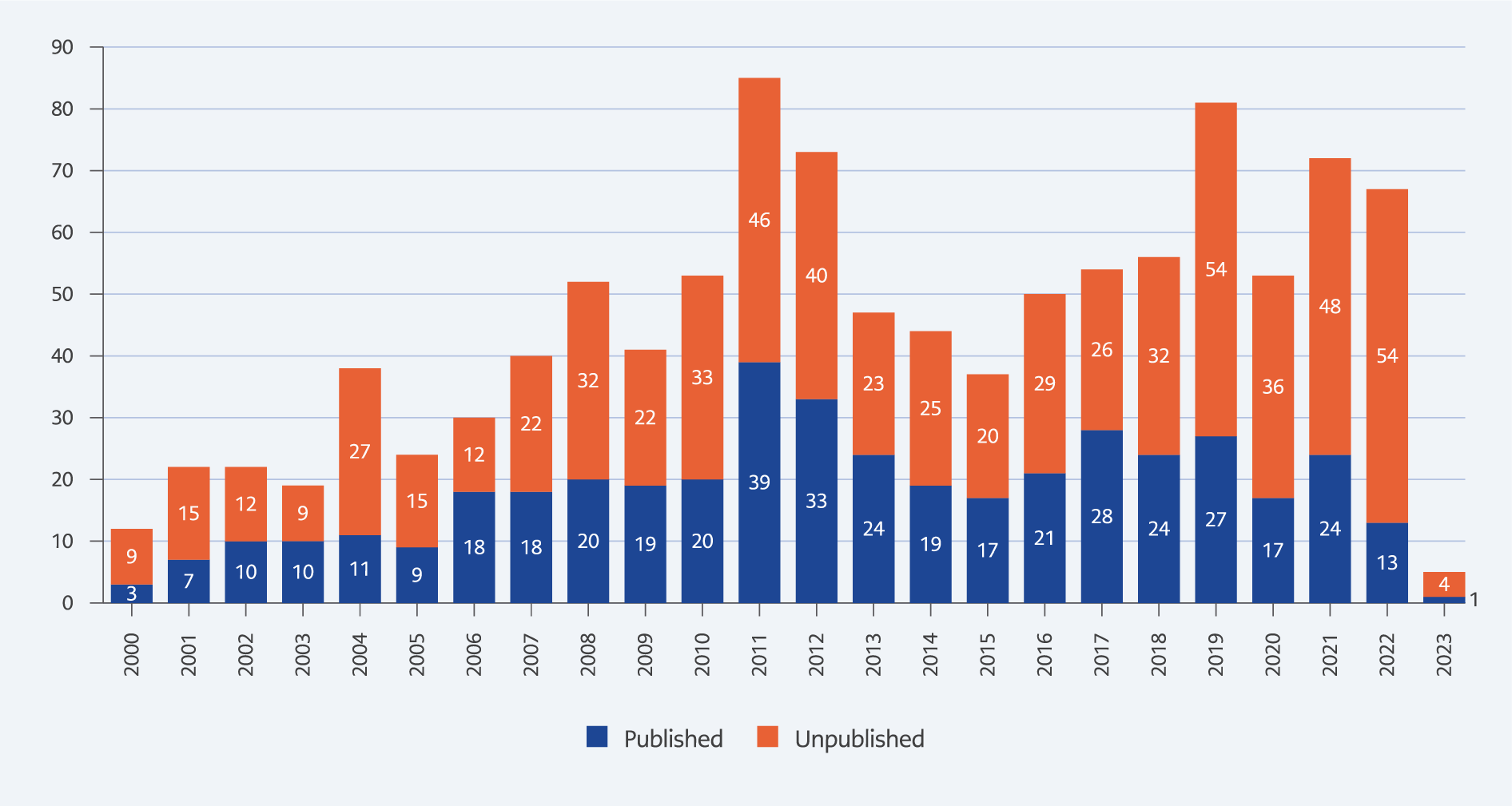
Figure 1. Yearly trend in publication rates of theses.
Overall, 40.1% of the theses (n = 432) were converted into scientific publications. Among these publications, 41.4% (n = 179) were published in journals indexed in the Science Citation Index (SCI), Science Citation Index Expanded (SCI-E), or Emerging Sources Citation Index (ESCI). The highest publication rate was observed in 2006, reaching 60%. A decline in publication rates was observed after 2018, with the lowest rate recorded in 2022 (20%) (Figure 1).
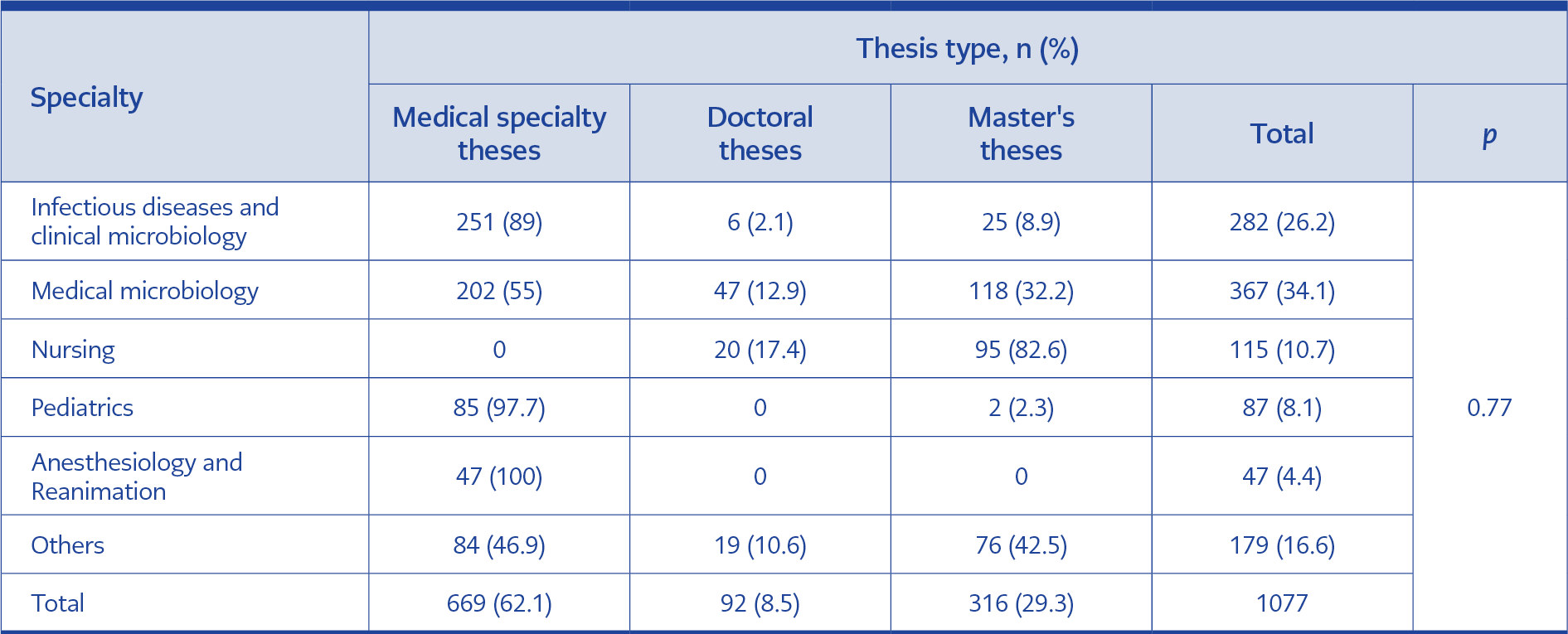
Table 1. Specialty distribution according to thesis type.
Regarding thesis type, 62.1% were medical specialty theses, 29.3% were master’s theses, and 8.5% were doctoral theses. In terms of academic field, 34.2% of the theses were conducted in Medical Microbiology, whereas 26.1% were conducted in Infectious Diseases and Clinical Microbiology. The highest number of medical specialty theses (n = 251) was identified in Infectious Diseases and Clinical Microbiology. The distribution of thesis types and specialties is presented in Table 1.

Table 2. Relationship between thesis type and publication status.
Medical specialty theses were found to have a significantly higher publication rate (p = 0.02). The relationship between thesis type and publication status is presented in Table 2. However, no statistically significant difference was observed between specialties regarding publication rates (p = 0.76).
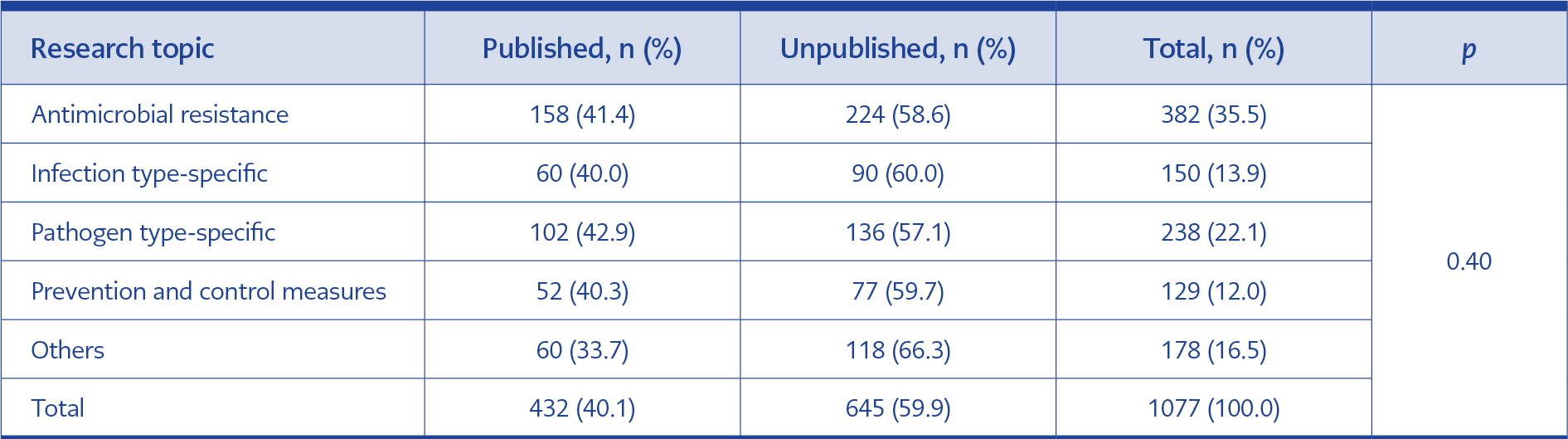
Table 3. Distribution of thesis-to-publication conversion according to research topic.
Regarding research topics, 35.5% of the theses focused on antimicrobial resistance, 22.1% on pathogen type-specific topics, 13.9% on infection type-specific topics, 12.0% on prevention and control measures, and 16.5% on other topics. Analysis of the association between thesis topic and publication status demonstrated no significant difference (p = 0.40). The distribution of thesis-to-publication conversion rates according to research topic is presented in Table 3.
Discussion
In this study, the relationship between theses on HAIs and their publication rates was examined. In addition, the impact of thesis type and medical specialty on the conversion of theses into scientific publications was analyzed. A total of 1077 theses were included, with an overall publication rate of 40.1%. Among the published studies, 41.4% were indexed in SCI, SCI-E, or ESCI-indexed journals. A previous study conducted in Türkiye reported a publication rate of 11% for theses in Infectious Diseases and Clinical Microbiology, and Medical Microbiology (3). Another study reported a publication rate of 25% and identified HAIs as the second most common thesis topic in the field of infectious diseases (16%). Compared with these reports, the publication rate observed in the present study was notably higher. This difference may be attributed to the exclusive focus on HAIs, which is currently a prominent and relevant research area.
Although publication rates in Türkiye increased significantly between 2000 and 2016, they have remained relatively low in subsequent years (4). The findings of the present study are consistent with this trend. This pattern may be associated with changes in associate professorship criteria introduced in 2000. Following this adjustment, the scope of internationally recognized publications was expanded, and the minimum publication requirements across scientific fields were increased, potentially encouraging researchers to publish findings derived from their theses (4). Previous studies have reported that the average time required for conversion of a thesis into publication ranges from approximately 2.8 to 5 years (5,6). This delay may explain the lower publication rates observed in theses completed after 2017 in the present study.
Previous studies have demonstrated that the increased workload and psychological stress experienced during the COVID-19 pandemic negatively affected academic productivity (7). Furthermore, while publications related to COVID-19 increased substantially during this period, research output in other scientific fields remained relatively underrepresented (8). We hypothesize that the increased workload of researchers in relevant fields during and after the COVID-19 pandemic may have adversely affected the publication process for HAI-related theses.
In the present study, the majority of the included theses were medical specialty theses, and these were associated with significantly higher publication rates. Similarly, Sipahi et al. reported that specialty theses were published more frequently than doctoral theses, although the difference was not statistically significant (3). Another study in the field of public health found higher publication rates for doctoral theses than for master’s theses, attributed to stronger academic career motivations among doctoral and specialty trainees (9).
Regarding specialty-based differences, previous studies have reported lower publication rates in surgical specialties. In our study, publication rates were higher in basic medical sciences compared to clinical units (10); however, this difference was not statistically significant. Additionally, the predominance of HAI-related research within Infectious Diseases, Clinical Microbiology, and Medical Microbiology may have contributed to the higher publication rates observed in these fields (4).
The selection of thesis topics that are both current and aligned with the researcher’s field of interest is considered an important factor influencing their conversion into academic publications (4,11). In the present study, antimicrobial resistance-related topics constituted the largest proportion of theses, suggesting that researchers tended to focus on up-to-date topics. However, no statistically significant association was found between thesis topic and publication status.
In conclusion, healthcare-associated infections can be prevented through effective infection control measures. Current publications in this field are essential for the development of evidence-based approaches, particularly in countries with high rates of antimicrobial resistance. The findings of this study highlight that although a considerable number of theses on HAIs have been produced in Türkiye, fewer than half have subsequently been converted into scientific publications. Increasing awareness of this issue and developing solution-oriented strategies may improve scientific productivity and research dissemination in this field.