Introduction
Mucormycosis is a fungal infection caused by members of the order Mucorales, including Rhizopus, Mucor, Rhizomucor, Actinomucor, Apophysomyces, Cunninghamella, Lichtheimia, Saksenaea, and Syncephalastrum (1). Rhizopus, Mucor, and Lichtheimia are the most common etiologic agents and together account for more than 90% of mucormycosis cases worldwide (2).
Invasive mucormycosis is a fatal fungal infection mostly reported in patients with comorbidities affecting the immunological status, such as uncontrolled diabetes, and immunocompromised patients (2,3). Predisposing conditions include neutropenia, corticosteroid therapy, transplantation, and immunosuppression. Concern about mucormycosis has intensified during the COVID-19 pandemic, underscoring the need for coordinated efforts between the scientific and clinical communities (4).
The present study aimed to assess global research trends in mucormycosis by analyzing publications in the medical field indexed in the Web of Science database between 2000 and 2025. Quantitative and qualitative indicators were used to evaluate temporal publication trends, country contributions, international collaboration, funding sources, subject areas, frequently used keywords, leading institutions, and the most productive journals.
Materials and Methods
A descriptive bibliometric study design was employed. Publications related to mucormycosis were retrieved from the Web of Science database between January 1, 2000, and February 1, 2025. A predefined search strategy consistent with previously published bibliometric studies (5,6). The search was conducted within the Science Citation Index Expanded (SCIE) and the Emerging Sources Citation Index (ESCI) databases of the Web of Science Core Collection.
The following title-based search terms were used: Mucormycosis OR Mucorales Infections OR Zygomycoses OR Infection, Mucorales OR Mucorales OR phycomycosis OR Rhizopus OR Syncephalastrum OR Saksenaea OR Lichtheimia OR Cunninghamella OR Apophysomyces OR Actinomucor OR Rhizomucor.
The initial search yielded 9425 publications. After limiting the document type to “article”, the number decreased to 6689. Restricting the language to English further reduced the number to 6605. As the year 2025 was ongoing at the time of data collection, publications from 2025 were excluded, resulting in 6579 articles.
Among these, 4916 articles published since 2000 accounted for 74.7% of the total. Articles outside the field of medicine were subsequently excluded, yielding a final dataset of 2936 articles. Based on the predefined inclusion and exclusion criteria, these 2936 articles constituted the study sample and were included in the final analyses.
Statistical Analysis and Bibliometric Mappings
Microsoft Office Excel 2016 was used to analyze annual publication trends. Bibliometric mapping was performed to visualize relationships and networks among publications, keywords, authors, institutions, and countries, facilitating the identification of research structures and emerging trends in the field (5,6). Bibliometric networks were generated and visualized using VOSviewer software (version 1.6.19) (7), which enables the construction of maps based on large-scale bibliographic data.
Results
General Profile
According to the inclusion criteria, 2936 articles on mucormycosis between 2000 and 2024 were retrieved from the Web of Science database. Of these publications, 1035 were indexed in the ESCI and 1901 in the SCIE.
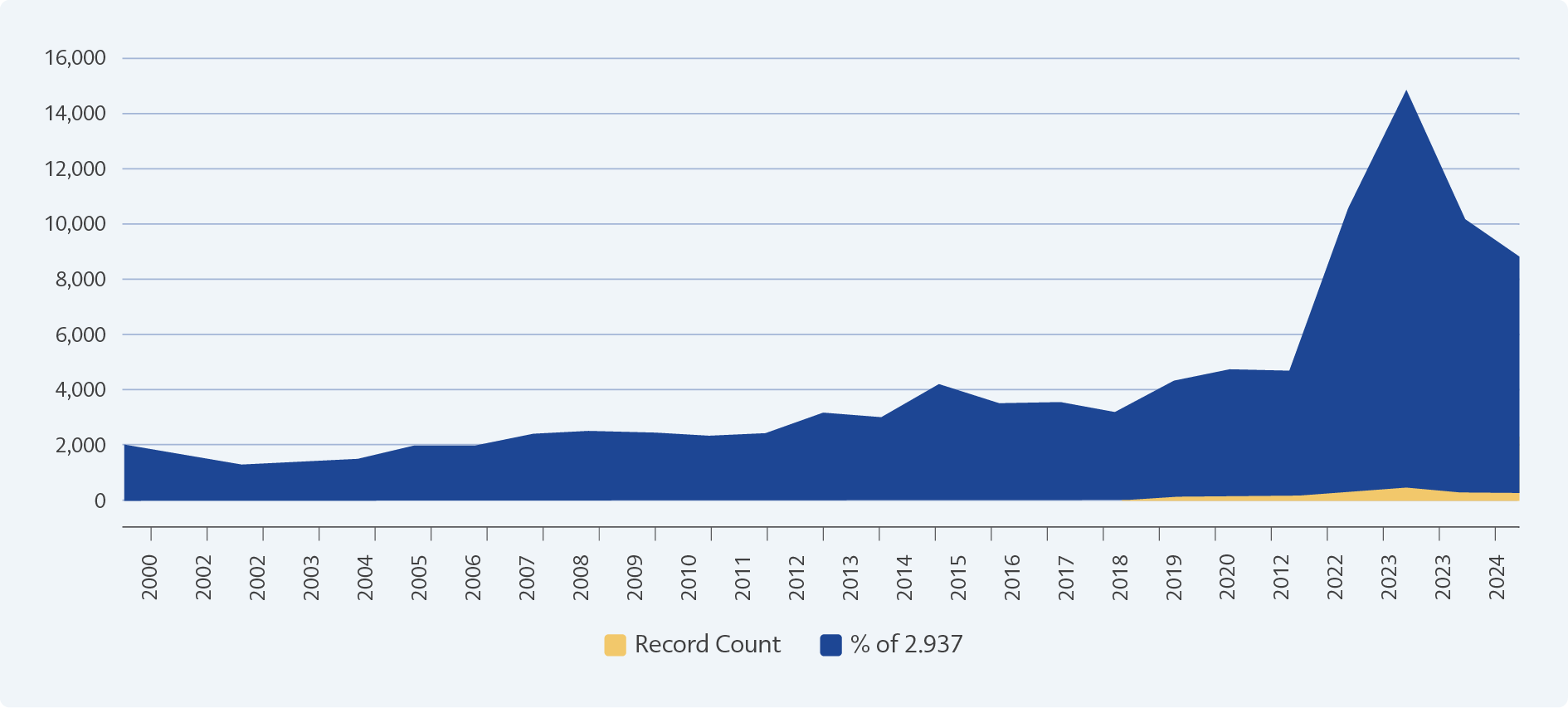
Figure 1. Number of publications by years.
As shown in Figure 1, the annual number of publications increased markedly over the study period, with pronounced peaks in 2021 (10.35%) and 2022 (14.51%), accounting for a substantial proportion of the total output. Although modest declines were observed in 2023 and 2024 (approximately 9%–8%), publication levels remained considerably higher than in the pre-2020 period. The sharp rise in publications during the early 2020s suggests a strong external influence, most notably increased research activity during and following the COVID-19 pandemic. Overall, the data demonstrate a rapid and sustained growth in mucormycosis-related research.
Top-Cited Articles and Citation Analysis
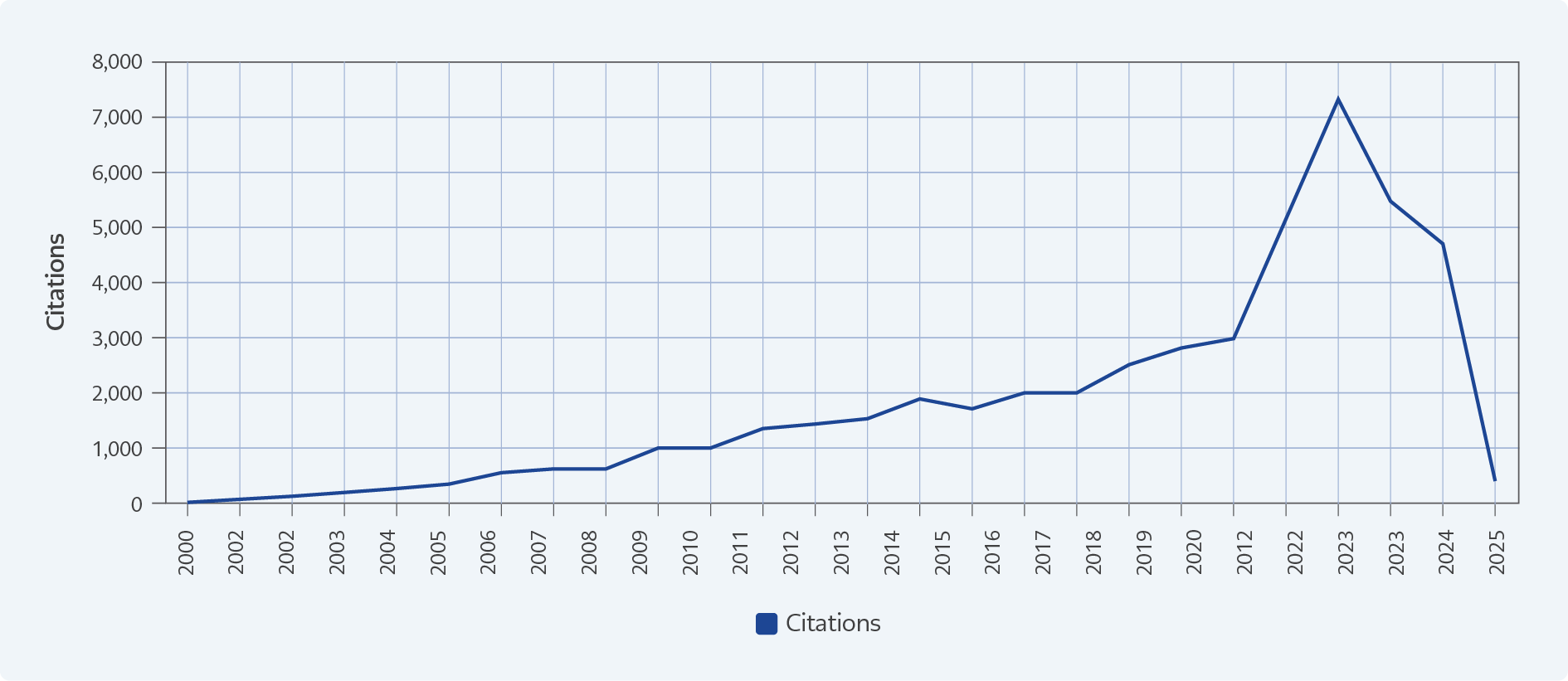
Figure 2. Number of citations
The included publications received 47,688 citations, yielding a mean of 16.24 citations per article. Articles published in 2022 accounted for the highest number of citations (7270), making it the most cited year overall. The annual distribution of citations is illustrated in Figure 2.
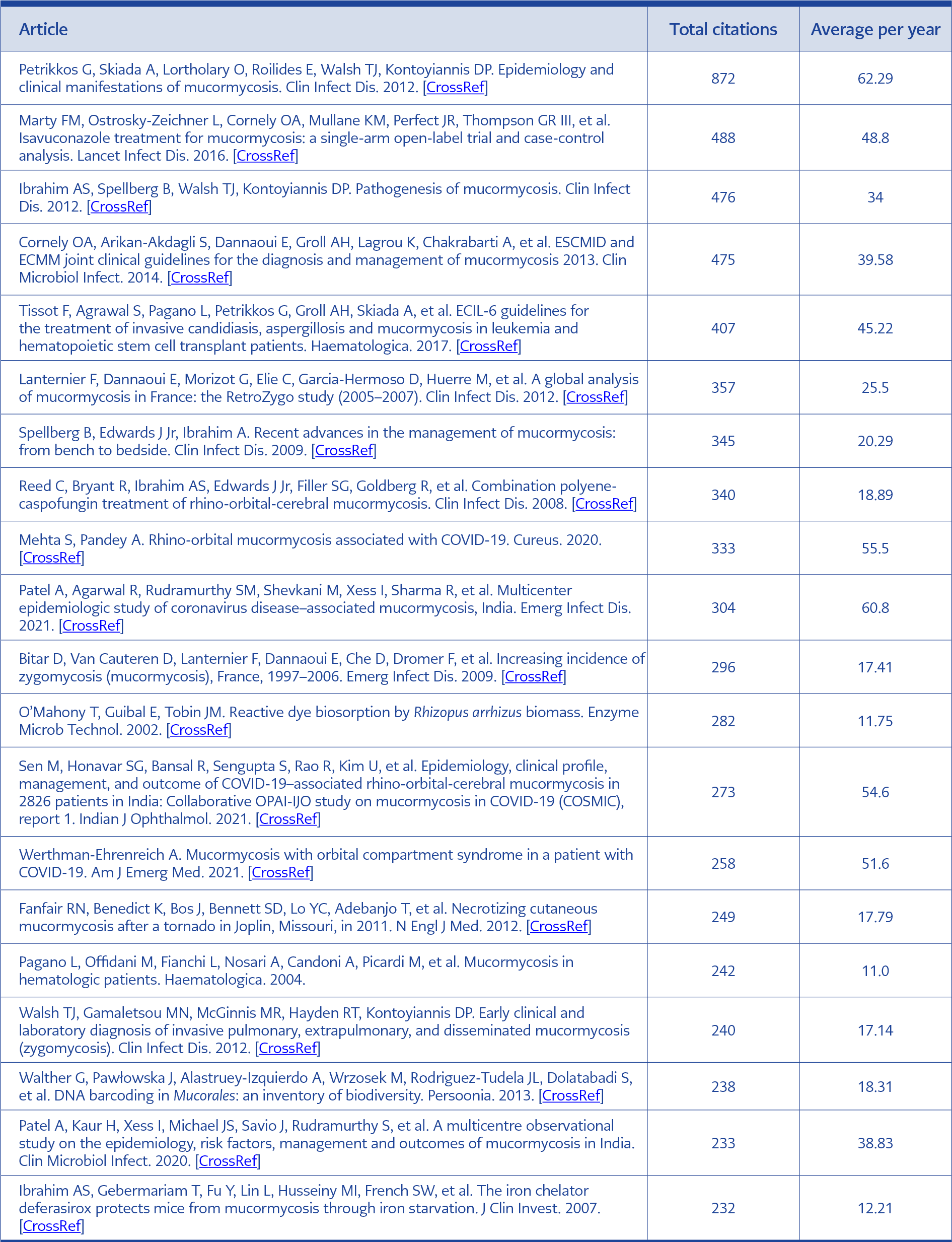
Table 1. The top 20 most cited articles.
Table 1 lists the most highly cited articles in the field of mucormycosis. The two leading publications were Epidemiology and clinical manifestations of mucormycosis (2012) by Petrikkos et al., and Isavuconazole treatment for mucormycosis (2016) by Marty et al. More recent studies, including Rhino-orbital mucormycosis associated with COVID-19 (2020) and Multicenter epidemiologic study of coronavirus disease-associated mucormycosis, India (2021), demonstrated particularly high average citation rates, reflecting the rapidly growing interest in COVID-19-associated mucormycosis. In addition, clinical guidelines and review articles, such as ESCMID and ECMM joint clinical guidelines for the diagnosis and management of mucormycosis (2014) and Pathogenesis of mucormycosis (2012), were among the most frequently cited publications.
Funding Agencies
A total of 876 organizations provided financial support for the publications included in this analysis. Among the major funding organizations, the National Natural Science Foundation of China (NSFC) was the leading supporter, funding 92 publications (3.13%). The National Institutes of Health (NIH) of the United States also made a significant contribution, supporting 45 publications (1.53%).
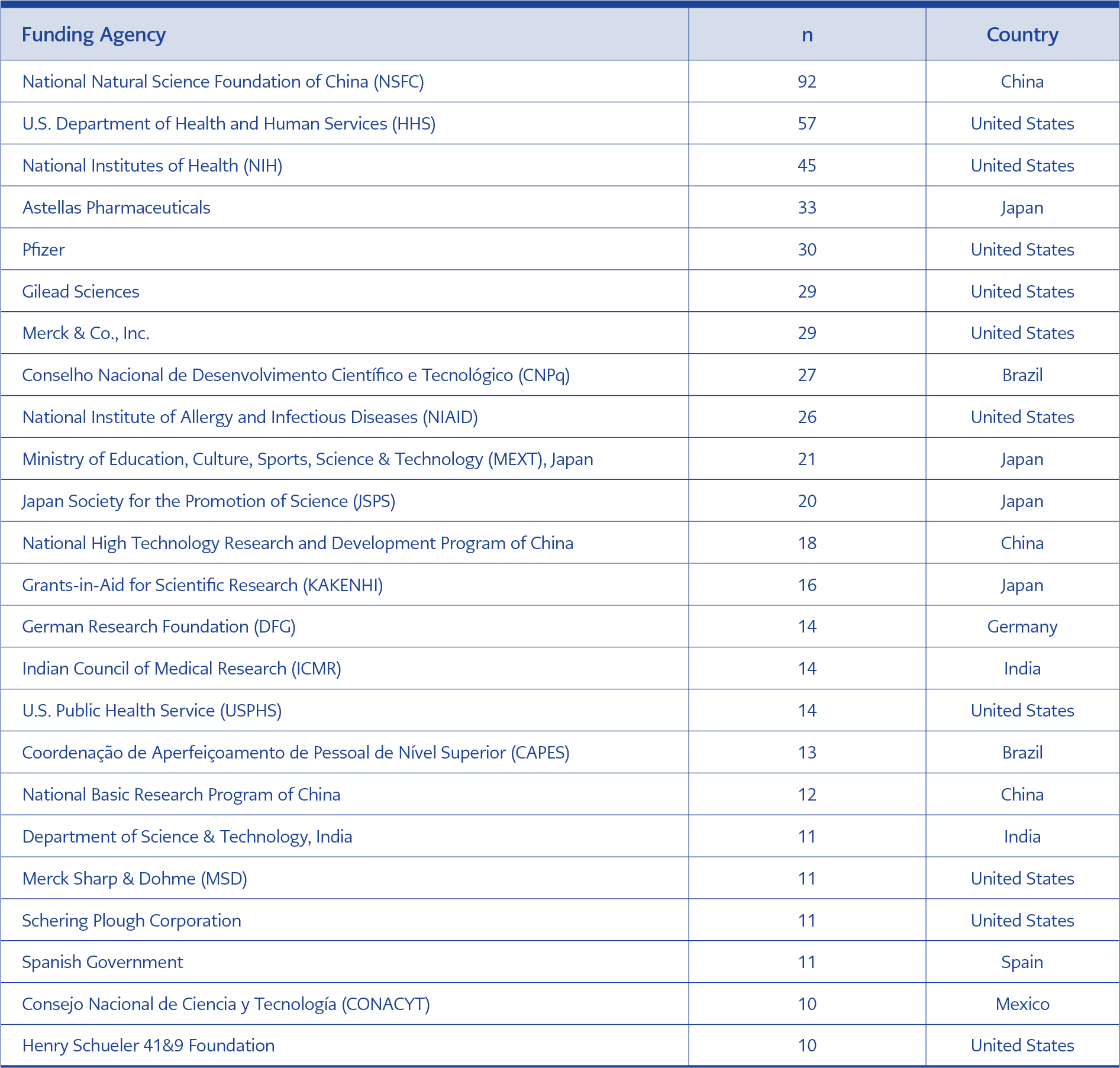
Table 2. Top funding agencies.
Other notable funding institutions included Astellas Pharmaceuticals (33 publications, 1.12%), a Japan-based pharmaceutical company; the United States Department of Health and Human Services (HHS) (57 publications, 1.94%); and Merck & Co., Inc. (29 publications, 0.99%), a United States-based pharmaceutical company. Additionally, the Japan Society for the Promotion of Science (JSPS) (20 publications, 0.68%) and Japan’s Ministry of Education, Culture, Sports, Science and Technology (MEXT) (21 publications, 0.76%) were identified as important contributors. Detailed information on funding agencies is presented in Table 2.
Important Keywords
A total of 3179 keywords were extracted from the global mucormycosis literature. Among these, 88 keywords appeared more than ten times, providing insight into the major research trends. These keywords were analyzed using Vosviewer software.
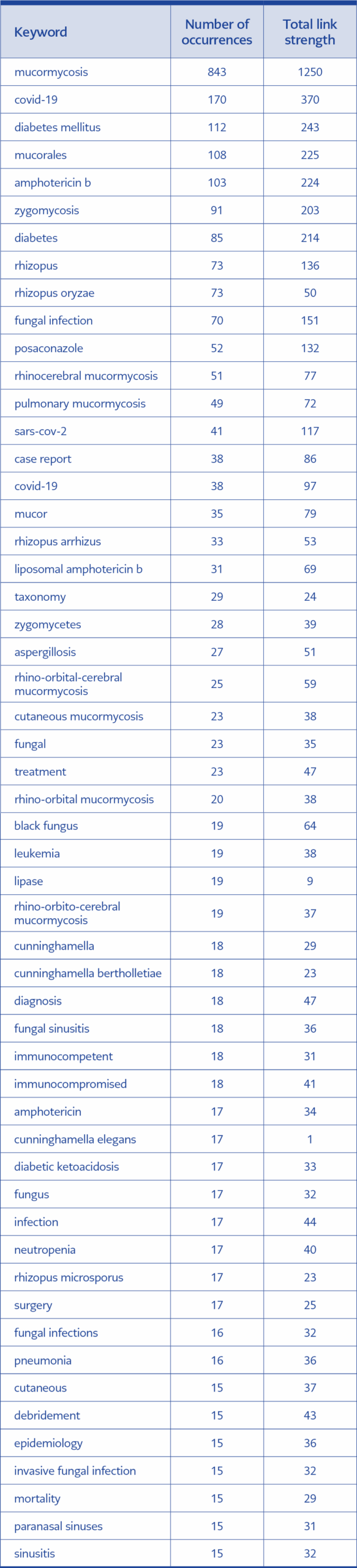
Table 3. Most common keywords.

Figure 3.a. Overlay visualization of common keywords.
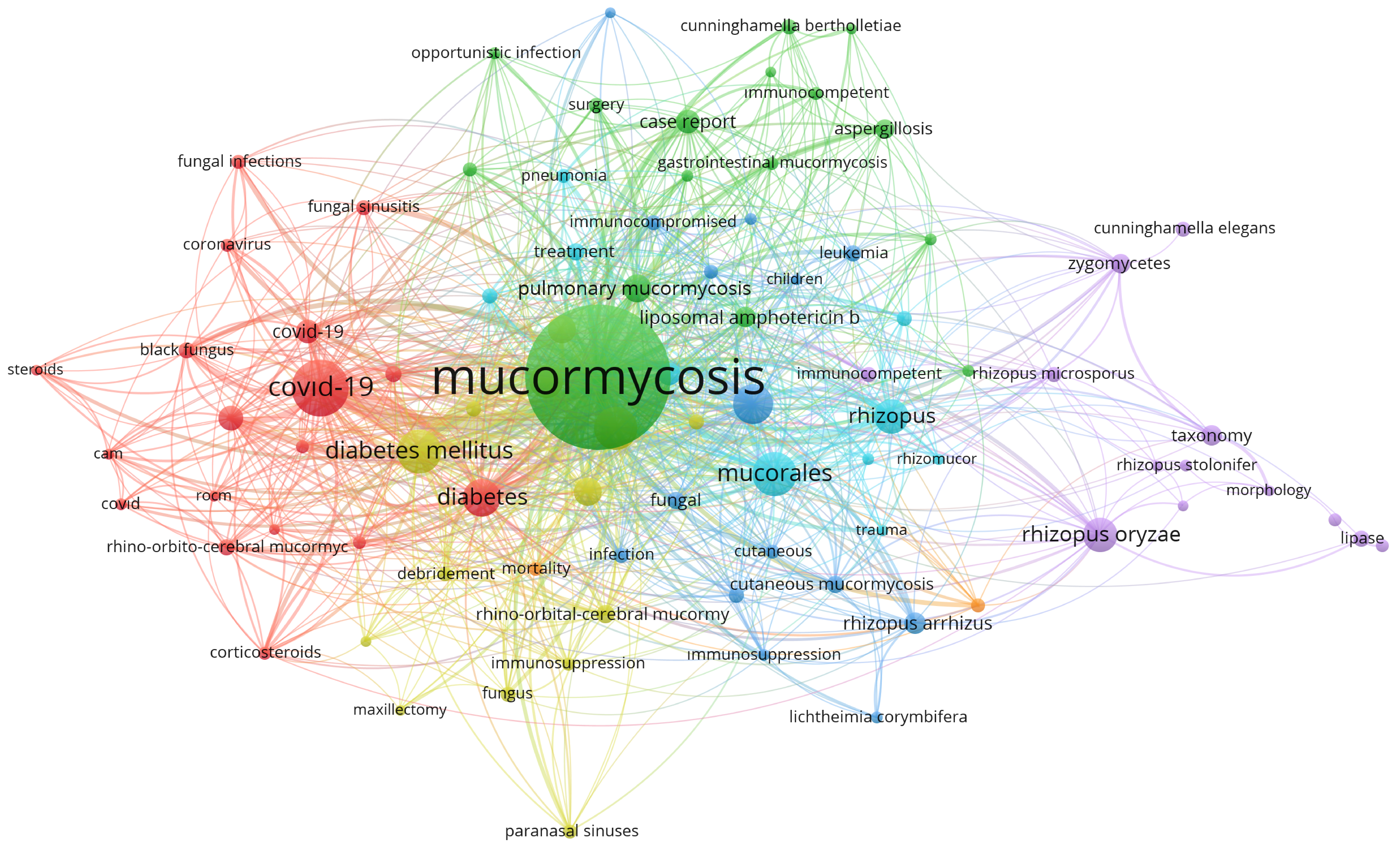
Figure 3.b. Keyword analysis.
The frequency and relevance of the most prominent keywords are summarized in Table 3 and visualized in Figures 3a and 3b. Figure 3a shows an overlay visualization of common keywords, illustrating temporal trends in keyword usage between 2000 and 2025, with color gradients indicating changes over time.
The analysis highlights the significant concern of COVID-19-associated mucormycosis, diabetes, and immunocompromised states (Table 3). It emphasizes treatment strategies, particularly antifungal therapies, as well as various manifestations of the disease. Frequent use of terms such as Rhizopus and Mucorales indicates specific fungal species, while amphotericin B and Posaconazole emerged as the most commonly referenced antifungal agents.
The Most Prolific Countries
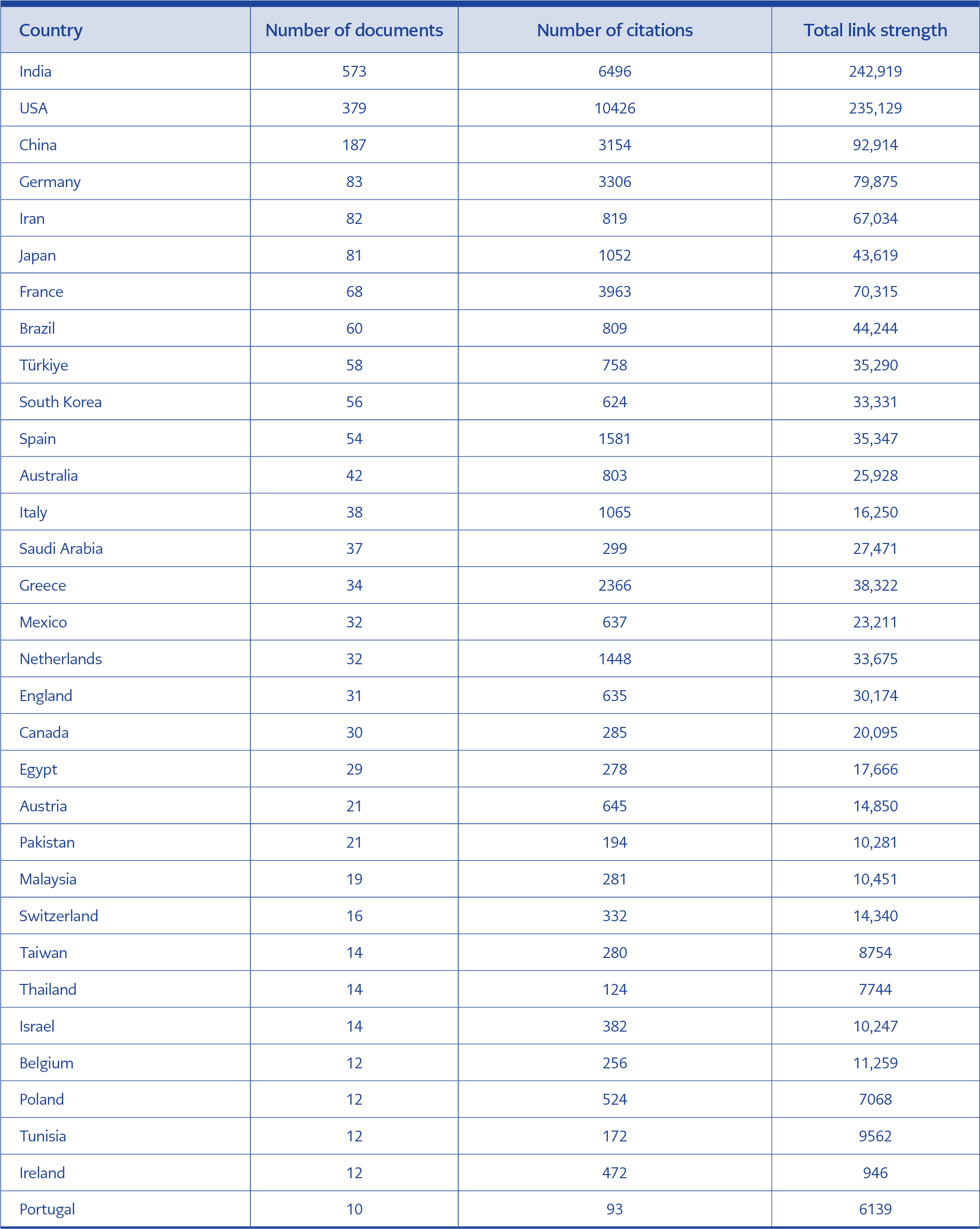
Table 4. Most prolific countries.
Research on mucormycosis involved contributions from 89 countries. The United States had the highest number of citations (10,426), with 379 publications, indicating both high research output and strong global impact. As shown in Table 4, India produced the largest number of publications, but had a comparatively lower citation count (6496 citations), suggesting a relatively lower citation impact despite high productivity.
China ranked third, with 187 publications and 3154 citations. Several European countries, including Germany, France, Spain, Italy, and Greece, also made notable contributions to citation counts. In addition, South Korea and Japan demonstrated meaningful research output and impact.
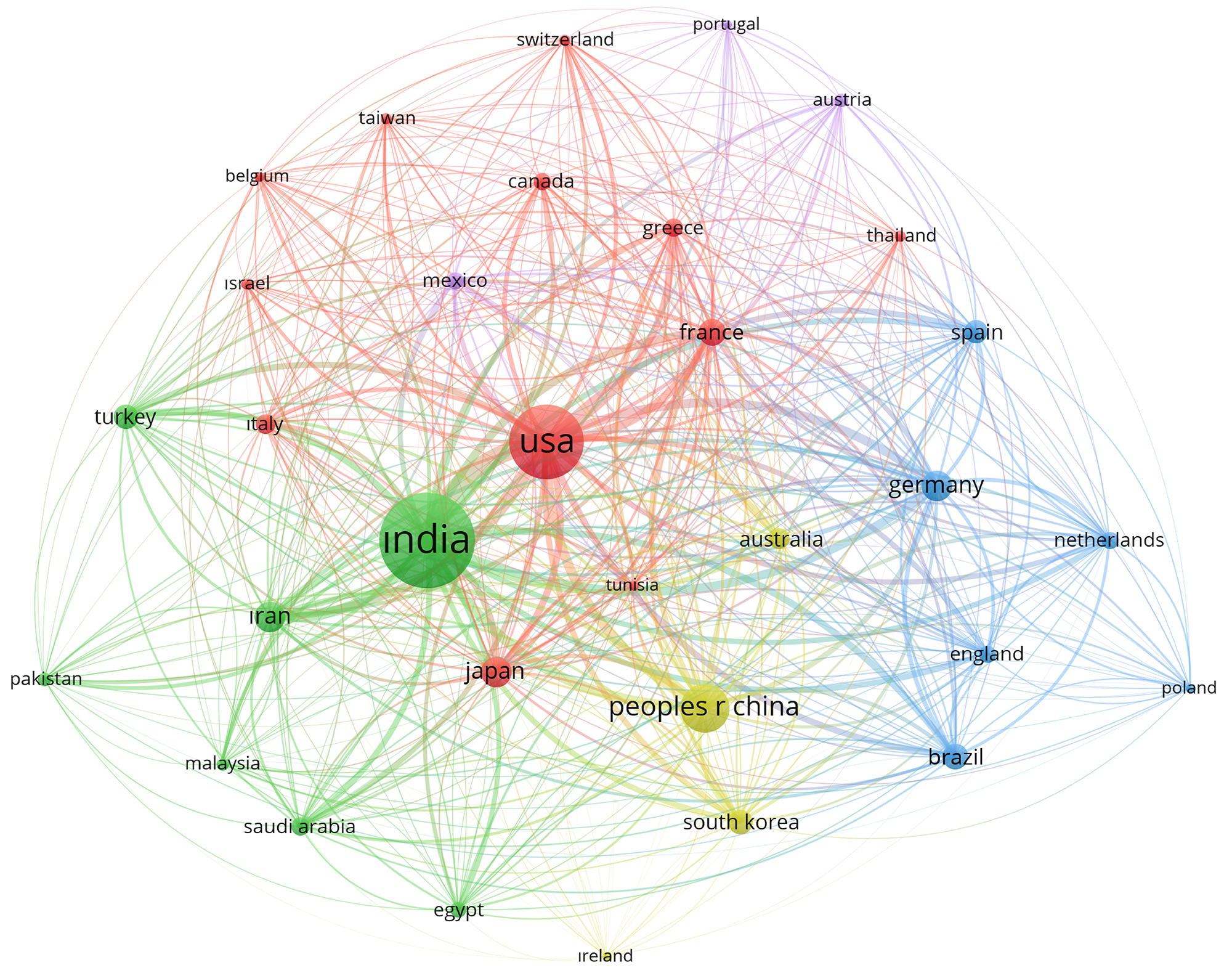
Figure 4. International collaborations between countries.
Figure 4 illustrates international collaboration networks. Countries with higher publication output are represented with larger circles, while the thickness of the connecting lines reflects the strength of collaborative relationships. Countries connected to each other are shown in the same color.
The Most Productive Organizations
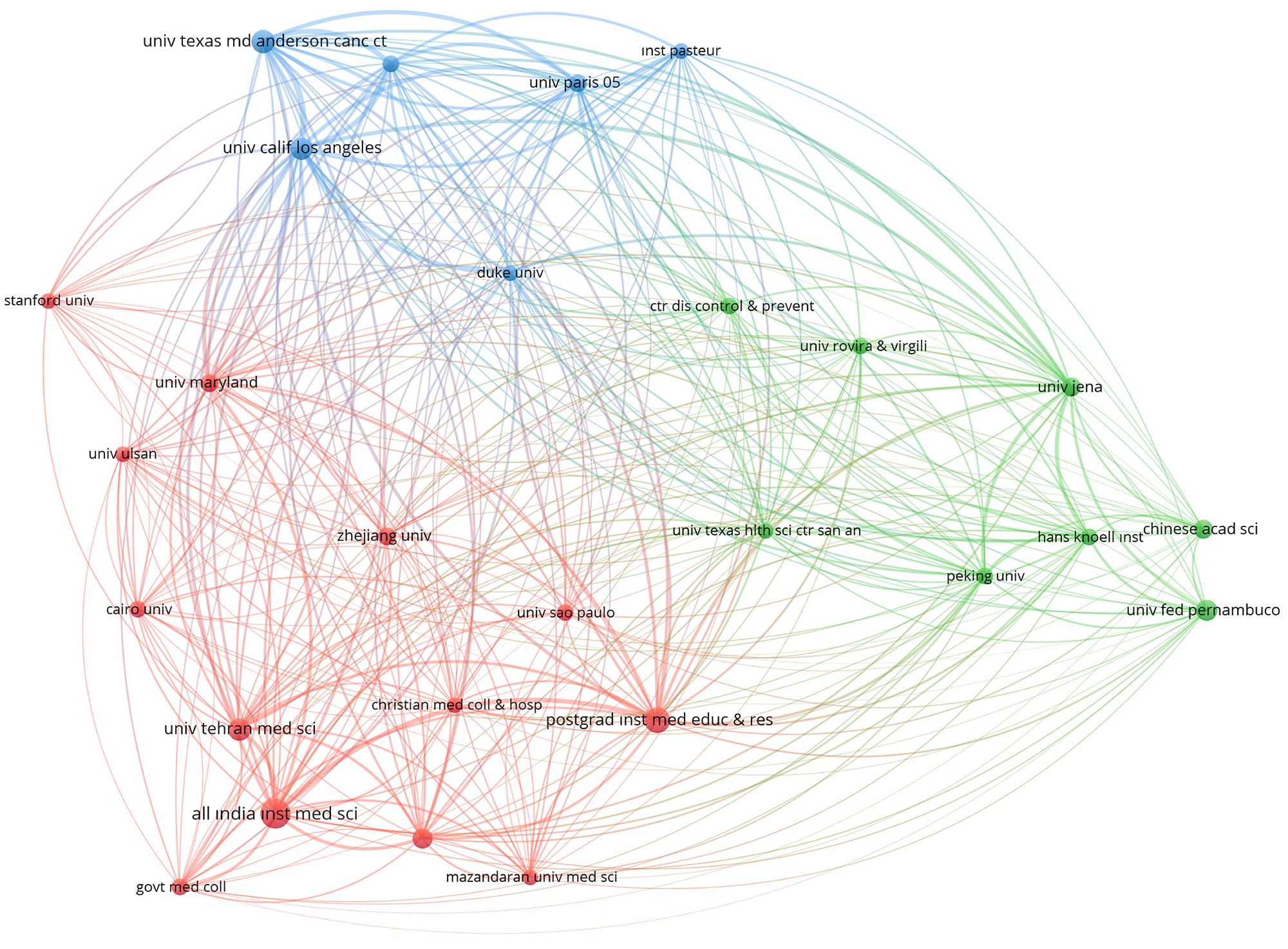
Figure 5. International collaborations between organizations.
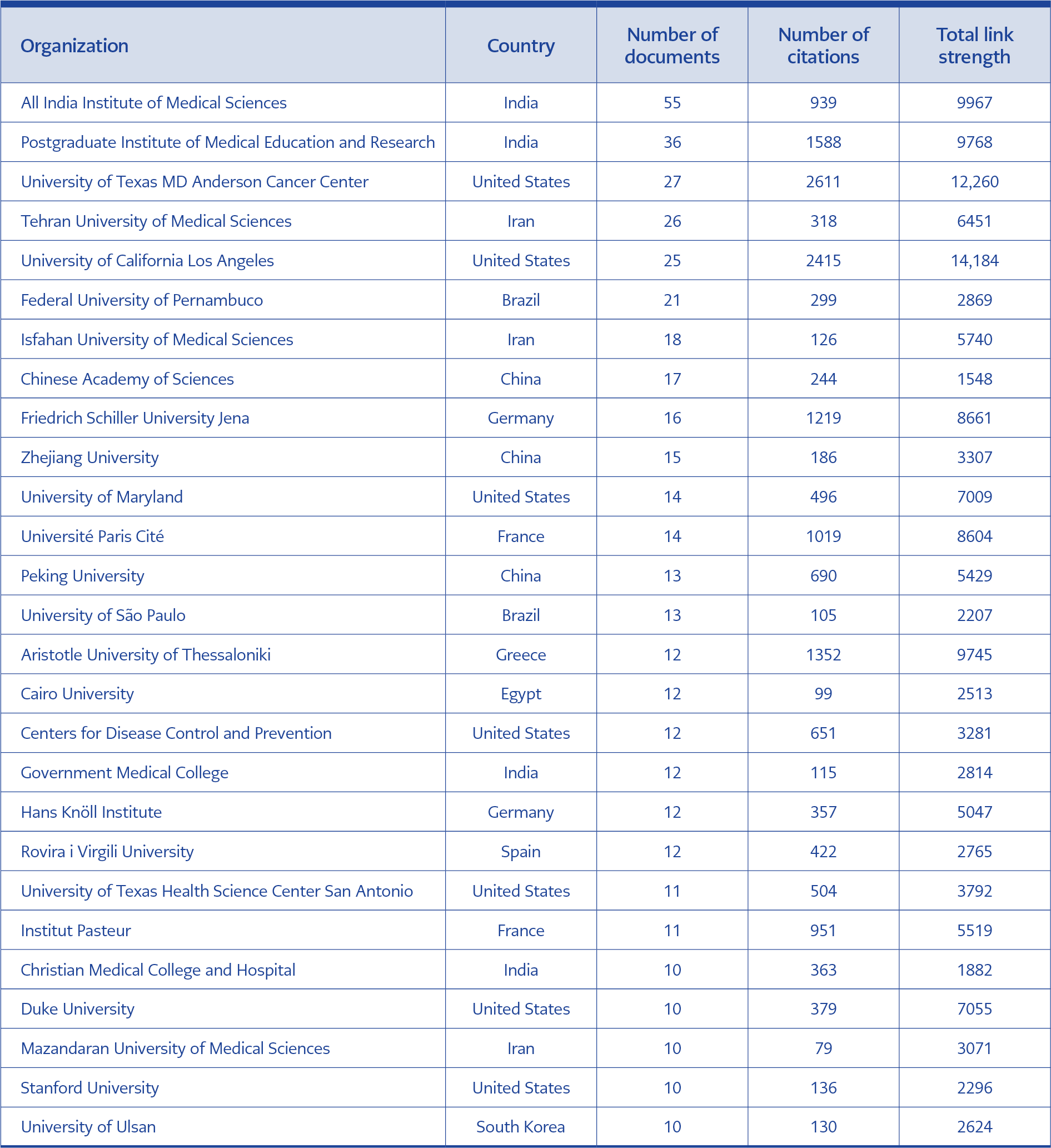
Table 5. Most prolific organizations.
There are 2553 organizations that have contributed to the global mucormycosis literature. The most productive institutions, ranked by publication count, are presented in Table 5. India showed the highest institutional representation, with four actively contributing organizations: All India Institute of Medical Sciences, Postgraduate Institute of Medical Education and Research, Government Medical College, Christian Medical College and Hospital.
The United States followed with seven institutions, including the University of Texas MD Anderson Cancer Center, the University of California, Los Angeles, the University of Maryland, the Centers for Disease Control and Prevention, the University of Texas Health Science Center San Antonio, Duke University, and Stanford University. These institutions demonstrated the highest overall citation counts and total link strength, reflecting substantial international visibility and research influence.
Institutions from China (Chinese Academy of Sciences, Zhejiang University, Peking University), Iran (University of Tehran Medical Sciences, Isfahan University of Medical Sciences), and Brazil (Federal University of Pernambuco, University of São Paulo) were among the leading contributors.
Among all institutions, the University of Texas MD Anderson Cancer Center was the most frequently cited (2611 citations), indicating a particularly academic impact. Other highly cited institutions included the Postgraduate Institute of Medical Education and Research (India) and the University of California, Los Angeles (United States).
Top Journals
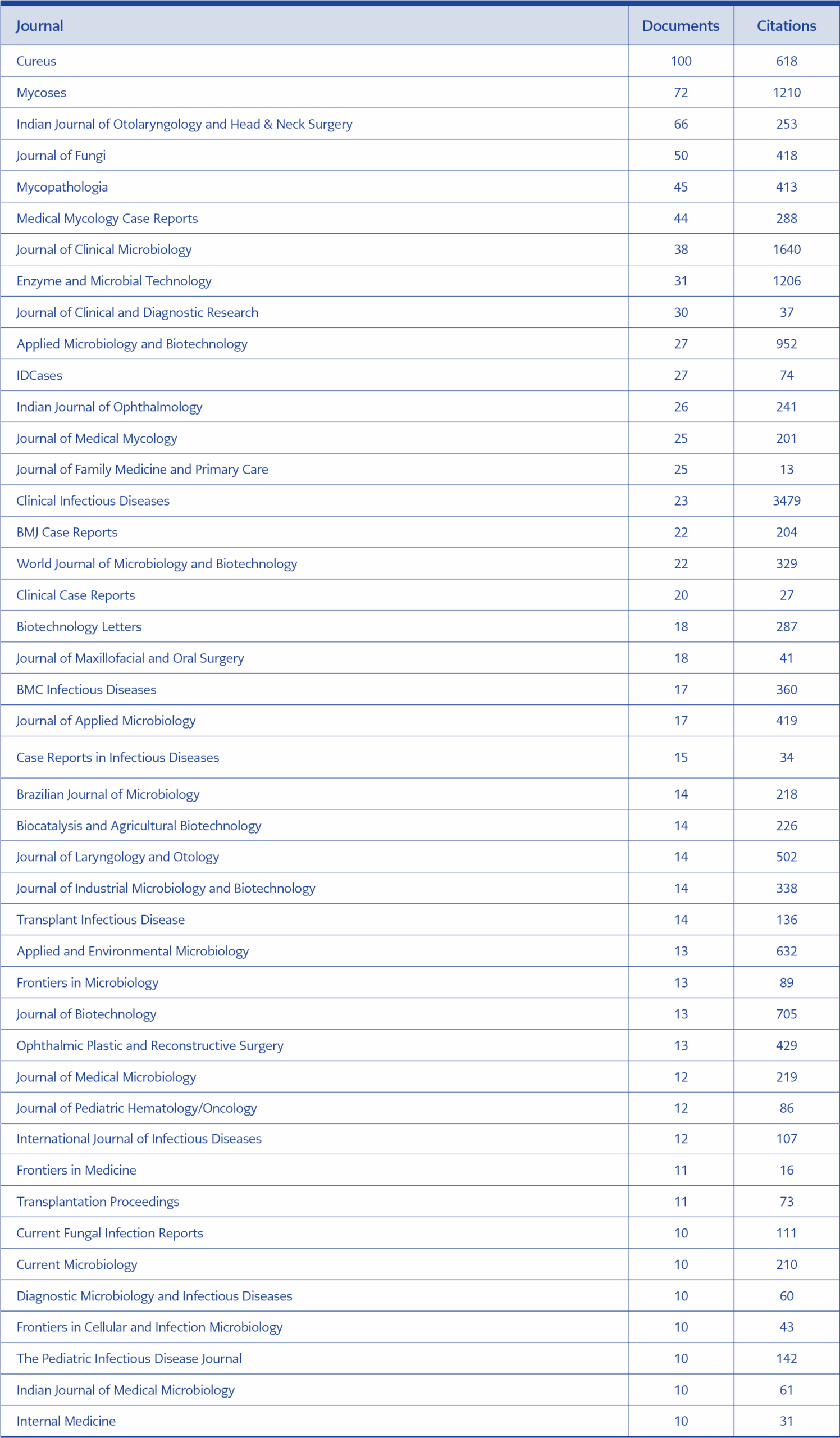
Table 6. Top publishing journals.
Research articles on mucormycosis were published across 716 different journals. The leading journals, based on publication volume and citation counts, are summarized in Table 6. Cureus published the highest number of articles (100 publications), although it had a moderate citation count (618 citations). Mycoses demonstrated a higher citation impact (1210 citations) despite a lower number of publications. Other journals, including Indian Journal of Otolaryngology and Head & Neck Surgery and Medical Mycology Case Reports, had fewer citations.
Discussion
This bibliometric study provides an extensive analysis of global research activity on mucormycosis over the past 25 years. The pronounced increase in publications after 2020 coincides with the COVID-19 pandemic, which not only led to a substantial rise in reported mucormycosis cases but also drew heightened scientific attention. COVID-19-associated mucormycosis (CAM), particularly reported from India, emerged as a dominant research focus, reflecting the convergence of poorly controlled diabetes, widespread corticosteroid use, and SARS-CoV-2 infection.
Our findings are broadly consistent with previous bibliometric analyses (8–12), all of which identify the COVID-19 pandemic as a major driver of increased publication activity. Similar to these reports, India was the most prolific country in terms of publication volume, while the United States had the highest citation impact. This divergence between productivity and citation impact highlights differences in research visibility, funding structures, and journal selection across countries.
The higher citation impact of publications from the United States may partly be explained by preferences for journals indexed in SCIE, which generally have broader international visibility. In contrast, the vast majority of publications from India appeared in ESCI journals, which may limit citation exposure despite high research output. As a result, despite high productivity, these studies may receive fewer citations. These observations emphasize the role of journal accessibility and indexing in shaping global research impact.
Funding patterns further support these findings, with the NIH and NSFC emerging as leading funding agencies. At the institutional level, the University of Texas MD Anderson Cancer Center ranked highest in citation counts, which was not surprising given its extensive expertise in the field of infectious complications of cancer and transplantation. Indian institutions demonstrated high productivity, likely reflecting the significant national disease burden.
Differences between our results and other bibliometric studies can be attributed to variations in data sources and methodological approaches. While our analysis was limited to medical articles in the Web of Science database, other studies incorporated broader databases or extended time frames. For example, Gupta et al. (9) analyzed 5658 publications retrieved from Scopus, which resulted in the United States as the leading contributor (30.6%), whereas India ranked first in publication output in our study. Sivankalai and Sivasekaran (11) examined the evolution of mucormycosis research over a longer historical period (1923–2021), providing the most extensive historical coverage to date. Despite methodological differences, all studies consistently highlight the limited research impact from low-income countries. Dayal et al. (12) emphasized that although India produces 61.2% of global CAM publications, the mean citation rate per article (7.8) remains significantly lower than that of France (28.2) and the United States (17.8). Similarly, in our analysis, the USA had the highest academic impact, with 10,426 citations. Gupta et al. (9) showed that only 11.2% of studies reported external funding, identifying limited resources as a major constraint in this research field.
In our study, the representation of keywords such as diabetes mellitus, amphotericin B, Rhizopus, and pulmonary mucormycosis highlights the clinical and therapeutic challenges encountered with this infection. These findings are consistent with previous reports identifying diabetes and immunosuppression as major risk factors and amphotericin B as the main antifungal therapy. The position of Rhizopus oryzae in the keyword map also mirrors global epidemiologic data, which recognize this species as the most common causative agent of mucormycosis worldwide.
Keyword analyses revealed that COVID-19, diabetes, and amphotericin B were the most frequently occurring terms in the studies. The high frequency of the keyword mucormycosis (> 843 occurrences) underscores its strong association with the COVID-19 pandemic, during which a dramatic rise in mucormycosis cases was observed. Diabetes mellitus and diabetic ketoacidosis emerged as recurrent concepts, underscoring their established role as risk factors. In addition to Rhizopus spp., other members of the order Mucorales, including Cunninghamella and Cunninghamella bertholletiae, were also represented. Antifungal treatment keywords primarily focused on amphotericin B and Posaconazole, reflecting current therapeutic practices, while terms related to clinical presentation (rhinocerebral, pulmonary, cutaneous, and rhino-orbital-cerebral mucormycosis) emphasized the heterogeneous nature of the disease.
Keywords such as “invasive fungal infection,” “immunocompromised,” and “neutropenia” highlighted the vulnerable patient populations, whereas “mortality” and “diagnosis” emphasize the severe nature of the infection and the challenges associated with timely detection and effective management. Notably, Dayal et al. (12) reported that only a few Indian studies addressed applied research themes, such as pathophysiology (3.1%) and pediatrics. Similarly, our findings indicate that early diagnosis and antifungal resistance were underexplored yet critical research areas. Strengthening international collaboration, increasing research funding, and integrating basic and clinical research are essential future priorities.
Cureus, Mycoses, and Clinical Infectious Diseases served as major publication platforms for the distribution of the mucormycosis research output, encompassing a wide spectrum of article types ranging from case reports to clinical trials and guidelines.
This bibliometric review provides an overview of evolving research trends in mucormycosis. The unprecedented surge in publications during the COVID-19 pandemic demonstrates how emerging public health crises can transform scientific landscapes. Given the expanding use of immunosuppressive therapies and increasing global prevalence of diabetes, mucormycosis is likely to remain a high-priority research topic in infectious diseases.
Mucormycosis cases are rising overall, but the intensive care unit (ICU) has emerged as a setting of particularly elevated risk. Patients who are seriously ill, especially those who are mechanically ventilated, receiving broad-spectrum antibiotics, or corticosteroid treatment, are at greater risk for opportunistic fungal infections. COVID-19 increased disease severity and risk profile even further, with a large proportion of ICU patients getting secondary fungal infections, such as mucormycosis, because of immune dysregulation, prolonged hospitalization, and metabolic complications such as hyperglycaemia. The increasing number of case reports and cohort studies describing ICU-acquired invasive fungal infections during the pandemic highlights the importance of enhanced surveillance, early diagnosis, and antifungal stewardship in critically ill patients (13–15).
Consistent with previous reports (8–12), our findings emphasize the growing importance of this infection, particularly among immunocompromised patients. India’s high research productivity is indicative of a substantial national disease burden, as reflected in academic productivity; however, improving research quality and fostering international collaboration remain essential for advancing the field.
Our study has several limitations. It was primarily based on the Web of Science database and English-language medical articles, which may have introduced language and database-related bias. Publications from 2025 were not included, potentially excluding the most recent developments. Geographic and institutional concentration was evident, with the United States, India, and China dominating publication outputs. In addition, the bibliometric design limited the qualitative assessment of study methodology and clinical content. A more detailed analysis of changes in the clinical manifestations of mucormycosis across patient populations (immunosuppressed or diabetic individuals vs. CAM cases) could have provided valuable insights into the disease spectrum; however, this study focused on overall publication trends. Such analyses would require a separate study based on clinical data and may represent an important direction for future research.
Conclusion
This bibliometric analysis reveals a significant global increase in research on mucormycosis, particularly in the post-COVID-19 era. The pandemic-driven surge in cases, largely associated with poorly controlled diabetes and widespread corticosteroid use, has renewed scientific attention to this severe and often fatal fungal infection. Beyond increased publication volume, our findings highlight disparities between research productivity and citation impact across countries, underscoring the importance of research visibility, funding, and international collaboration. As the global burden of immunosuppression and diabetes continues to rise, mucormycosis is likely to remain a priority topic in infectious diseases and clinical mycology. Accordingly, sustained global collaboration, targeted investment, and the integration of basic and clinical research will be essential to address the evolving epidemiology and clinical challenges of mucormycosis.