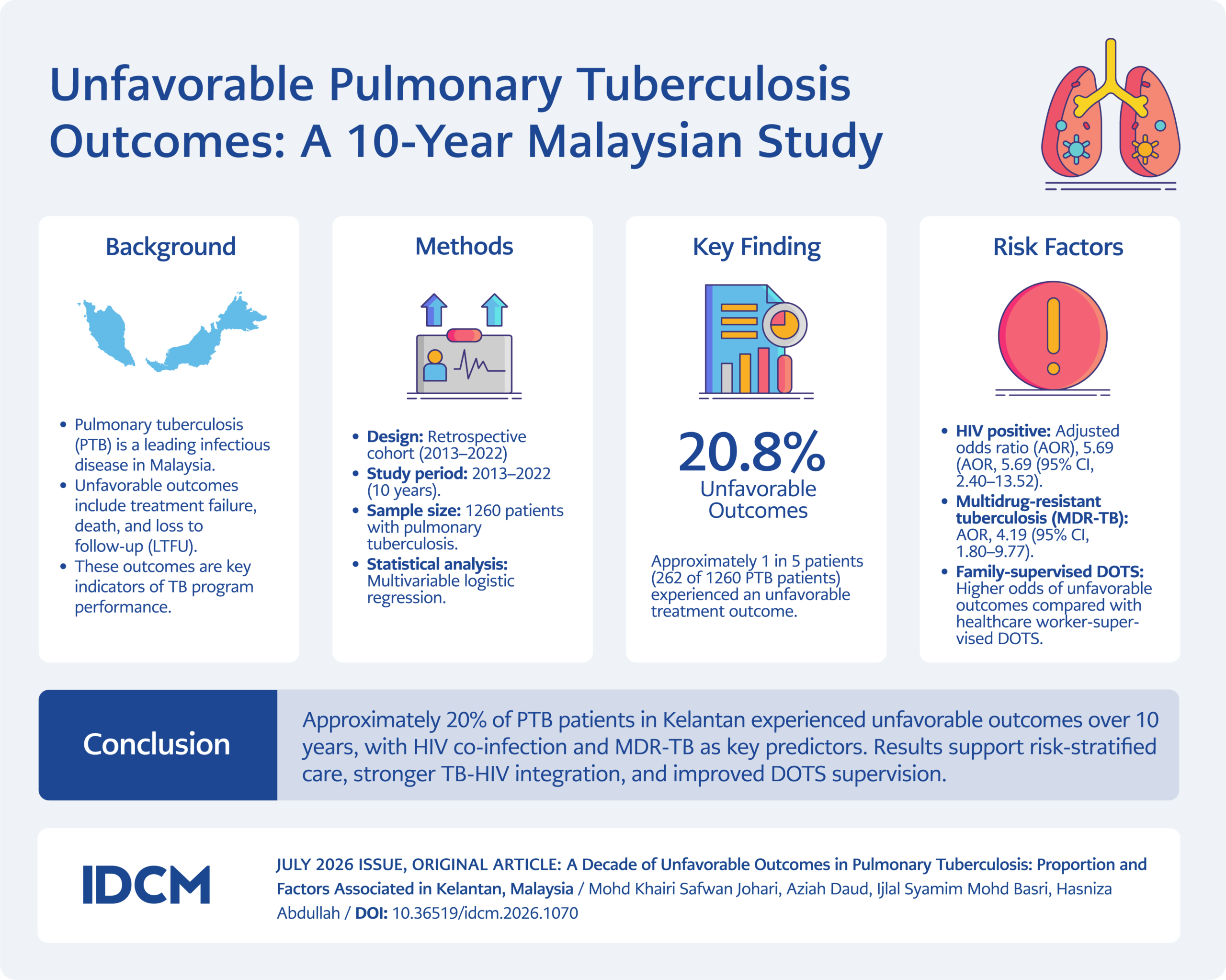
Graphical Abstract
Introduction
Tuberculosis (TB) remains a major global infectious disease and an important cause of preventable mortality. According to the World Health Organization (WHO) Global Tuberculosis Report 2025, an estimated 10.7 million people fell ill with TB in 2024, with approximately 1.23 million deaths globally, including 150,000 deaths among people living with HIV (1). Despite decades of global control efforts, TB continues to disproportionately affect low- and middle-income countries, where structural inequalities, limited healthcare access, and comorbid conditions sustain transmission and compromise treatment outcomes. The global TB response is guided by the WHO End TB Strategy (2015–2035), which targets a 90% reduction in TB deaths and an 80% reduction in TB incidence by 2030 compared with 2015 levels (2). Achieving these targets requires not only early case detection but also sustained treatment success rates exceeding 90% (3). However, treatment outcomes remain suboptimal in many settings, particularly among patients with HIV coinfection, multidrug-resistant TB (MDR-TB), and socioeconomic vulnerabilities (4).
Malaysia is classified as an intermediate-TB-burden country, with an estimated incidence of approximately 92–97 cases per 100,000 population in recent years and a treatment success rate of approximately 80–85%, slightly below the WHO target (5–7). Although Malaysia has a relatively strong healthcare infrastructure compared with many neighboring countries, TB control remains challenged by urban-rural disparities, migrant populations, and the growing prevalence of non-communicable comorbidities such as diabetes (8).
Unfavorable outcomes, comprising treatment failure, death, and loss to follow-up, are critical indicators of TB program performance because they prolong infectiousness, increase transmission, and drive the emergence of drug resistance, particularly through acquired resistance in patients lost to follow-up (9,10). Meta-analyses have identified HIV coinfection, advanced disease severity, drug resistance, older age, and socioeconomic disadvantage as predictors of poor outcomes (4,11). In particular, TB-HIV coinfection is associated with a three- to six-fold increased risk of mortality and treatment failure (12), while global MDR-TB treatment success rates remain around 60% (13).
Kelantan’s TB burden is shaped by its predominantly rural population, socioeconomic disparities, and barriers to healthcare access that may delay diagnosis and treatment initiation (7). Although national registry-based studies have described determinants of unfavorable outcomes in Malaysia, state-level analyses remain limited, particularly for the East Coast region (14–16). Therefore, this study aimed to determine the proportion of unfavorable outcomes and identify factors associated with these outcomes among PTB patients in Kelantan between 2013 and 2022. We hypothesized that HIV coinfection, MDR-TB, and socioeconomic disadvantage would significantly increase the risk of unfavorable outcomes, with impacts expected to exceed national averages given the region’s rural and economic conditions (17).
Materials and Methods
This retrospective, registry-based cohort study was conducted using routinely collected data from the National Tuberculosis Registry (NTBR) in Kelantan, Malaysia, covering the period from 1 January 2013 to 31 December 2022.
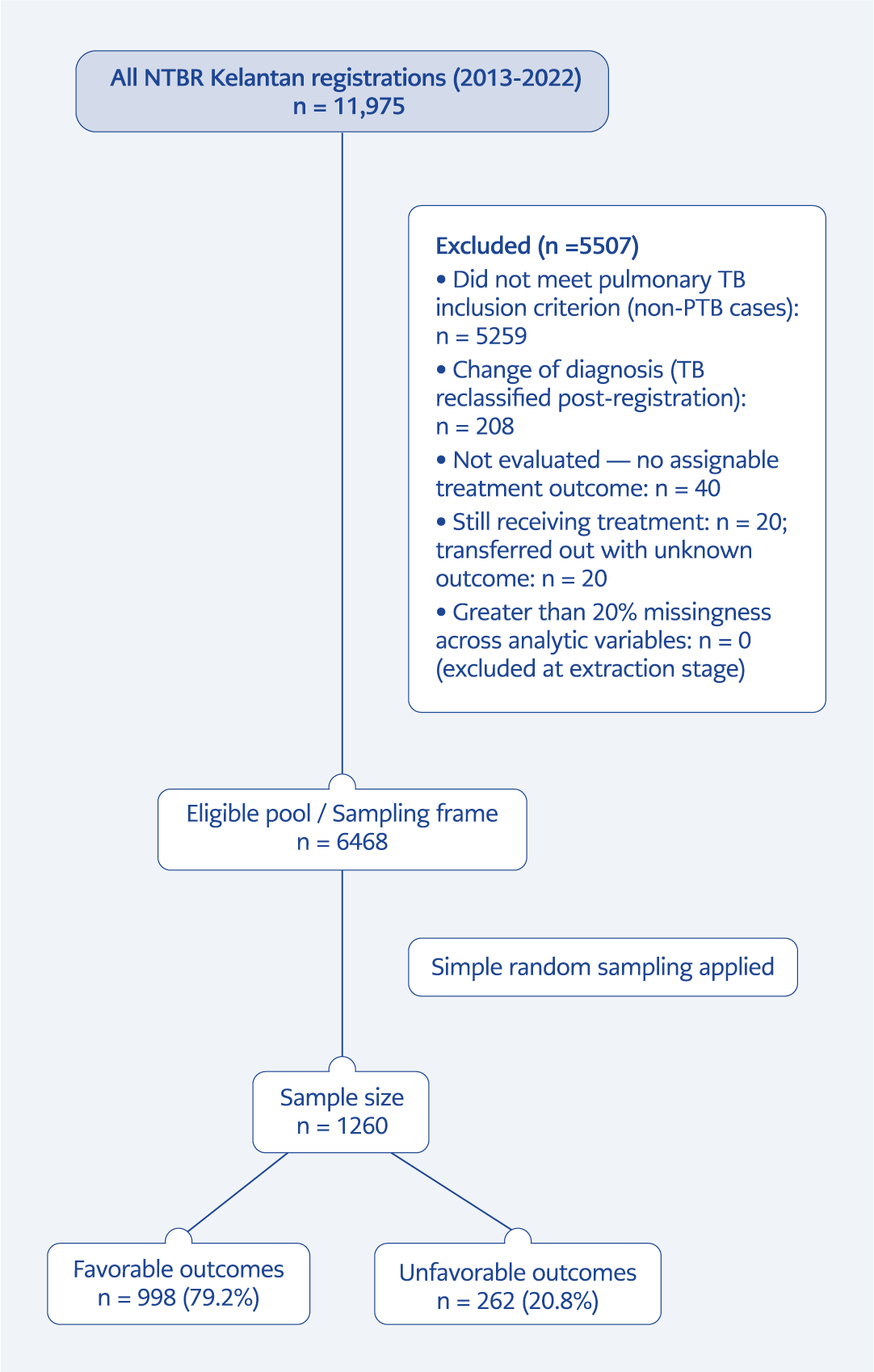
Figure 1. Flow diagram of patient selection from the National Tuberculosis Registry, Kelantan, Malaysia (2013–2022).
The source population comprised all notified and registered pulmonary tuberculosis (PTB) cases in Kelantan during the study period. Eligible records were identified after excluding cases with a revised diagnosis, cases recorded as “not evaluated” (i.e., without an assignable treatment outcome), and records with more than 20% missing data across the predefined analytic variables, including sociodemographic characteristics, comorbidity indicators, clinical characteristics, directly observed treatment, short-course (DOTS) supervision, and outcome variables. Missingness was assessed at the record level by calculating the proportion of missing entries across all study variables for each patient. Records exceeding this threshold were excluded to reduce bias arising from incomplete registry records and to preserve interpretability of the regression estimates.
From the eligible registry pool, a simple random sample was selected to achieve the planned analytic sample size. Sampling was performed by generating a random number for each eligible record, sorting the records in ascending order, and selecting the first record until the required sample size was reached.
The study was conducted in accordance with the Declaration of Helsinki and was approved by the Human Research Ethics Committee, Universiti Sains Malaysia (USM/JEPeM/KK/23110862), and the Medical Research and Ethics Committee, Ministry of Health Malaysia (NMRR ID-23-03575-SDH[IIR]). Access to the National Tuberculosis Registry (NTBR) data was granted by the Tuberculosis and Leprosy Unit, Kelantan State Health Department, under an institutional data access arrangement approved by the Ministry of Health Malaysia. Permission to access and publish findings derived from this registry was granted by the Director General of Health Malaysia. The dataset used for analysis comprised deidentified records and did not contain any directly identifiable personal information.
Outcome and Variables
The primary outcome was an unfavorable treatment outcome, defined according to the WHO standard TB outcome definitions (18). Unfavorable outcomes comprised treatment failure, death, or loss to follow-up, whereas favorable outcomes comprised cure or treatment completion. According to the WHO, loss to follow-up is defined as a patient who does not start treatment or whose treatment is interrupted for at least two consecutive months. The WHO also provides standardized definitions for cure, treatment completion, and treatment failure, enabling comparability across settings and registry-based evaluations.
Predictors were specified a priori based on biological plausibility and prior registry-based evidence on determinants of TB treatment outcomes and were restricted to variables routinely and consistently captured in the NTBR to minimize measurement heterogeneity. The explanatory variables comprised sociodemographic characteristics (age [years], sex, nationality, district, place of residence [urban/rural], highest education level, and occupation), comorbidity indicators available in the registry (HIV status and smoking status), and baseline clinical characteristics (presence of a Bacillus Calmette-Guérin [BCG] scar, sputum smear result, sputum culture result, chest radiograph severity category, and drug resistance status, including multidrug-resistant/rifampicin-resistant tuberculosis [MDR/RR-TB], where available). In addition, DOTS supervision type (e.g., healthcare worker vs. family member) was included as a key programmatic variable because of its potential influence on treatment adherence and continuity of care. All variables were coded with clearly defined reference categories before modeling. Where categorical predictors had multiple levels, categories were retained only when clinically meaningful and sufficiently populated to minimize sparse-data bias and unstable estimates.
Prior to analysis, the dataset underwent structured data quality checks for continuous variables, frequency checks for categorical variables, verification of implausible combinations (e.g., incompatible test results), and assessment of missingness patterns by key predictors and the outcome.
Statistical Analysis
The target sample size was determined to estimate the proportion of unfavorable outcomes with adequate precision using the standard single-proportion formula, where P represents the expected proportion of unfavorable outcomes, d is the absolute precision, and Z corresponds to the desired confidence level (19). The expected proportion was informed by Malaysian registry-based evidence, and the calculated sample size was inflated to account for incomplete registry records, resulting in a final target of 1260 participants. Considerations for selecting P and d in prevalence-based sample size estimation have been described by Naing et al. (20). As the analysis also included multivariable logistic regression, the number of candidate predictors retained in the final model was guided by the events-per-variable principle to minimize overfitting and ensure stable coefficient estimates (21).
Continuous variables were summarized as mean (standard deviation [SD]) for normally distributed data and median (interquartile range [IQR]) for non-normally distributed data. Categorical variables were summarized as frequencies and percentages.
Associations between predictors and unfavorable outcomes were evaluated using univariable and multivariable logistic regression. Variables with p-values < 0.25 in the univariable analysis or with strong a priori clinical relevance were entered into the multivariable model using the purposeful selection approach recommended by Hosmer, Lemeshow, and Sturdivant (22,23), because using the conventional threshold of p < 0.05 during variable screening may prematurely exclude important predictors or confounders. The final multivariable model was constructed using the backward likelihood-ratio method under clinical oversight. Predictors that remained statistically significant (p < 0.05) or materially confounded key associations were retained. Adjusted odds ratios (AORs) with corresponding 95% confidence intervals (CIs) were reported for all variables included in the final model.
Results
A total of 11,975 patients were reported and registered in the NTBR for Kelantan from 1 January 2013 to 31 December 2022. Of these, 5507 records were excluded: patients with a subsequent change of diagnosis were removed, those recorded as “not evaluated” were excluded, and records with more than 20% missingness across the predefined analytic variables were excluded to reduce bias. This yielded an eligible pool of 6468 PTB patients that served as the sampling frame. In a simple random sampling, 1260 patients diagnosed with PTB were included in the final analysis, representing a sampling fraction of 19.5% of the eligible population.
Sociodemographic and Clinical Characteristics
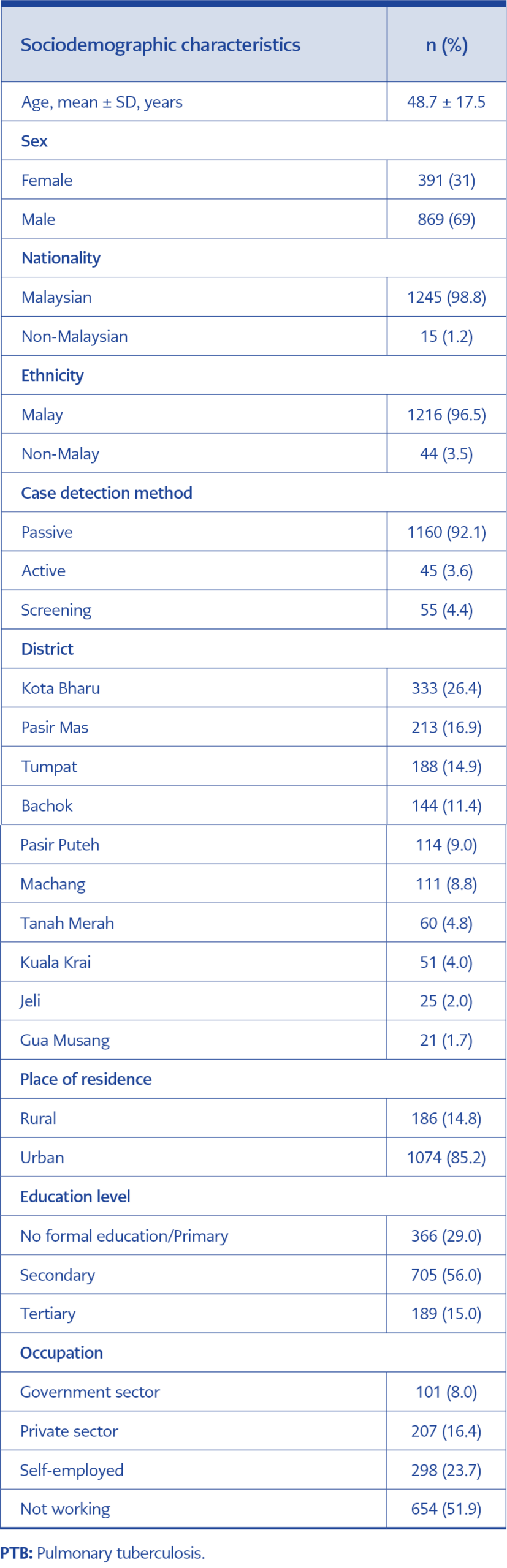
Table 1. Sociodemographic characteristics of pulmonary tuberculosis (PTB) patients in Kelantan, Malaysia (n = 1260).
The mean age of the 1260 patients was 48.71 years (SD ± 17.46; median, 49.0; range, 1–93 years). The majority were male (n = 869, 69.0%), Malaysian (n = 1245, 98.8%), and Malay (n = 1216, 96.5%). The highest proportions of patients were from Kota Bharu (26.4%), Pasir Mas (16.9%), and Tumpat (14.9%). Most resided in urban areas (n = 1074, 85.2%), had secondary-level education (n = 705, 56.0%), and were self-employed (n = 298, 23.7%). Full sociodemographic characteristics are presented in Table 1.
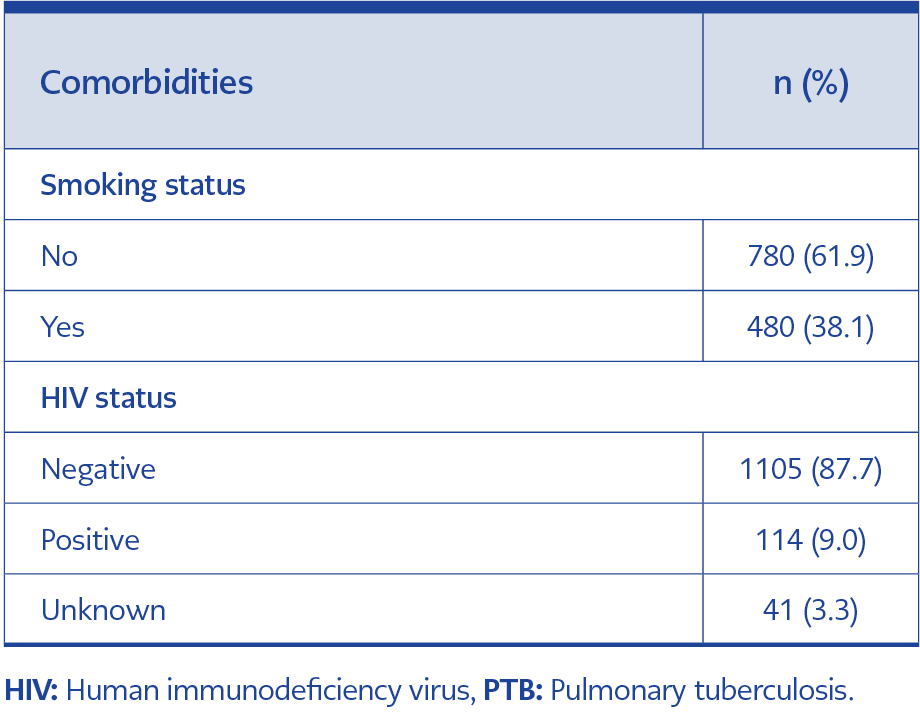
Table 2. Comorbidity characteristics of patients with pulmonary tuberculosis (PTB) in Kelantan, Malaysia (n = 1260).
Regarding comorbidities, 480 patients (38.1%) were smokers, whereas 780 (61.9%) were non-smokers. Regarding HIV status, 1105 patients (87.7%) were HIV-negative, 114 (9.0%) were HIV-positive, and 41 (3.3%) had unknown HIV status. Comorbidity characteristics are presented in Table 2.
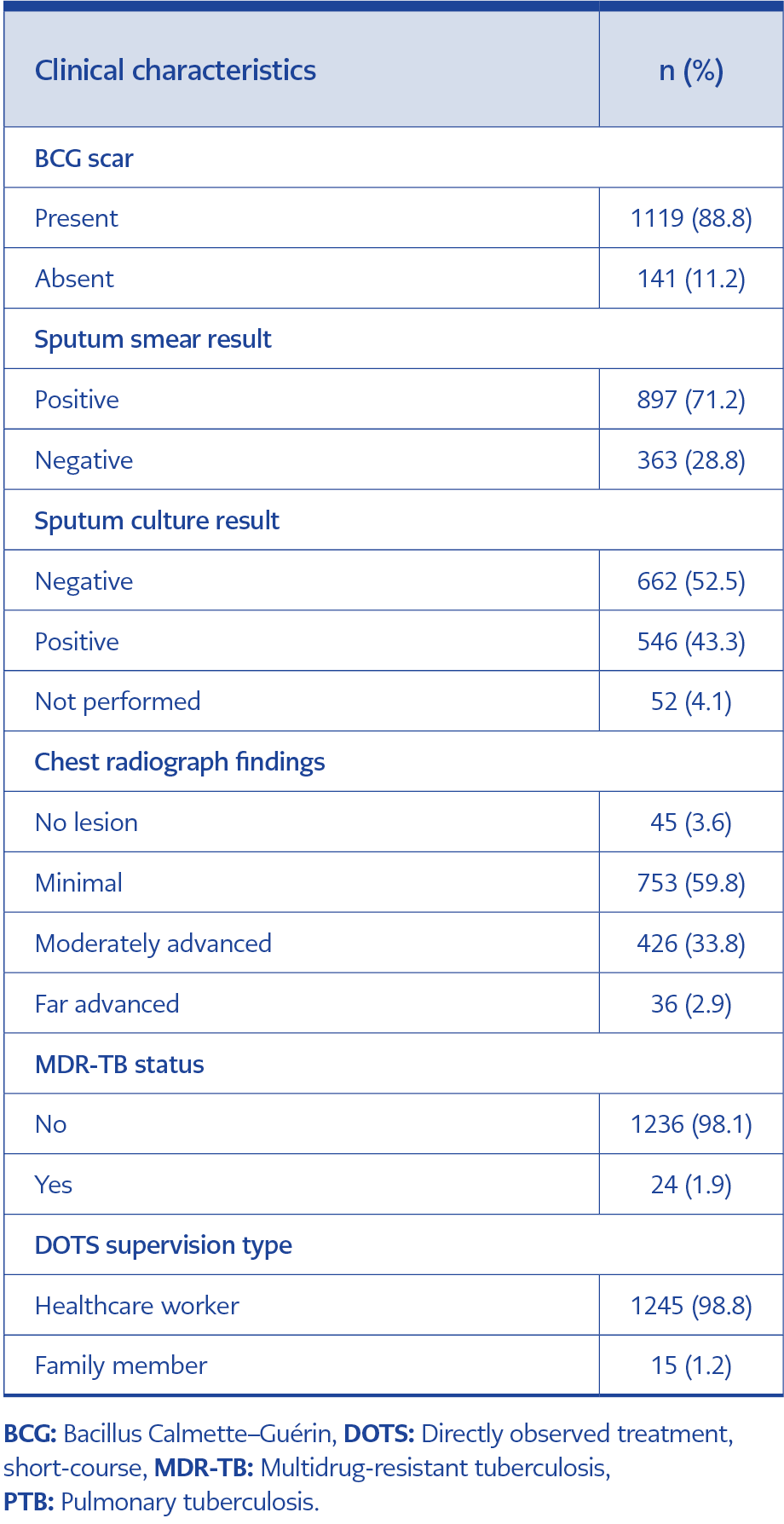
Table 3. Clinical characteristics of patients with PTB in Kelantan, Malaysia (n = 1260).
Smear positivity was recorded in 71.2% of patients, sputum culture was positive in 43.3%, and a BCG scar was present in 88.8%. Chest radiograph findings were predominantly minimal (59.8%), followed by moderately advanced (33.8%), no lesion (3.6%), and far advanced (2.9%). MDR-TB was identified in 1.9% of patients, and 98.8% received DOTS supervision from healthcare workers. Clinical characteristics are detailed in Table 3.
Proportion of Unfavorable Outcomes among PTB Patients
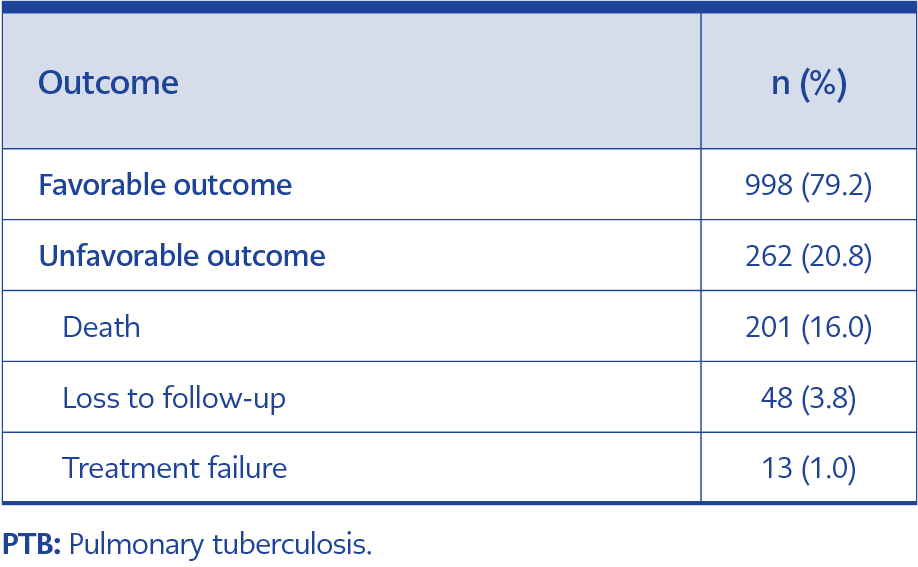
Table 4. Treatment outcomes among patients with PTB in Kela<ntan, Malaysia (n = 1260).
The study found that 20.8% (n = 262) of PTB patients experienced unfavorable treatment outcomes, while 79.2% (n = 998) achieved favorable outcomes. Of the 262 unfavorable outcomes, death was the predominant subtype, accounting for 201 cases (76.7% of all unfavorable outcomes; 16.0% of the total sample). Loss to follow-up accounted for 48 cases (18.3% of unfavorable outcomes; 3.8% of the total sample), while treatment failure accounted for the remaining 13 cases (5.0% of unfavorable outcomes; 1.0% of the total sample). Detailed figures are presented in Table 4.
Factors Associated with Unfavorable Outcomes among PTB Patients
Univariable logistic regression identified variables with p < 0.25, including age, nationality, case detection method, education level, occupation, chest radiograph findings, MDR status, DOTS supervision, and HIV status, for inclusion in the multivariable modeling. Notably, HIV-positive patients experienced unfavorable outcomes at more than three times the rate of HIV-negative patients (54.4% vs. 17.8%; crude OR 5.49; p < 0.001).
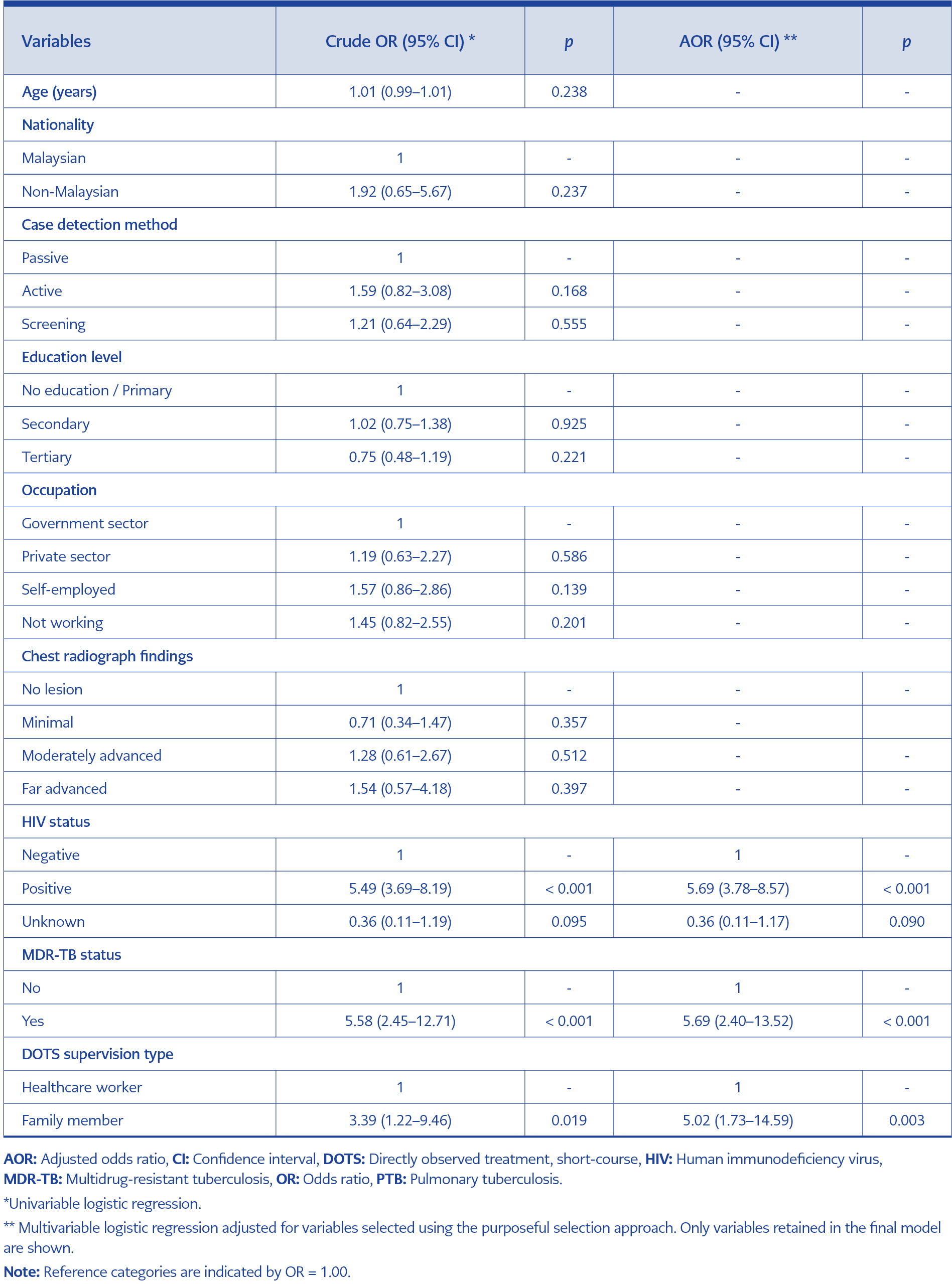
Table 5. Factors associated with unfavorable treatment outcomes among patients with PTB in Kelantan, Malaysia: univariable and multivariable logistic regression analyses (n = 1260).
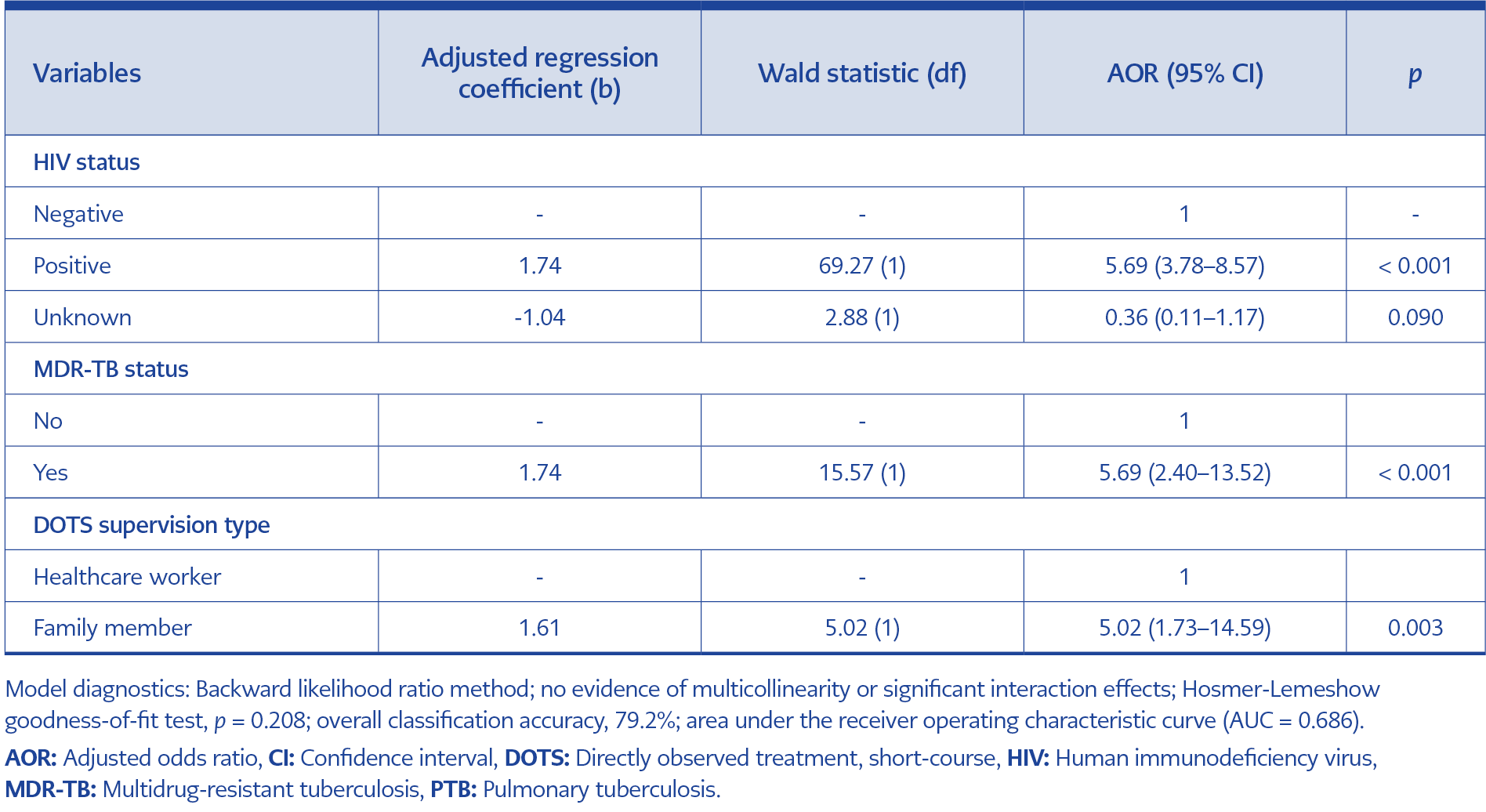
Table 6. Final multivariable logistic regression model of factors associated with unfavorable treatment outcomes among patients with PTB in Kelantan, Malaysia (n = 1260).
The final multivariable model identified three independent predictors of unfavorable outcomes. HIV-positive patients had significantly higher odds compared to HIV-negative patients (AOR 5.69; 95% CI 3.78–8.57; p < 0.001), while unknown HIV status showed no significant association (AOR 0.36; 95% CI 0.11–1.17; p = 0.090). MDR-TB was also independently associated with markedly higher odds (AOR 5.69; 95% CI 2.40–13.52; p < 0.001). Compared with healthcare worker-supervised DOTS, family-supervised DOTS was associated with significantly higher odds of unfavorable outcomes (AOR 5.02; 95% CI 1.73–14.59; p = 0.003). The model showed no evidence of multicollinearity or significant interactions, demonstrated acceptable calibration (Hosmer-Lemeshow goodness-of-fit test, p = 0.208), correctly classified 79.2% of cases, and achieved an area under the receiver operating characteristic curve (AUC) of 68.6%. Full results are presented in Tables 5 and 6.
Discussion
Main Findings
The proportion of unfavorable outcomes was 20.8%, broadly comparable to other Malaysian registry-based studies reporting 19% to 22% (14–16), likely reflecting standardized TB management protocols and harmonized outcome definitions across Malaysia (5,18). Nevertheless, a one-in-five unfavorable rate represents a persistent gap in the TB care cascade, with implications for continued transmission, avoidable mortality, and the emergence of drug resistance (2,3). Descriptive findings from the present study suggest that additional clinical factors may have contributed to these outcomes. Patients with far-advanced chest radiograph findings had an unfavorable outcome rate of 39.8%, consistent with delayed diagnosis and advanced disease at presentation. Death occurred in 32.5% of HIV-positive cases, which may be partly attributable to immune reconstitution inflammatory syndrome (IRIS) and drug-drug interactions between rifampicin-based regimens and antiretroviral therapy. Among MDR-TB patients, high pill burden and drug toxicity may have further compromised adherence, as reflected by the 58.3% unfavorable outcome rate observed in this subgroup.
After adjustment, three factors remained independently associated with unfavorable outcomes: HIV positivity, MDR-TB status, and family-supervised DOTS, consistent with prior evidence that poor outcomes cluster among patients with immunosuppression, drug resistance, and adherence-related vulnerabilities (4,24,25). The AUC of 0.686 indicates modest discrimination, suggesting that additional unmeasured factors, including household income, nutritional status, comorbid diabetes mellitus, alcohol use, and detailed adherence patterns, may have contributed to the observed variation in treatment outcomes. Diabetes mellitus, in particular, impairs cellular immunity and delays sputum conversion (26), but these variables were not available in the NTBR and therefore could not be included in the model.
HIV Coinfection
HIV positivity was strongly associated with unfavorable outcomes in the present study. This is consistent with existing literature showing higher risks of mortality and treatment failure among TB-HIV coinfected patients due to impaired cellular immunity, greater frequency of disseminated disease, atypical presentation, and competing risks from opportunistic infections (4,27). The overall proportion of unfavorable outcomes in the present study was lower than that reported in a Kuala Lumpur cohort restricted to TB-HIV-coinfected patients, as expected, because the present sample represented the general PTB population rather than a high-risk coinfected subgroup (28). From a programmatic perspective, this finding supports closer integration of TB and HIV services, including timely HIV testing, early linkage to antiretroviral therapy, and active monitoring of treatment complexity in coinfected patients (29).
MDR-TB
MDR-TB was associated with markedly increased odds of unfavorable outcomes. MDR-TB requires prolonged treatment with multiple second-line drugs, which are associated with greater toxicity and require more intensive monitoring, thereby increasing the risk of treatment interruption, adverse events, and poor adherence (24,25). Global and regional analyses have consistently highlighted the persistent burden and inequities of MDR-TB, including elevated mortality and substantial disability (30). Although MDR-TB affected only 1.9% of the study population, the large effect size underscores its disproportionate clinical importance, despite the limited precision associated with the small subgroup. These findings support prioritized management, including rapid drug-resistance detection, early initiation of effective treatment, and closer follow-up throughout treatment (29).
DOTS Supervision
Family-supervised DOTS was independently associated with higher odds of unfavorable outcomes compared with healthcare worker supervision. This association should be interpreted cautiously, as it may reflect selection bias whereby patients at higher risk of non-adherence or with access barriers are preferentially assigned family supervision, rather than a direct effect of supervision quality. While family-based DOTS reduces travel burden and improves flexibility, it may introduce variability in dose observation, documentation, and recognition of adverse effects (5). Evidence syntheses suggest that DOTS does not uniformly outperform self-administered therapy and that its effectiveness depends heavily on implementation quality and patient-centered support (25,31). These findings should therefore be interpreted as a signal to strengthen competency, accountability, and support systems for non-professional supervisors through structured training, periodic verification by healthcare staff, and clear escalation pathways for missed doses or adverse effects.
This study has several strengths. The analytic sample of 1260 patients drawn from 6468 eligible registry records provides substantial statistical power and broad representativeness across all districts of Kelantan under routine programmatic conditions. The decade-long period (2013–2022) supports stable multivariable estimates and captures contemporary programmatic practice, while the statewide registry design enhances external validity, and standardized WHO-aligned outcome definitions ensure comparability with other registry-based studies (5,18). However, several limitations should be acknowledged. The reliance on secondary registry data may have introduced misclassification, and important confounders, including diabetes, undernutrition, and socioeconomic indicators, were unavailable. Using a random sample rather than the full eligible cohort may have reduced precision, and the logistic regression analysis did not account for time-to-event or competing-risk dynamics, which future survival analyses could address.
Despite these limitations, the findings have direct implications for TB control in Kelantan. Patients with HIV infection and MDR-TB warrant closer monitoring and differentiated support. For DOTS, the emphasis should extend beyond supervisor type to supervisor capacity, including structured training, verification, and practical support for family supervisors. These targeted approaches are consistent with patient-centered TB care and may help improve treatment success in Kelantan and similar settings (2,17).
Conclusion
To improve treatment outcomes among PTB patients in Kelantan, public health interventions should prioritize support for patients with HIV infection and MDR-TB, while strengthening the training, support, and monitoring of DOTS supervision. Targeted efforts focused on these high-risk groups may help reduce the incidence of unfavorable outcomes and strengthen TB control efforts in the state. Overall, the study’s findings provide evidence to support refining TB treatment strategies in Kelantan, particularly through risk-targeted interventions.