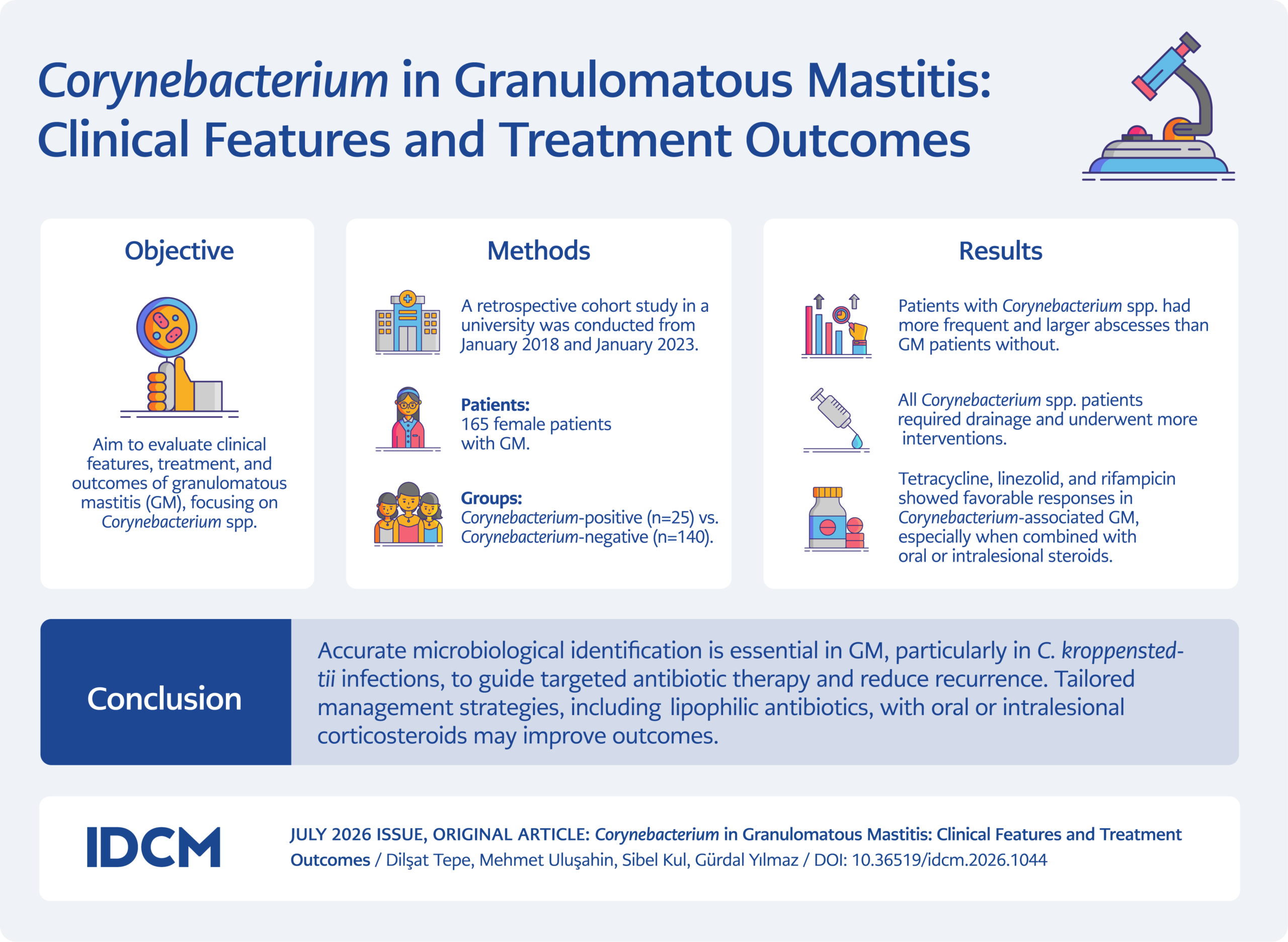
Graphical Abstract
Introduction
Granulomatous mastitis (GM) is a rare inflammatory disease of the breast. Lactation disorders resulting in milk stasis, hyperprolactinemia, and blunt trauma to the breast are recognized predisposing factors for GM (1). Radiological imaging, core needle biopsy with histopathology, or fine-needle aspiration cytology can be used to diagnose GM. Gram-positive microorganisms, commonly part of the skin flora, are frequently isolated from the biopsy cultures of patients with GM (1).
Historically, Corynebacterium spp. were considered contaminants in clinical samples. However, advancements in microbiological identification techniques have established their role in breast abscesses and granulomatous mastitis, particularly that of Corynebacterium kroppenstedtii, which is often associated with recurrence (2,3). Corynebacterium species are Gram-positive, catalase-positive, facultative anaerobic, nonmotile, rod-shaped bacteria. Unlike most other Corynebacterium species, C. kroppenstedtii lacks mycolic acids in its cell envelope, making it dependent on a lipophilic environment for optimal growth (4). Lipid-rich breast tissue provides an ideal environment for C. kroppenstedtii to establish granulomas and abscesses.
Treatment options for GM include surgical resection, abscess drainage, antimicrobial therapy, steroids, and clinical observation (5–8). However, no consensus exists regarding the management of GM caused by C. kroppenstedtii. Despite numerous studies, there remains a lack of agreement regarding surgical interventions, the use of steroids, and the optimal dosing and duration of antibiotic treatment (2–9). In this context, a better understanding of the role of Corynebacterium spp. in GM may help clarify existing uncertainties in diagnosis and management.
This study investigated the clinical manifestations, treatment approaches, and outcomes of patients with GM caused by Corynebacterium spp., compared with those without Corynebacterium spp. Understanding these differences is important for optimizing diagnostic accuracy, guiding targeted antimicrobial therapy, and reducing recurrence rates, particularly given the increasing recognition of C. kroppenstedtii as a potential pathogen in GM.
Materials and Methods
Study Design
The study included female patients aged ≥18 years who were diagnosed with GM by breast ultrasound (US) imaging and were referred from outpatient clinics to the radiology breast imaging unit between January 2018 and January 2023. Ultrasonography is recommended as the primary diagnostic tool for GM, biopsy guidance, and monitoring of disease remission or progression (5). Biopsy was performed in patients with clinical or radiological suspicion of malignancy as part of the diagnostic work-up. Pregnant individuals, patients with lactational mastitis, those with culture-positive tuberculosis, or biopsy-confirmed cancer were excluded. All patients were followed up for at least one year. Medical records were retrospectively retrieved from the hospital’s electronic database. Collected data included patient demographics, medical history, radiological findings, culture results, treatment modalities (immunosuppressive therapy, antimicrobial therapies, and surgical interventions), and outcomes.
Body mass index (BMI) was classified as underweight (<18.5 kg/m²), normal weight (18.5 to 24.9 kg/m²), pre-obesity (25 to 29.9 kg/m²), or obesity (≥30 kg/m²) based on World Health Organization (WHO) criteria (10). The Breast Imaging Reporting and Data System (BI-RADS) classification was used for US evaluation (11). The diameter of the abscess identified on the initial US examination was taken into account. In patients with multiple abscesses, the largest abscess diameter was recorded. Lesion locations were categorized by breast quadrant, and lesions spanning multiple quadrants were classified accordingly. Microbiological cultures were performed in 74 patients. Patients were classified into GM with Corynebacterium spp. and GM without Corynebacterium spp. based on available microbiological data.
Treatment Strategies
After abscess drainage, empirical antimicrobial therapy was adjusted according to culture results. Tuberculosis PCR, Ziehl-Neelsen staining, tuberculosis culture, and routine culture were conducted for all patients. Tru-cut biopsy was performed when necessary to confirm the diagnosis.
Oral steroid doses (dexamethasone) ranged from 4 to 16 mg twice daily, with treatment durations varying from 1 to 3 months. Intralesional steroid treatment (40 mg triamcinolone acetonide) was administered under US guidance and repeated as needed. Segmental mastectomy was performed in treatment-resistant cases.
The outcomes were categorized as follows: recovered, defined as the absence of residual lesions clinically and on ultrasonography on at least one occasion; regression, indicating a decrease in lesion size; stable disease, representing no change in lesion size or clinical symptoms; progression, characterized by an increase in lesion size or worsening clinical symptoms despite treatment; and recurrence, defined as disease recurrence after remission based on clinical and radiological findings. Recovery and regression were considered treatment responses.
Microbiological Methods
Clinical specimens were cultured on 5% sheep blood agar plates (BAP) (Salubris Biotechnology Products, İstanbul, Türkiye) and incubated at 35 °C for 5 days. Colonies growing on the plate were identified using matrix-assisted laser desorption/ionization time-of-flight mass spectrometry (MALDI-TOF MS) (Bruker Daltonik GmbH, Leipzig, Germany) along with conventional methods.
In accordance with the European Committee on Antimicrobial Susceptibility Testing (EUCAST) recommendations, penicillin, ciprofloxacin, gentamicin, clindamycin, tetracycline, rifampin, vancomycin, and linezolid antimicrobial disks were placed on Mueller-Hinton Fastidious agar (Becton-Dickinson, Heidelberg, Germany) using the Kirby-Bauer disk diffusion method (Bioanalyse, Ankara, Türkiye). Zone diameter measurements were interpreted according to EUCAST breakpoint criteria (12).
The study was approved by the Karadeniz Technical University School of Medicine Clinical Research Ethics Committee (Approval No. 2023-12, June 2023).
Statistical Analysis
Continuous variables were reported as median (interquartile range [IQR]), and categorical variables were expressed as numbers or percentages. Normality of continuous data was assessed using the Shapiro-Wilk test. Categorical differences were assessed using the chi-square test, while the Mann-Whitney U test was applied to continuous variables. Binary logistic regression analysis was performed to evaluate the association between treatment modalities and clinical outcomes. The treatment variables included in the model were: antimicrobial therapy alone, antimicrobial therapy combined with oral corticosteroids, antimicrobial therapy combined with intralesional corticosteroids, and mastectomy. Statistical significance was set at p < 0.05. Analyses were conducted using IBM SPSS Statistics for Windows, version 23.0 (IBM Corp., Armonk, NY, USA).
Results
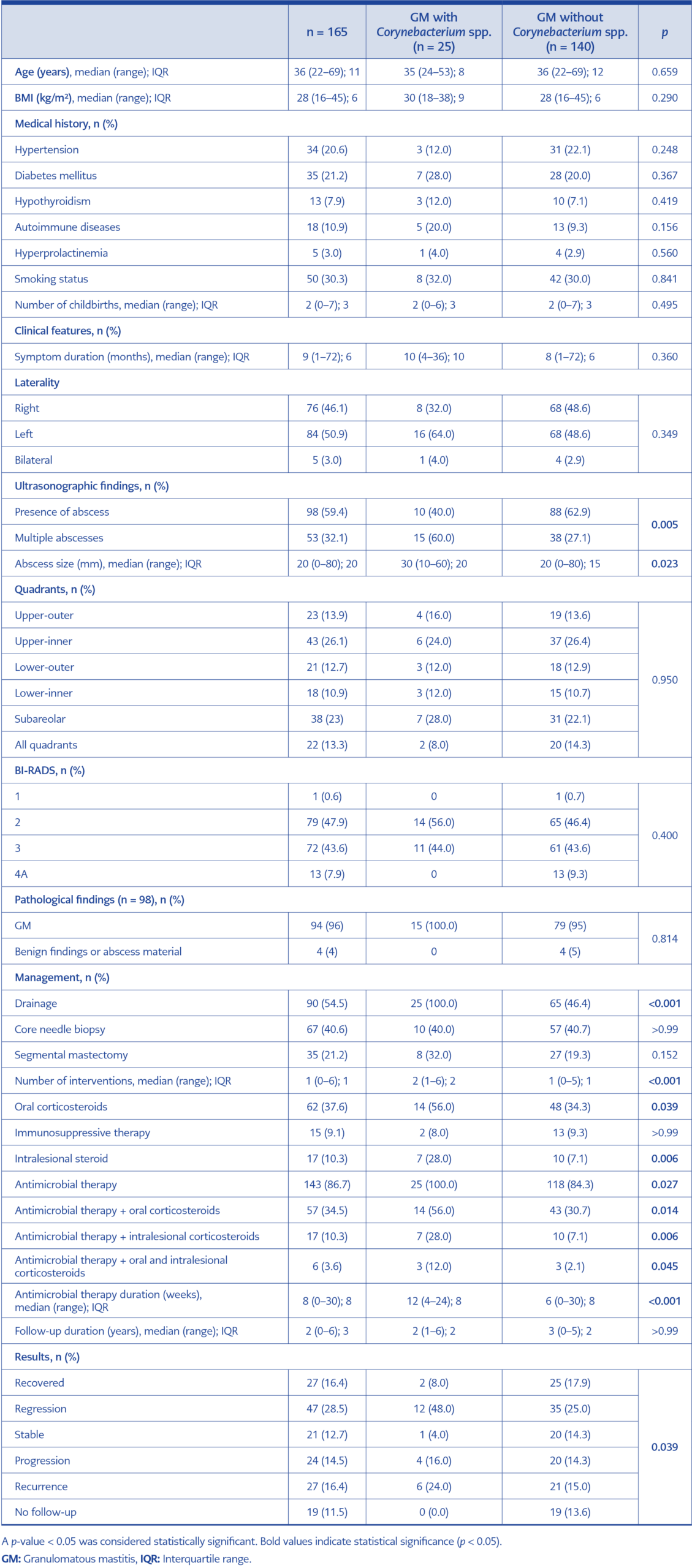
Table 1. Patient demographics, clinical features, management, and outcomes.
Of the 173 female patients initially enrolled, eight were excluded due to biopsy-confirmed cancer, leaving 165 patients for analysis. The median age at presentation was 36 years (range, 22 to 69 years, IQR = 11). Corynebacterium spp. were detected in 25 patients (15.15%); among these, 14 patients (8.48%) had C. kroppenstedtii, and 140 patients had GM without Corynebacterium spp. The patients’ demographic data, medical history, clinical features, US findings, management, and outcomes are presented in Table 1.
Most patients were in the pre-obesity or obesity group (72%). Breastfeeding history was reported in 76.9% (n = 127) of patients, whereas 23% (n = 38) were nulliparous. No significant differences in comorbidities or smoking status were observed between the groups. The median symptom duration was 9 months (IQR = 6). Patients with Corynebacterium spp. had one or more abscesses (n = 25; p = 0.030) and larger abscesses than patients with GM without Corynebacterium spp. (median, 30 mm vs 20 mm; p = 0.023) (Table 1).
The median follow-up duration was 2 years (range, 0 to 6 years; IQR = 3). Nineteen patients (11.5%) were lost to follow-up. Among the 165 patients, diagnostic or therapeutic interventions were performed in 133 (80.0%) cases: 90 (54.5%) underwent drainage, 67 (40.6%) underwent core needle biopsy, and 35 (21.2%) underwent segmental mastectomy. All patients with Corynebacterium spp. underwent drainage, and the number of interventions was significantly higher in this group (median = 2; range, 1–6; IQR = 2; p < 0.001).
Antibiotics were administered to 143 patients, including quinolones (n = 60, 36.4%), beta-lactam/beta-lactamase inhibitor combinations (n = 39, 23.6%), third-generation cephalosporins (n = 37, 22.4%), metronidazole (n = 36, 21.8%), fusidic acid (n = 30, 18.2%), tetracyclines (n = 12, 7.3%), clindamycin (n = 8, 4.8%), linezolid (n = 6, 3.6%), and rifampin (n = 4, 2.4%), administered orally, with a median treatment duration of 8 weeks (range, 0 to 30 weeks; IQR = 8). The duration of antimicrobial therapy was longer in patients with GM associated with Corynebacterium spp. (median, 12 weeks; IQR = 8; p < 0.001).
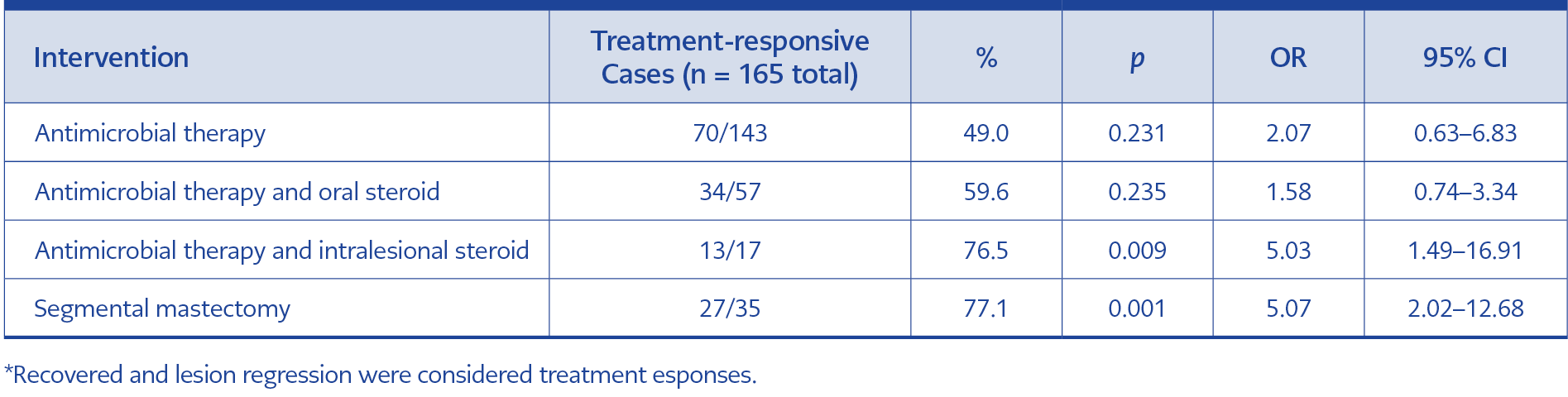
Table 2. Association between treatment modalities and treatment response according to binary logistic regression. *
Among the cohort, 62 patients received oral steroid therapy, whereas 17 patients received intralesional steroid treatment. The number of intralesional steroid applications ranged from 1 to 4 times during the follow-up period, depending on lesion size. Among the treatment modalities, antimicrobial therapy combined with intralesional steroids (p = 0.009; odds ratio [OR] = 5.03) and segmental mastectomy (p = 0.001; OR = 5.07) were associated with improved treatment response, as defined by recovery or lesion regression without recurrence
(Table 2).
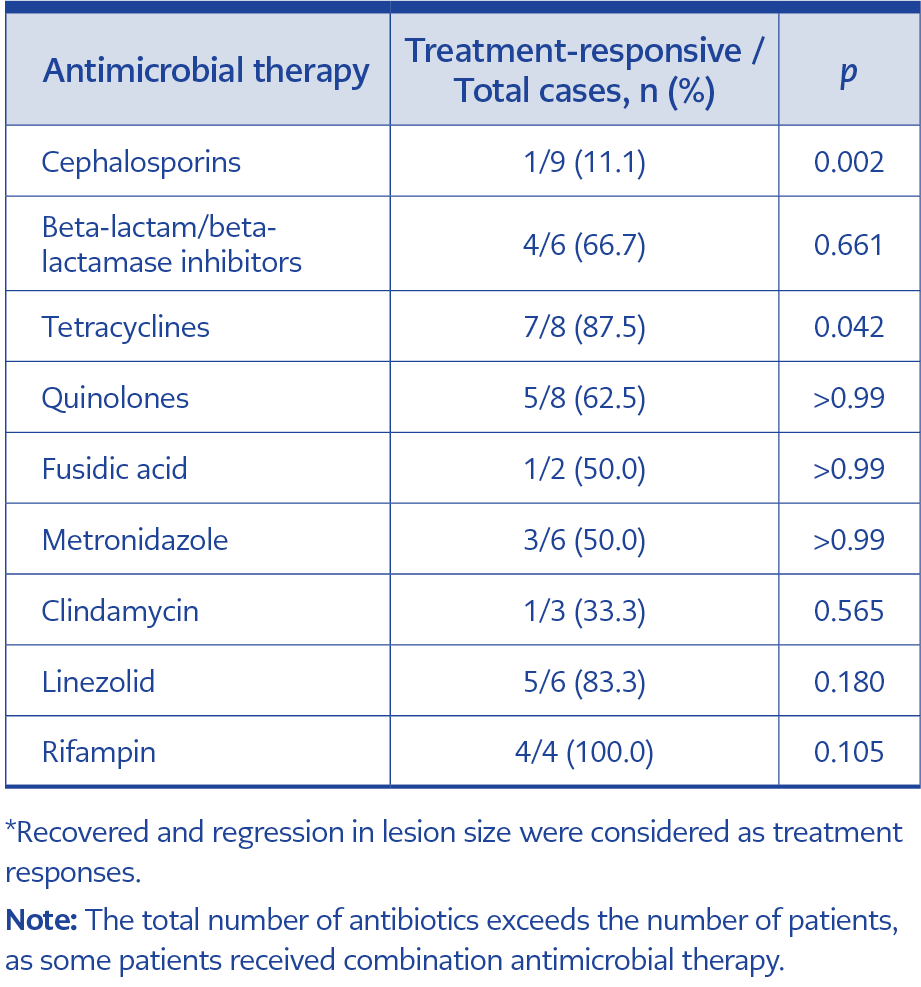
Table 3. Association between antimicrobial therapy and treatment response* in patients with Corynebacterium spp. (n = 25).
Among patients with GM and positive cultures for Corynebacterium spp. (n = 25), those who were treated with tetracycline (7/8, 87.5%) or linezolid (5/6, 83.3%), as well as all patients treated with rifampin (4/4, 100.0%), were classified as treatment-responders. However, a statistically significant difference was observed for tetracycline. Notably, cephalosporin use was associated with a significantly lower response rate (1/9, 11.1%) compared to other antibiotic groups (p = 0.002) (Table 3).
Among patients with Corynebacterium spp. treated with antimicrobial therapy and intralesional steroids, 6 of 7 patients (85.7%) either recovered or showed regression in lesion size. Similarly, among the 14 patients with C. kroppenstedtii, although the findings were not statistically significant, seven either recovered or demonstrated lesion regression after receiving tetracycline, linezolid, or clindamycin in combination with either intralesional steroids (n = 5) or oral steroids (n = 2). Conversely, patients in the stable, progression, and recurrence groups also received oral steroids (n = 5), but these were combined with quinolone or beta-lactam therapy.
Cultures were obtained from 74 patients: Corynebacterium kroppenstedtii (n = 14), Corynebacterium afermentans (n = 4), Corynebacterium amycolatum (n = 3), Corynebacterium tuberculostearicum (n = 1), Corynebacterium spp. (n = 3), coagulase-negative staphylococci(n = 6), while 43 patients yielded negative cultures. Notably, only three of these samples were transported to the laboratory using blood culture vials, all of which yielded C. kroppenstedtii.
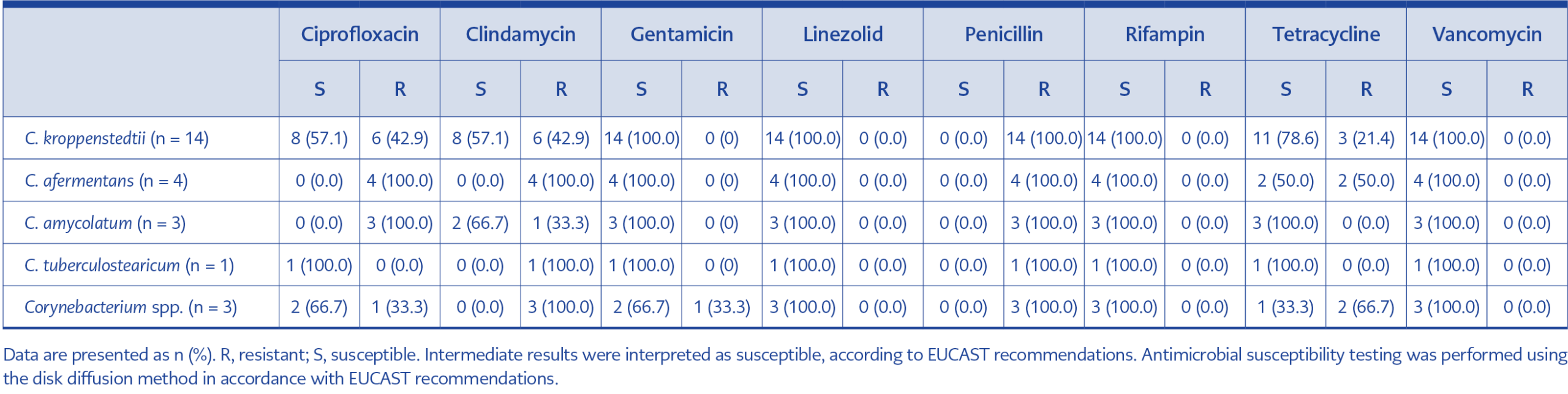
Table 4. Antibiotic susceptibility of Corynebacterium species.
Antibiotic susceptibility of Corynebacterium species is presented in Table 4.
All Corynebacterium species were resistant to penicillin but susceptible to linezolid, rifampin, and vancomycin. All C. kroppenstedtii strains were sensitive to gentamicin, linezolid, rifampin, and vancomycin. Nearly half of C. kroppenstedtii isolates (n = 6), all Corynebacterium afermentans (n = 4), and Corynebacterium amycolatum (n = 3) were resistant to ciprofloxacin.
Recurrence occurred in 27 (16.4%) patients, with 25 (15.1%) experiencing recurrence in the same breast and 2 (1.2%) on the opposite side. In eight patients, recurrence was observed after segmental mastectomy. The median recurrence period was two years (range, 1 to 6 years; IQR = 2). Recurrence was significantly associated with longer symptom duration (p < 0.001). No significant relationship was observed between recurrence and isolation of either Corynebacterium spp. (p = 0.253) or C. kroppenstedtii (p = 0.704). There was no statistically significant association between recurrence and antimicrobial therapy alone (p = 0.999), antimicrobial therapy with oral steroids (p = 0.342), antimicrobial therapy with intralesional steroids (p = 0.924), drainage (p = 0.059), or mastectomy (p = 0.447).
Discussion
To the best of our knowledge, this study represents the largest cohort of Turkish patients with GM associated with Corynebacterium species, with a particular focus on C. kroppenstedtii infection.
In the present study, the median age of patients with GM was 36 years, consistent with findings from a larger cohort (7). In one of the first studies demonstrating the relationship between GM and Corynebacterium spp., the incidence was 14.1%, comparable to the rate observed in the present study (15.1%) (13). While the obesity rate among women in Türkiye is 35.0%, the present study revealed a higher prevalence among patients with GM associated with Corynebacterium spp. (n = 13, 52.0%) (14). Although this finding does not establish a causal relationship, it may suggest a potential role of adipose tissue as a lipid-rich environment that could favor the growth of lipophilic organisms such as Corynebacterium spp. (4,5,8). In contrast, studies conducted in China reported that the majority of patients had a normal BMI (3–9), suggesting a potential influence of geographical distribution on the demographic characteristics of the patient population. According to the international multidisciplinary consensus, lactation has been proposed as a risk factor for GM, and a cohort study involving 474 patients with GM reported high prevalences of pregnancy (90.7%) and breastfeeding (82.7%) histories (5,6). In the present study, a lower prevalence of breastfeeding history was observed (76.96%), and 23% of patients were nulliparous (n = 38). Furthermore, despite previous studies suggesting an association between hyperprolactinemia and GM, including Corynebacterium-associated GM, the present investigation, including only five patients with hyperprolactinemia, did not demonstrate a significant association between hyperprolactinemia and GM with Corynebacterium spp. (15,16). This lack of association may be explained by the relatively limited sample size; nevertheless, the findings underscore the need to explore factors beyond hyperprolactinemia in the pathogenesis of GM. Consistent with previous reports, patients with Corynebacterium spp. had more frequent abscess formation and larger abscesses (9,17).
According to the literature, the primary treatments for GM, regardless of Corynebacterium isolation, include surgery, corticosteroids, and antimicrobial therapy, although the individual and combined effects of these treatments remain uncertain (18,19). The international multidisciplinary consensus recommends incorporating oral corticosteroids into preoperative management to achieve better cosmetic outcomes in patients with large lesions. For patients unable to tolerate oral corticosteroids because of adverse effects, intralesional steroids are recommended as an alternative (5). Williams et al. (20) proposed treating Corynebacterium-associated GM with lipophilic or high-dose non-lipophilic antibiotics to improve tissue penetration, prolonged treatment because of granuloma-related antibiotic resistance, adjuvant glucocorticoids for refractory cases, and surgery for drainable lesions or symptom relief. Furthermore, a meta-analysis reported that combining steroids with surgery was more effective than using steroids alone (21). In three studies evaluating treatment response in patients with GM based on recurrence, Li et. al found no significant difference among treatment modalities; Zeng et. al reported that combined corticosteroid and antibiotic therapy reduced recurrence, whereas Toktas et al. demonstrated that intralesional steroid injection combined with topical steroid administration was more effective than oral corticosteroids in reducing recurrence and the need for surgical interventions (3,9,22). Similarly, in our cohort, the combination of antimicrobial therapy and intralesional steroids was associated with improved treatment response (Table 2).
In patients with GM associated with Corynebacterium spp. (n = 25) or C. kroppenstedtii (n = 14), those receiving treatment with tetracycline, linezolid, clindamycin, or rifampin, alone or in combination with corticosteroids, were more likely to respond to treatment (Table 3). Although only tetracycline reached statistical significance, the findings for the other antibiotics were consistent with previous reports. To improve penetration into breast tissue, agents with high lipophilicity and large volumes of distribution, such as rifampin, clarithromycin, trimethoprim-sulfamethoxazole, clindamycin, doxycycline, and linezolid, may be more effective in treating Corynebacterium spp. breast infections (2,4,18,23). Conversely, cephalosporin use was associated with a significantly lower response rate (1/9, 11.1%) than other antibiotic regimens (p = 0.002). This markedly reduced efficacy may be attributable to the intrinsic resistance profile of Corynebacterium spp., which limits the effectiveness of β-lactam antibiotics. Furthermore, β-lactams and fluoroquinolones possess low lipid solubility, which may impair their penetration into lipid-rich breast tissue, thereby diminishing their therapeutic potential in GM (18). In patients with cultures positive for C. kroppenstedtii, the combination of lipophilic antibiotics and corticosteroids was associated with favorable clinical outcomes, with a median treatment duration of 12 weeks. Although no consensus exists regarding the optimal duration of antimicrobial therapy, previous reports have described successful treatment with 12 weeks of doxycycline following surgical drainage (24), prolonged clarithromycin therapy combined with oral corticosteroids (mean duration, 7.0 ± 4.5 months) (20), and rifampicin administered for 6–9 months (9,25). Treatment duration may therefore exceed that used for other soft tissue infections, and prolonged therapy is not unusual in GM when guided by clinical and imaging follow-up.
In the literature, C. kroppenstedtii has been tested for antimicrobial susceptibility using the disk diffusion method in accordance with EUCAST guidelines (4). Consistent with previous reports, our isolates were susceptible to rifampin, linezolid, and vancomycin and resistant to penicillin (4,18). Additionally, several isolates were resistant to ciprofloxacin, clindamycin, and tetracycline (Table 4). Consistently, Natal et al. identified a multidrug-resistant strain of C. kroppenstedtii that was even resistant to rifampicin (26). It should also be noted that C. tuberculostearicum is frequently multidrug resistant and may exhibit the macrolide-lincosamide-streptogramin B (MLSB) mechanism; however, further studies are needed to determine the clinical implications of this resistance (18).
Surgical resection is considered the most effective treatment option for GM, with or without C. kroppenstedtii, particularly in patients with large lesions (> 5 cm) or recurrent disease (1,2,5). A recent systematic review demonstrated that surgical intervention, whether or not combined with corticosteroids, was associated with high cure rates and relatively low recurrence rates (27). In our cohort, the majority of patients undergoing segmental mastectomy (27/35, 77.1%) responded to treatment (Table 2). However, because of cosmetic concerns and the possibility of recurrence even after segmental mastectomy (8/35, 22.9%), this option is generally reserved as a last resort.
Recurrence rates of GM reported in the literature range from 15% to 24.8%, comparable to our rate of 16.4% (n = 27) (6,19,28). However, GM associated with C. kroppenstedtii has been reported to have higher recurrence rates (9). In contrast, in the present study, only three of 27 patients (11.1%) with recurrence had C. kroppenstedtii-associated GM. These findings should be interpreted cautiously because cultures were not obtained from 11 patients who experienced recurrence. Therefore, the absence of a statistically significant association between Corynebacterium spp. and recurrence in our cohort may reflect limited statistical power and underdetection rather than a true lack of association.
One important limitation of our study is the heterogeneity of the microbiologically negative group, which may include both idiopathic GM and cases with undetected infectious etiologies. Given the limitations of routine microbiological methods, particularly for fastidious organisms, complete exclusion of infectious causes may not always be possible.
Culturing Corynebacterium spp. is technically challenging because these organisms are lipophilic and fastidious, requiring specific culture conditions and prolonged incubation. In our cohort, only three samples were transported in blood culture media, all of which yielded C. kroppenstedtii. Therefore, the absence of Corynebacterium spp. growth does not necessarily indicate the true absence of infection but may instead reflect limitations in microbiological detection. Accordingly, the relatively low detection rates observed in our study (15.1% for Corynebacterium spp. and 8.5% for C. kroppenstedtii) likely reflect not only disease heterogeneity but also the inherent limitations of routine microbiological methods.
Furthermore, Corynebacterium spp., particularly C. kroppenstedtii, have been increasingly recognized as causative pathogens in GM and may represent a distinct clinical and pathological subtype. Previous studies have demonstrated associations with more complex or recurrent disease, as well as characteristic histopathological features such as cystic neutrophilic GM (11,18). These findings support the concept that Corynebacterium-associated GM represents a distinct entity within the broader disease spectrum.
Finally, the retrospective design and relatively limited sample size precluded comprehensive multivariable analyses to adjust for all potential confounders.
Our findings underscore the importance of accurate microbiological identification of Corynebacterium spp., particularly C. kroppenstedtii, in patients with GM. Optimizing specimen collection and transport—especially in patients with recurrent or multiple abscesses—by using enriched media such as blood culture bottles for purulent specimens may improve detection rates. In such patients, targeted lipophilic antimicrobial therapy, combined with adjunctive oral or intralesional corticosteroids, when appropriate, may improve clinical outcomes. A standardized, multidisciplinary approach is essential to optimize both diagnostic accuracy and treatment strategies.
Further prospective studies are needed to define optimal management strategies, including the duration and selection of antimicrobial therapy, and to identify patients who may benefit from surgical intervention.