Introduction
Staphylococcus aureus remains a leading cause of both community-acquired and healthcare-associated infections. Skin and soft tissue infections (SSTIs) account for a considerable proportion of outpatient clinic presentations (1–3). S. aureus often colonizes the skin and mucosal surfaces of healthy individuals; however, disruption of skin integrity increases the risk of bacterial invasion, leading to abscesses, wounds, and other superficial forms of SSTIs (4,5). In healthcare settings, S. aureus, including community-associated strains, remains a leading pathogen isolated from SSTIs, underscoring its clinical and microbiological significance (6).
The emergence and spread of community-associated methicillin-resistant S. aureus (MRSA) since the 1990s have significantly influenced SSTI management (7,8). Increasing recognition of MRSA infections as a cause of outpatient SSTIs has shifted the focus away from β-lactams and toward oral non-β-lactams such as clindamycin, tetracyclines, and trimethoprim-sulfamethoxazole (TMP-SMX) (9,10). Historically, these agents have demonstrated favorable activity against community-associated S. aureus isolates and continue to be used extensively in outpatient settings (11).
Nonetheless, antimicrobial resistance in S. aureus extends beyond methicillin resistance alone. Recent surveillance studies have shown increasing, geographically diverse resistance to frequently prescribed oral non-β-lactam antibiotics among both MRSA and methicillin-susceptible S. aureus (MSSA) isolates (12–14). Notably, resistance to clindamycin, tetracyclines, and TMP-SMX among MSSA isolates has become an additional challenge, further complicating empirical treatment decisions for outpatient SSTIs (15). These findings suggest that reliance on methicillin susceptibility alone may be insufficient when selecting empirical oral therapy (16).
From a microbiological perspective, susceptibility data obtained from hospitalized patient populations may not accurately reflect resistance patterns in outpatient healthcare settings. Inpatient isolates are often influenced by prior antimicrobial exposure, severe underlying conditions, prolonged hospitalization, and selective pressures associated with intensive care, which may overestimate resistance rates compared with outpatient-derived isolates (17,18). Therefore, using inpatient resistance data to guide antibiotic selection for outpatient treatment may not be appropriate.
Despite this need, many surveillance programs focus primarily on invasive infections or hospitalized populations, leading to underrepresentation of non-invasive SSTIs and outpatient-derived S. aureus isolates. In Türkiye, long-term surveillance data on methicillin resistance and susceptibility to oral non-β-lactam antibiotics among outpatient S. aureus isolates remain limited.
This study aimed to evaluate six-year trends in methicillin resistance and resistance to commonly used oral non-β-lactam agents among outpatient-derived S. aureus isolates recovered from SSTI-related specimens, thereby providing antibiogram-based data to guide empirical treatment decisions in outpatient practice.
Materials and Methods
This retrospective observational study was conducted at a single large tertiary-care hospital in Ankara. The microbiology laboratory provides diagnostic services for adult and pediatric outpatient clinics, including emergency medicine, infectious diseases, orthopedics, dermatology, general surgery, and a specialized chronic wound unit. The study period was from January 2020 to December 2025.
Study Population and Isolate Selection
All clinical specimens related to outpatient SSTIs submitted to the microbiology laboratory during the study period were retrospectively reviewed. Specimens related to SSTI included wound swabs, abscess materials, and tissue samples obtained from clinically suspected infections involving the skin, subcutaneous tissue, or associated soft tissues.
Samples that yielded S. aureus were eligible for inclusion. To avoid duplication, only the first isolate per patient during the study period was included, irrespective of specimen type. Isolates obtained from hospitalized patients, surveillance cultures, or clinical specimens unrelated to SSTIs were excluded.
Patients were categorized into two age groups: pediatric (<18 years) and adult (≥18 years). Demographic variables, outpatient clinic of origin, specimen type, and antimicrobial susceptibility data were retrieved from the laboratory information system.
Microbiological Identification and Antimicrobial Susceptibility Testing
Clinical specimens were processed using routine microbiological procedures in the clinical microbiology laboratory. Identification of S. aureus was performed using matrix-assisted laser desorption/ionization time-of-flight mass spectrometry (MALDI-TOF MS, Bruker Daltonik GmbH, Bremen, Germany), in accordance with the manufacturer’s instructions and standard laboratory procedures.
Antimicrobial susceptibility testing was performed in accordance with the recommendations of the European Committee on Antimicrobial Susceptibility Testing (EUCAST) using an automated antimicrobial susceptibility testing system (VITEK® 2, bioMérieux, Marcy l’Étoile, France). The VITEK system was used to determine minimum inhibitory concentrations (MICs) for multiple antimicrobial classes. Susceptibility categories were interpreted according to the EUCAST clinical breakpoint table implemented in the laboratory at the time of isolate recovery. Accordingly, isolates from each calendar year were classified using the EUCAST version applicable to routine laboratory practice in that year. VITEK-derived results from previous years were not retrospectively reinterpreted according to a single, most recent EUCAST breakpoint version. Methicillin resistance was determined based on cefoxitin susceptibility results, and isolates were classified as methicillin-susceptible Staphylococcus aureus (MSSA) or methicillin-resistant Staphylococcus aureus (MRSA) according to the EUCAST clinical breakpoints applicable during the study period.
The analysis focused on orally active antimicrobial agents commonly used for the treatment of outpatient skin and soft tissue infections, including clindamycin, tetracycline, and trimethoprim-sulfamethoxazole (TMP-SMX). Inducible clindamycin resistance (iMLSB phenotype) was interpreted according to the automated expert system output of the VITEK platform in erythromycin-resistant and clindamycin-susceptible isolates; a separate disk diffusion D-test was not performed. Isolates exhibiting intermediate susceptibility were classified as susceptible for statistical analysis, in line with EUCAST recommendations (19).
Statistical Analysis
Statistical analyses were performed using SPSS version 27.0 (IBM Corp., Armonk, NY, USA). Categorical variables were summarized as frequencies and percentages, and continuous variables as medians and interquartile ranges (IQRs). Comparisons between MSSA and MRSA groups were performed using the χ² test or Fisher’s exact test, as appropriate. Comparisons of continuous variables between two independent groups were performed using the Mann-Whitney U test.
Subgroup analyses were conducted according to age group (pediatric vs. adult), methicillin susceptibility status (MSSA vs. MRSA), sex, outpatient clinic of origin, and SSTI specimen type. All statistical tests were two-tailed, and a p < 0.05 was considered statistically significant.
Temporal trends in annual antimicrobial resistance rates were assessed using the Cochran-Armitage trend test. Trend analyses were performed separately for methicillin resistance and resistance to each orally active antimicrobial agent, including clindamycin, tetracycline, and TMP-SMX, as well as for the iMLSB phenotype.
The study protocol was approved by the Ankara Bilkent City Hospital Medical Research Scientific and Ethical Review Board on December 31, 2025 (Approval No: TABED 1/2042/2025). All study procedures were conducted in accordance with the principles of the Declaration of Helsinki and complied with current national regulations governing medical research. Due to the retrospective design and use of anonymized laboratory data, informed consent was waived by the ethics committee.
Results
Study Population and Demographic Characteristics
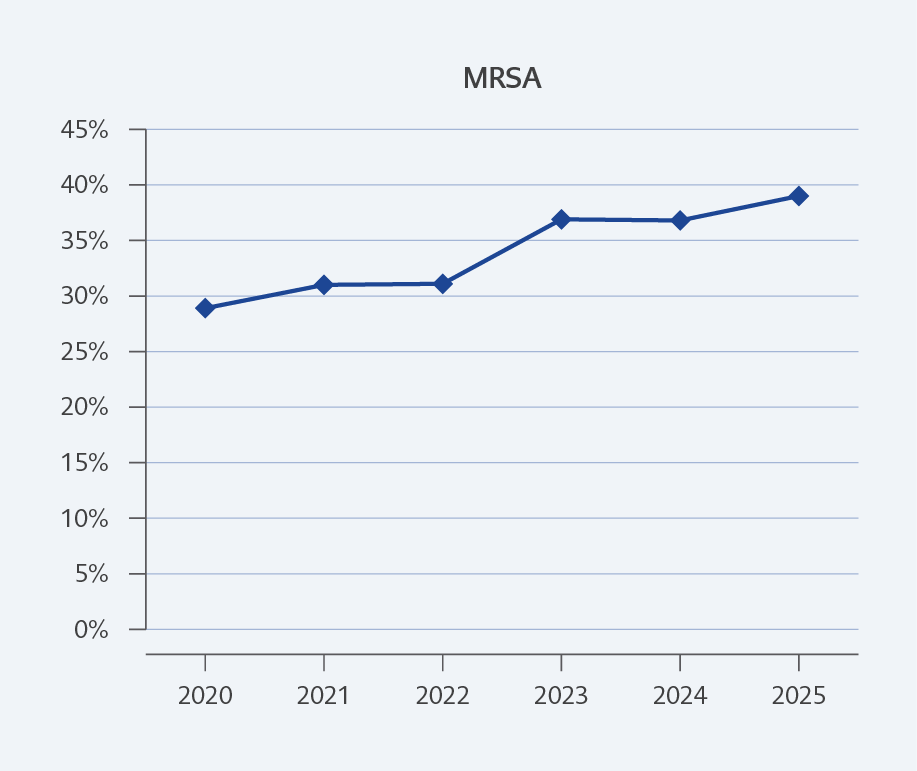
Figure 1. Annual proportion of methicillin-resistant Staphylococcus aureus (MRSA) among outpatient S. aureus isolates from skin and soft tissue infection–related specimens between 2020 and 2025.
Note: Temporal trend was assessed using the Cochran-Armitage
trend test.
MRSA: Methicillin-resistant Staphylococcus aureus.
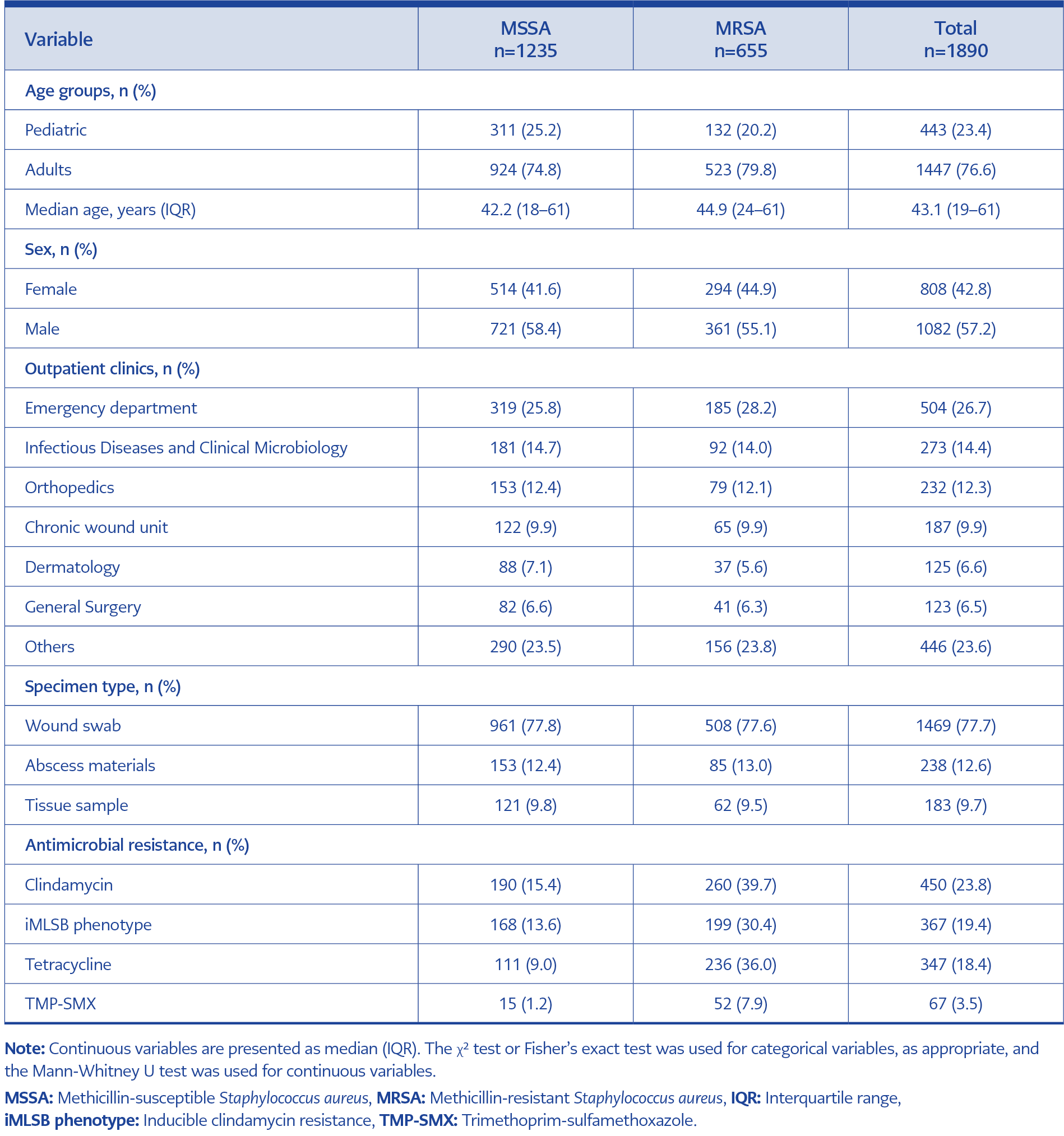
Table 1. Demographic characteristics, clinical distribution, and antimicrobial resistance profiles of outpatient Staphylococcus aureus isolates according to methicillin susceptibility.
A total of 1890 non-duplicate S. aureus isolates obtained from clinical specimens associated with outpatient SSTIs were included in the analysis. The median age of patients was 43.1 years (IQR 19–61). Adult patients (≥18 years) accounted for 76.6% of the study population. Overall, 1082 isolates (57.2%) were obtained from male patients and 808 (42.8%) from female patients. Regarding specimen type, most isolates were recovered from wound swab specimens (77.7%), followed by abscess materials (12.6%) and tissue samples (9.7%) (Table 1). Specimens related to SSTIs were most frequently submitted from the emergency department (26.7%), followed by infectious diseases and clinical microbiology clinics (14.4%), orthopedics (12.3%), and the chronic wound unit (9.9%). Smaller proportions of isolates came from dermatology (6.6%) and general surgery (6.5%) clinics, while 23.6% were submitted from other outpatient services (Table 1).
Methicillin Susceptibility and Antimicrobial Resistance Rates
Based on cefoxitin susceptibility testing, 1235 isolates (65.3%) were classified as MSSA and 655 isolates (34.6%) as MRSA. The proportion of MRSA among SSTI-associated S. aureus isolates ranged from 28.9% in 2020 to 39.0% in 2025 (Figure 1).
When all S. aureus isolates were evaluated collectively, resistance rates to the tested antimicrobials varied across the study period. Clindamycin resistance ranged from 17.8% in 2020 to 28.3% in 2025, while the proportion of isolates with the iMLSB phenotype ranged from 14.0% to 24.3% over the same period. Tetracycline resistance ranged from 14.0% in 2020 to 23.3% in 2024, and was 19.8% in 2025. TMP-SMX resistance remained relatively low throughout the study period, ranging between 1.9% and 4.6%.
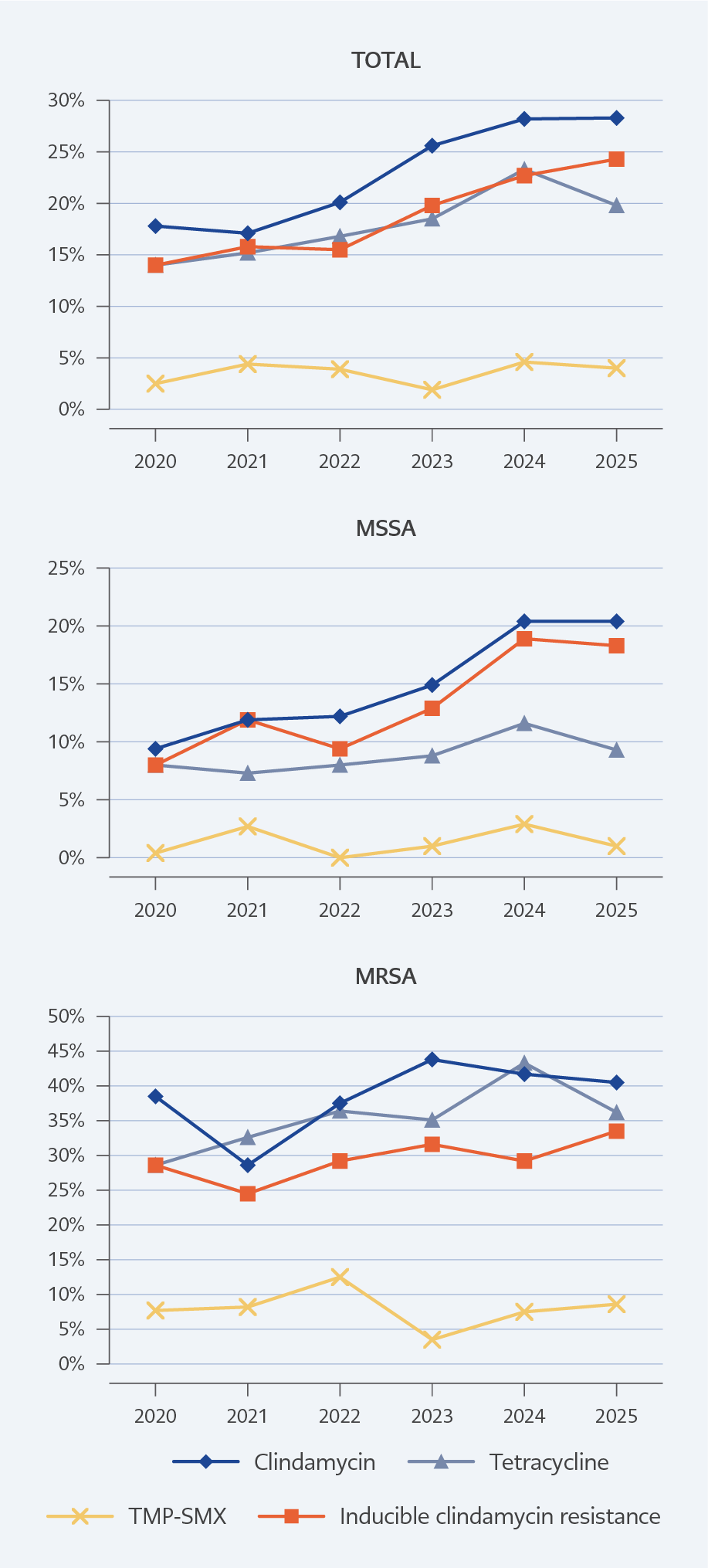
Figure 2. Temporal trends in antimicrobial resistance rates among outpatient Staphylococcus aureus isolates between 2020 and 2025, shown for total isolates and stratified by methicillin susceptibility (MSSA vs. MRSA).
Note: Temporal trends were assessed using the Cochran-Armitage trend test.
MSSA: Methicillin-susceptible Staphylococcus aureus,
MRSA: Methicillin-resistant Staphylococcus aureus,
TMP-SMX: Trimethoprim-sulfamethoxazole.
As illustrated in Figure 2, annual resistance trends differed by methicillin susceptibility. Among all S. aureus isolates, clindamycin resistance, the iMLSB phenotype, and tetracycline resistance increased over time. These trends were nevertheless consistently more pronounced in MRSA isolates than in MSSA isolates, with MRSA isolates showing higher resistance rates to all antimicrobial agents studied. In contrast, TMP-SMX resistance remained low and stable throughout the study period among all S. aureus, MSSA, and MRSA isolates.
The Cochran-Armitage test for temporal trend analysis detected a significant increase in methicillin resistance over time (p for trend <0.001). Significant upward trends were also observed for clindamycin resistance (p for trend <0.001), the iMLSB phenotype (p for trend <0.001), and tetracycline resistance (p for trend = 0.004). There was no significant temporal trend for TMP-SMX resistance (p for trend = 0.34).
Comparison of MSSA and MRSA Isolates According to Demographic Characteristics, Specimen Type, and Antimicrobial Resistance
No significant differences were observed between MSSA and MRSA isolates with respect to median age (p = 0.128) or sex distribution (p = 0.188). Similarly, the distribution of MSSA and MRSA isolates did not differ significantly according to the outpatient clinic of origin (p = 0.704) or SSTI specimen type (p = 0.919).
In contrast, MRSA isolates exhibited significantly higher resistance rates to all antimicrobials tested, including clindamycin, tetracycline, and TMP-SMX, and a significantly higher proportion exhibited the iMLSB phenotype compared with MSSA isolates (all p < 0.001; Table 1).
Age-Stratified Antimicrobial Resistance in MSSA and MRSA Isolates
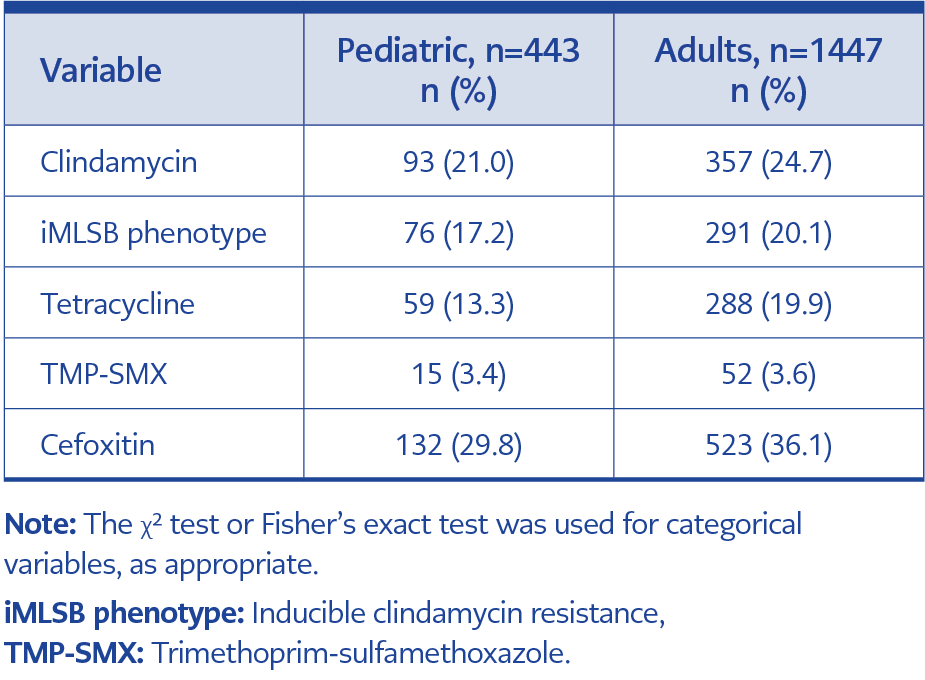
Table 2. Age-stratified antimicrobial resistance patterns of outpatient Staphylococcus aureus isolates.
Across the entire S. aureus cohort, tetracycline resistance and methicillin resistance were more frequent among adult patients (p <0.05). In contrast, resistance rates for clindamycin and TMP-SMX and the proportion of isolates exhibiting the iMLSB phenotype did not differ significantly between the two age groups (Table 2).
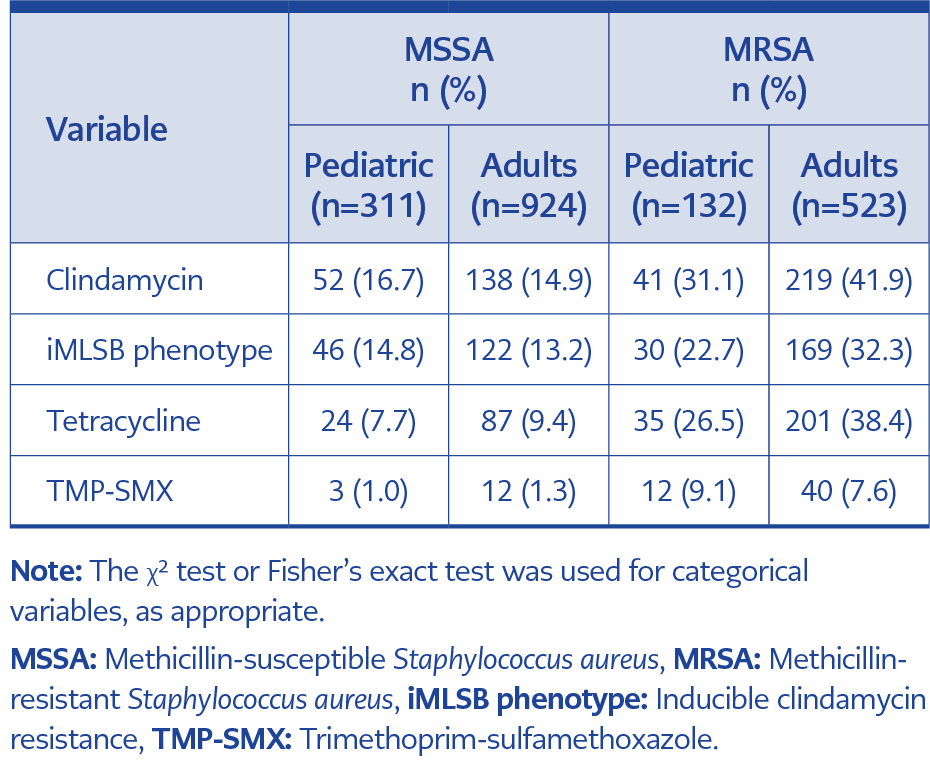
Table 3. Distribution of antimicrobial resistance among MSSA and MRSA isolates in pediatric and adult outpatients.
Among MSSA isolates, no statistically significant differences in antimicrobial resistance rates were observed between pediatric and adult patients (Table 3). Conversely, MRSA isolates from adult patients demonstrated significantly higher clindamycin resistance (p = 0.030), a higher frequency of the iMLSB phenotype (p = 0.042), and higher tetracycline resistance (p = 0.014) than those from pediatric patients. TMP-SMX resistance did not differ significantly by age among MRSA isolates (p = 0.713).
Antimicrobial Resistance According to SSTI Specimen Type
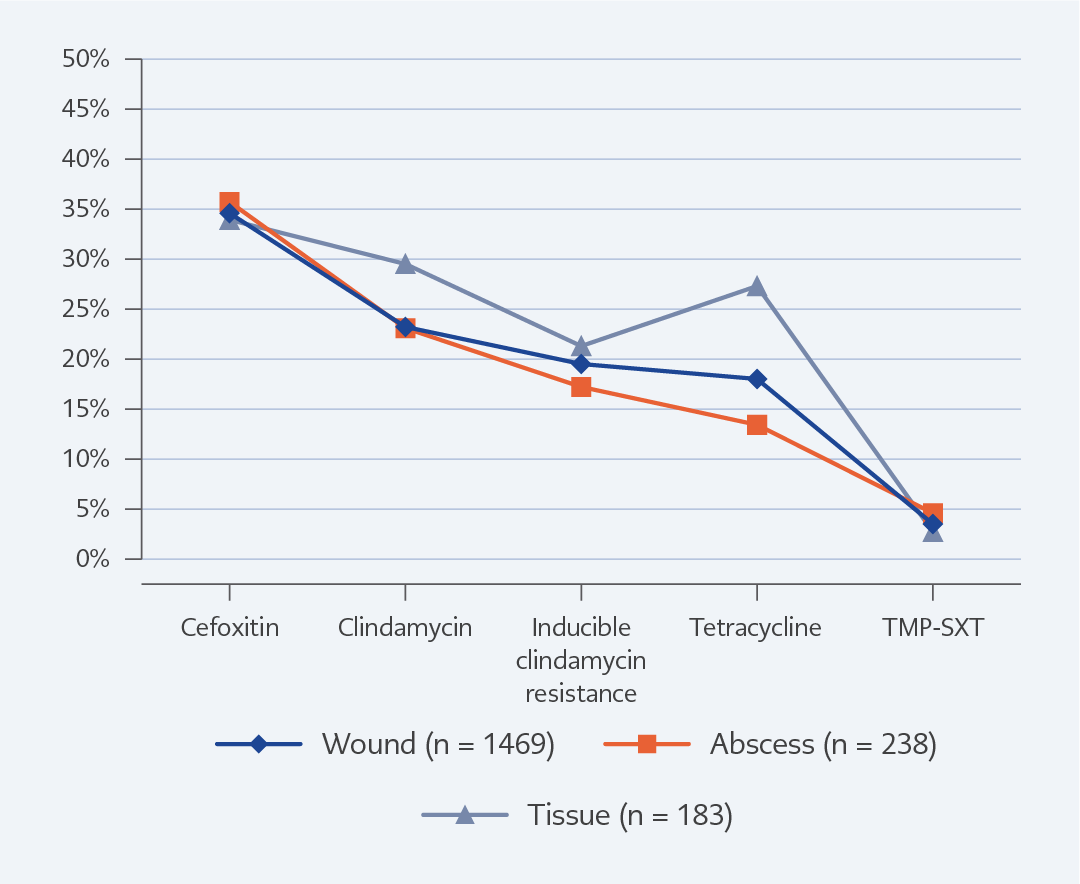
Figure 3. Antimicrobial resistance rates among outpatient Staphylococcus aureus isolates by specimen type (wound swab, abscess material, and tissue sample).
Note: Between-group comparisons were performed using the χ² test or Fisher’s exact test, as appropriate.
TMP-SMX: Trimethoprim-sulfamethoxazole.
When antimicrobial resistance rates were compared across SSTI specimen types, a significant difference was observed only for tetracycline resistance (p = 0.001), which was highest among tissue-derived isolates than among wound swab and abscess specimens. No significant differences according to specimen type were detected for clindamycin resistance (p = 0.163), the iMLSB phenotype (p = 0.559), TMP-SMX resistance (p = 0.553), or methicillin resistance (p = 0.919) (Figure 3).
Discussion
This study provides a six-year evaluation of antimicrobial resistance dynamics among S. aureus isolates recovered exclusively from outpatients with SSTIs. The overall prevalence of MRSA was 34.6% and increased significantly between 2020 and 2025, as confirmed by formal trend analysis. At the same time, resistance to frequently prescribed oral non-β-lactam agents, particularly clindamycin and tetracycline, showed significant upward trends, whereas TMP-SMX resistance remained low and stable throughout the study period. MRSA isolates consistently showed higher resistance rates than MSSA isolates for all tested antimicrobials. These data collectively indicate that the availability of effective oral therapies for outpatient SSTIs has decreased over time and underscore the importance of surveillance data for guiding treatment practices (6,20–22).
In a comprehensive outpatient surveillance study in the United States between 2010 and 2019, Carrel et al. (6) reported that resistance to oral non-β-lactam agents remained clinically relevant despite regional variation in MRSA prevalence. This supports the present findings by showing that the reliability of commonly used oral agents should not be inferred from methicillin susceptibility alone.
The observed increase in MRSA prevalence in our cohort further supports the view that outpatient-derived MRSA remains a significant clinical challenge across healthcare systems with differing patterns of antibiotic use.
Infections caused by MRSA are particularly important in outpatient-oriented settings, including emergency departments, primary care units, and chronic wound clinics. In our study, emergency departments and chronic wound units were among the most common sources of specimens, suggesting these settings may be important points of exposure to resistant S. aureus isolates. Similarly, a long-term study in Gabon (2009–2019) evaluating SSTIs reported increasing MRSA prevalence, with higher rates among adults than children (20). These findings support the need for continued surveillance in outpatient populations, especially among patients with repeated healthcare contact or chronic wound-related presentations.
A significant finding of our study is the substantial increase in clindamycin resistance and the frequency of the iMLSB phenotype over time. By 2025, clindamycin resistance reached 28.3%, while the frequency of the iMLSB phenotype increased to 24.3%. Formal trend analysis confirmed significant upward trends in both clindamycin resistance and the iMLSB phenotype (p for trend <0.001 for both). These findings suggest that empirical clindamycin use may be increasingly unreliable, particularly when MRSA is suspected. Consistent with our findings, Carrel et al. (6) reported higher clindamycin resistance rates among MRSA isolates than among MSSA isolates in outpatient S. aureus isolates.
In contrast, a pediatric study from a tertiary-care center in Türkiye reported lower MRSA prevalence and lower frequencies of the iMLSB phenotype (23). The higher clindamycin resistance rate and higher frequency of the iMLSB phenotype observed in our study may partly reflect the inclusion of adult patients, among whom chronic wounds, cumulative antimicrobial exposure, and more frequent healthcare contact may contribute to the selection of inducible clindamycin resistance mechanisms. This finding also suggests that pediatric-only resistance data may not fully represent resistance patterns in broader outpatient populations.
Inducible clindamycin resistance is an important resistance mechanism because it may lead to treatment failure despite documented susceptibility (24,25). In this study, the iMLSB phenotype was interpreted using the VITEK system. The increasing frequency of this phenotype underscores the importance of identifying inducible clindamycin resistance in outpatient-derived isolates, particularly in settings where clindamycin is frequently considered for empirical oral therapy.
Age stratification studies showed a higher rate of methicillin and tetracycline resistance among adults compared with the pediatric population. A similar pattern was reported in the Gabon study, in which MRSA prevalence was higher among adults than among children (20).
Large-scale data on outpatient surveillance have shown that resistance to tetracyclines occurs more frequently in MRSA than in MSSA isolates (6). Furthermore, multicenter European data support this phenotypic trend and have associated tetracycline resistance in S. aureus with resistance genes such as tet(M) and tet(K) (26). These findings are concordant with our observation of increasing tetracycline resistance over time, particularly among MRSA isolates, and suggest that empirical use of tetracyclines in outpatient MRSA-associated SSTIs should be guided by local susceptibility data.
When resistance patterns were evaluated according to specimen type, tetracycline resistance was significantly higher among tissue-derived isolates than among wound swab and abscess isolates. Further studies incorporating molecular and clinical data are needed to clarify the factors underlying specimen type-related differences in tetracycline resistance.
In contrast to clindamycin and tetracycline, TMP-SMX resistance remained below 5% throughout the six-year study period, and no significant temporal increase was detected. International surveillance data similarly indicate that TMP-SMX resistance remains low in both MRSA and MSSA isolates, with no clear upward trend over time. In contrast to the stable TMP-SMX resistance observed in our cohort, Carrel et al. reported increasing resistance in both MRSA and MSSA isolates, with higher rates among MRSA isolates (6), and high susceptibility rates have been documented in community-acquired SSTIs presenting to emergency departments (15). Although high susceptibility rates to TMP-SMX have been reported in pediatric populations (23), some studies have suggested a gradual increase in resistance among MSSA isolates over time (13). Therefore, although TMP-SMX remained the most stable oral option in our cohort, continued local monitoring remains necessary.
This study has several limitations. Its retrospective design may be subject to biases related to data completeness and clinical documentation. Molecular characterization of resistance mechanisms and clonal lineages was not performed, limiting insights into the genetic background of observed resistance patterns. In addition, susceptibility categories were interpreted according to the EUCAST breakpoint version implemented in routine laboratory practice at the time of isolate recovery, and the dataset was not retrospectively reinterpreted according to a single, most recent EUCAST version. Therefore, changes in EUCAST breakpoint definitions over time may have influenced resistance classification for some agents. Clinical outcome data were unavailable, precluding assessment of the direct impact of antimicrobial resistance on treatment success. Finally, as a single-center study conducted in a large tertiary-care hospital, generalizability to other outpatient settings may be limited. Nevertheless, the large sample size, extended study period, and exclusive focus on outpatient-derived isolates provide valuable and locally relevant data to inform empirical antibiotic selection in outpatient SSTIs.
This outpatient-based surveillance study indicates that methicillin resistance among S. aureus isolates has increased substantially over the past 6 years. The proportion of MRSA increased from 28.9% in 2020 to 39.0% in 2025. Concurrently, resistance to frequently prescribed oral non-β-lactam agents, particularly clindamycin and tetracycline, increased dramatically, whereas TMP-SMX resistance remained low and stable. Because MRSA isolates consistently showed higher resistance rates than MSSA isolates, empirical use of clindamycin and tetracycline should be guided by local susceptibility data, particularly when MRSA is suspected.
In conclusion, our findings underscore that empirical oral treatment of outpatient SSTIs should be guided by outpatient-specific antibiogram data rather than relying solely on inpatient resistance patterns.