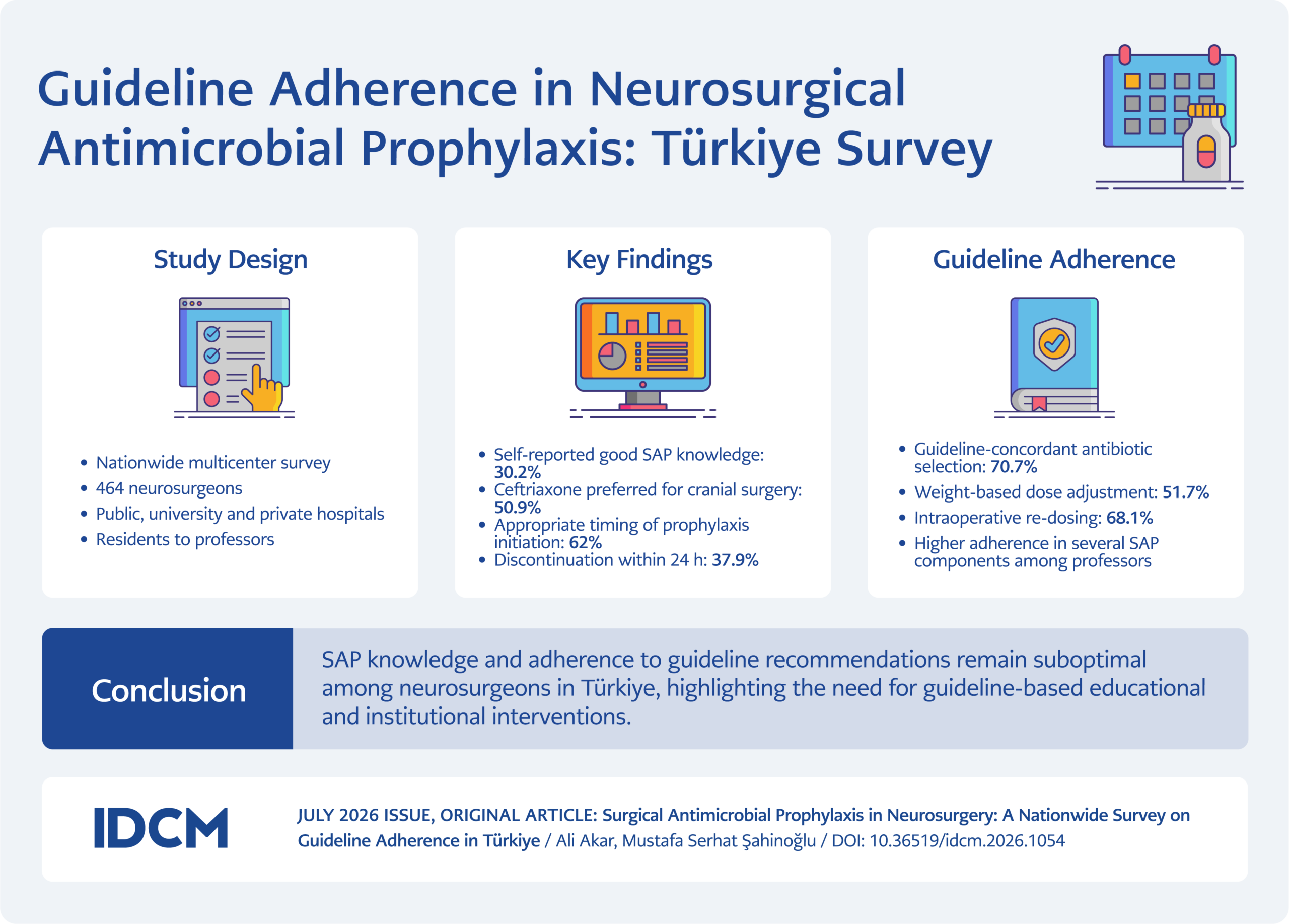
Graphical Abstract
Introduction
Surgical site infections (SSIs) remain one of the most common and serious hospital-acquired infections (HAIs), despite continuous technological advancements in modern medicine (1). Depending on the type of surgery, the incidence of SSIs ranges from 0.6% to 9.5%; a meta-analysis published in 2023 reported a global pooled incidence of approximately 2.5% (2,3). SSIs are associated with several adverse outcomes, including increased morbidity and mortality, prolonged hospital stays, a higher likelihood of reoperation, and substantially elevated healthcare costs (2).
Multiple national and international guidelines have outlined strategies to prevent SSIs (4–6). These include reducing patient-specific risk factors (e.g., smoking cessation, nutritional support), preoperative antiseptic bathing, appropriate preparation of the surgical field, and intraoperative management of blood glucose and temperature. Such interventions have been shown to reduce the risk of SSIs by up to 60% (4). Among these strategies, surgical antimicrobial prophylaxis (SAP) is recognized as a critical component. When antibiotic selection, dosing, and timing are optimized, SAP has been shown to significantly reduce the risk of postoperative infections (5).
Despite well-established guideline recommendations, clinical practice often diverges from these standards. This discrepancy is particularly evident in developing countries, where data on SAP practices are limited, and existing studies frequently report significant inconsistencies, particularly in antibiotic selection and timing (7,8). Factors contributing to suboptimal SAP implementation include challenges in maintaining up-to-date professional knowledge, entrenched clinical habits, lack of institutional policies, and practical difficulties in implementing guideline recommendations (9). Reported adherence rates to SAP guidelines across different hospital types, specialties, and geographic regions vary widely, ranging from 40% to 90% (10–12).
In Türkiye, SAP is predominantly managed by surgeons and anesthesiologists, highlighting the critical need for targeted education and awareness initiatives among these healthcare professionals. However, the literature contains only a limited number of studies assessing surgeons’ knowledge and attitudes toward SAP (7,13–15). The present study represents one of the most comprehensive surveys to date in this area, involving neurosurgeons at various professional levels—including residents, specialists, and academicians—working in public, university, and private foundation hospitals across diverse regions of Türkiye.
The primary aim of this study was to assess the knowledge and clinical practices of neurosurgeons in Türkiye regarding SAP and to compare these practices with current national and international guideline recommendations. A secondary objective was to evaluate clinicians’ awareness of current SAP guidelines and to explore the associations between knowledge levels and professional characteristics such as institution type and academic title. As one of the first large-scale investigations focusing specifically on SAP practices in Turkish neurosurgical settings, this study aimed to identify gaps between knowledge and practice and to provide foundational data for improving clinical standardization and adherence to prophylaxis protocols.
Materials and Methods
This multicenter, cross-sectional, descriptive study was conducted between January 15 and March 15, 2023, using an online survey administered to physicians actively practicing in the field of neurosurgery across Türkiye. The survey was designed using the Google Forms platform (Google LLC, Mountain View, CA, USA), distributed through email and professional communication groups, and remained accessible for 60 days. Inclusion criteria included physicians holding a professional title in neurosurgery and actively practicing in Türkiye who voluntarily completed the questionnaire in full. Incomplete responses and entries that did not meet the eligibility criteria were excluded from the analysis. A total of 464 valid responses were included in the final dataset. All data were collected anonymously, were used exclusively for research purposes, and contained no personally identifiable information.
The questionnaire was developed by the principal investigator following an extensive review of the literature and relevant guideline recommendations and institutional SAP practices (4,5,16,17). To ensure content validity, the draft version was reviewed by a multidisciplinary panel consisting of an anesthesiologist, an infectious diseases and clinical microbiology specialist, and a general surgeon. Revisions were made to enhance the clarity, relevance, and consistency of the questions. A pilot study was subsequently conducted with five neurosurgery specialists, and the final version of the questionnaire was revised based on their feedback.
Questionnaire Structure
The survey consisted of two main sections. The first section collected participants’ demographic and professional characteristics, including age, sex, years of professional experience, academic title (resident, specialist, assistant professor, associate professor, or professor), and type of institution (secondary-level public hospital, secondary-level private hospital, tertiary training and research hospital, public university hospital, or private foundation university hospital).
The second section focused on evaluating participants’ knowledge and clinical practices regarding SAP. The questionnaire included items assessing participants’ self-perceived level of knowledge about SAP, sources of information, whether approval from an infectious diseases specialist was required before SAP administration, preferred prophylactic antibiotics for cranial and spinal procedures, timing of prophylaxis initiation, administration of additional intraoperative cefazolin doses during prolonged procedures, consideration of patient body weight when determining cefazolin dosage, and the duration and timing of prophylaxis discontinuation.
The study was approved by the Scientific Research Ethics Committee of Çanakkale Onsekiz Mart University on December 29, 2022 (Decision No. 23/38).
Statistical Analysis
Data were analyzed using IBM SPSS Statistics for Windows, version 29.0 (IBM Corp., Armonk, NY, USA). Assistant professors, associate professors, and professors were grouped as “academic staff” for primary analyses. Descriptive statistics were presented as frequencies (n) and percentages (%). Associations between categorical variables were assessed using the Pearson chi-square test. When more than 20% of the expected cell counts were less than 5, Fisher’s exact test was used instead. A p-value < 0.05 was considered statistically significant.
Results
A total of 464 neurosurgeons participated in the study. The majority were male (82.8%), with a mean age of 39.5 ± 10.9 years. In terms of institutional distribution, most participants were from tertiary training and research hospitals (34.5%), followed by secondary-level public hospitals (26.7%), public university hospitals (18.1%), private hospitals (12.9%), and foundation university hospitals (7.8%).
Regarding academic rank, specialists constituted the largest group (52.6%), followed by residents (27.6%), associate professors (9.5%), assistant professors (6.0%), and professors (4.3%).
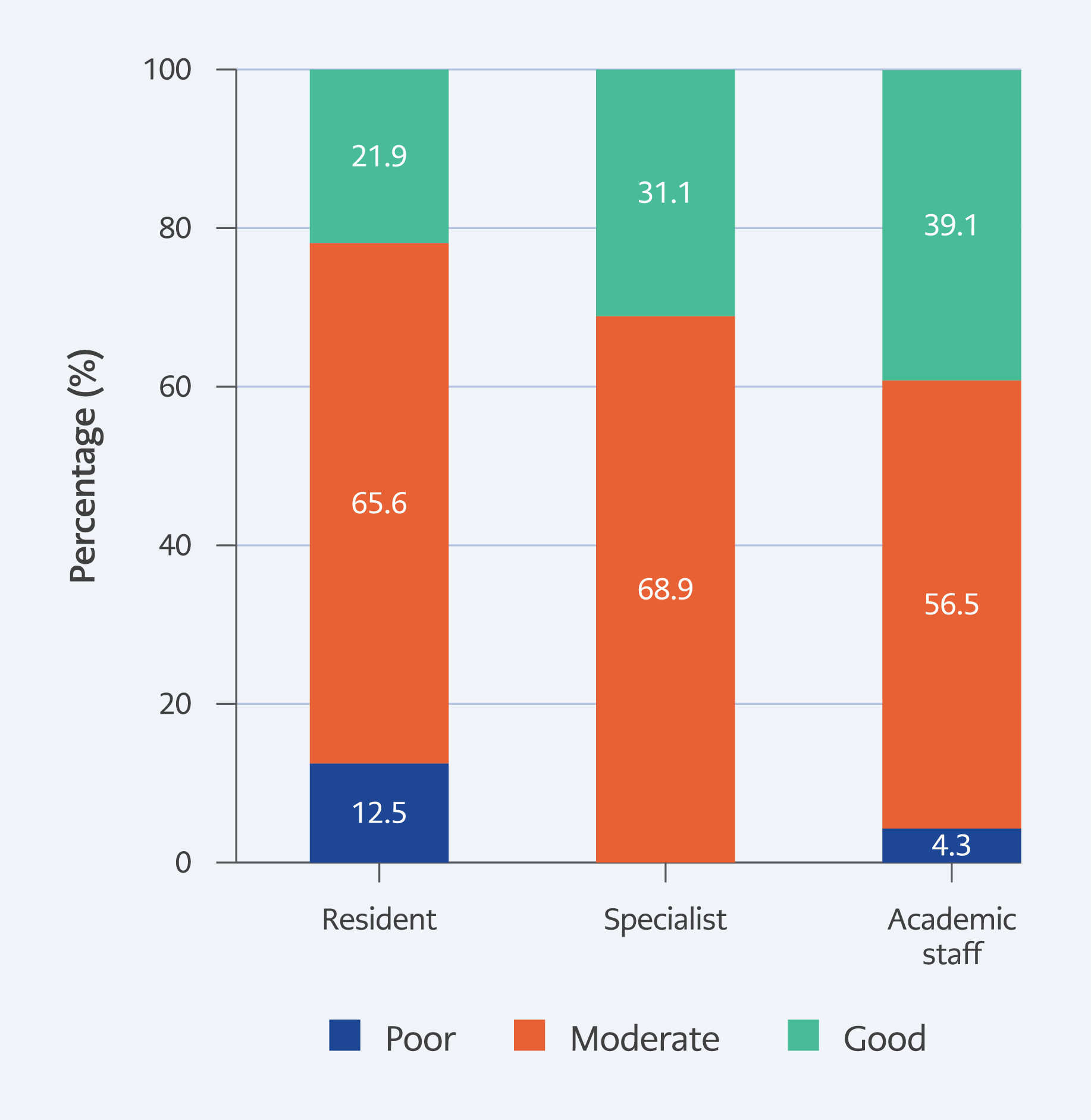
Figure 1. Self-reported surgical antimicrobial prophylaxis knowledge by professional category.
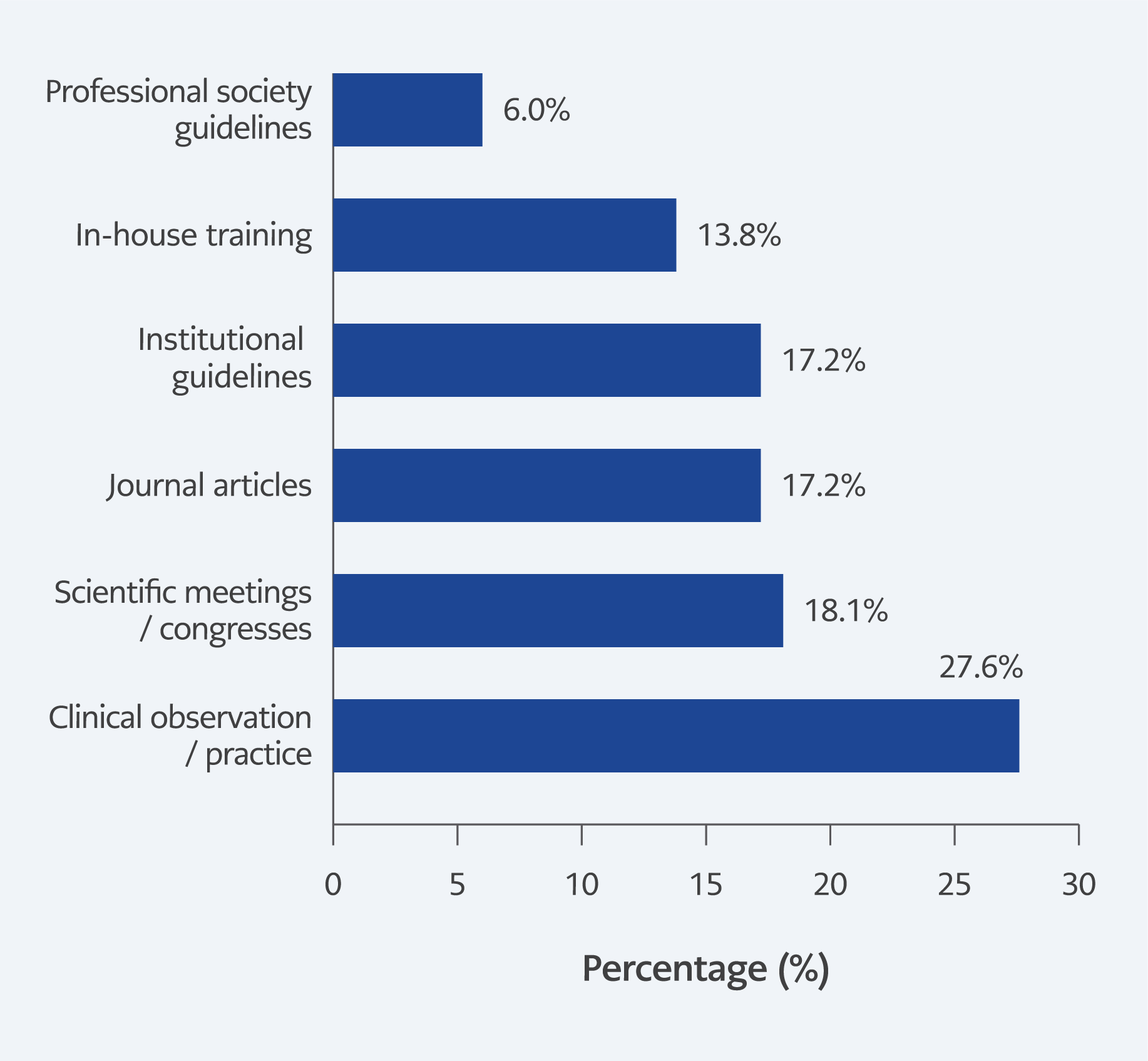
Figure 2. Sources of information on surgical antimicrobial prophylaxis.
Self-reported SAP knowledge differed significantly across professional groups (Figure 1). The proportion of participants reporting a “good” level of knowledge was highest among academic staff and lowest among residents (p < 0.001). Participants reported multiple sources of information on SAP, as illustrated in Figure 2.
Regarding clinical decision-making authority, 55.2% of participants reported independently determining the antibiotic selection, dose, and duration without approval from an infectious diseases specialist. By contrast, 24.1% stated that approval from an infectious diseases specialist was mandatory in their institution, while 20.7% reported that, although formally required, they occasionally acted on their own clinical judgment when necessary.
Overall, cefazolin was the most frequently selected antibiotic for SAP, accounting for 70.7% of responses. Its use differed significantly across academic ranks (p < 0.001), with the lowest rate observed among residents (53.1%). For cranial surgery, ceftriaxone was the most commonly preferred agent overall (50.9%), whereas cefazolin was preferred by 39.7% of participants. The distribution of antibiotic preferences differed significantly across academic ranks (p = 0.003).
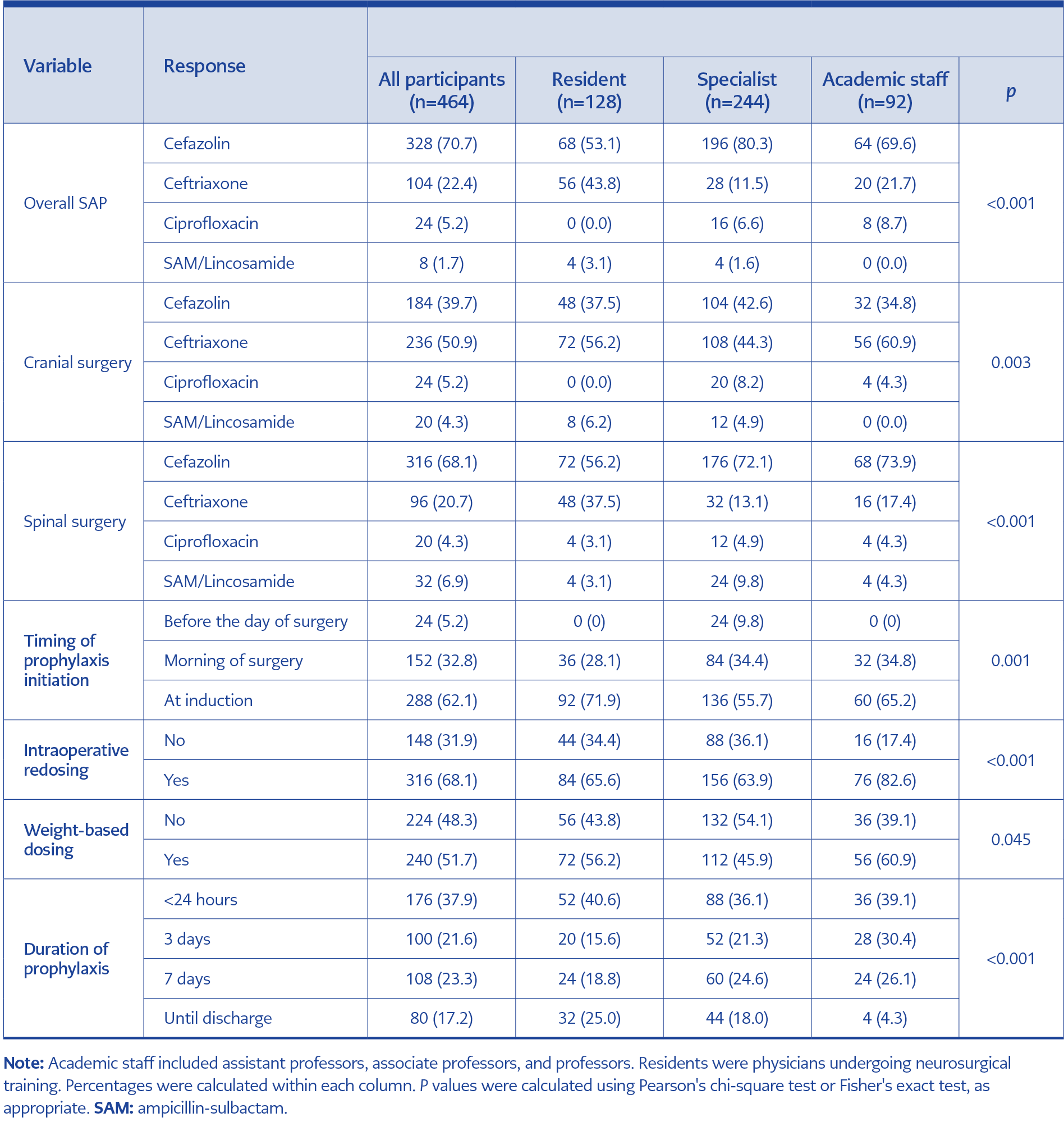
Table 1. Comparison of surgical antimicrobial prophylaxis (SAP) practices according to academic rank.
Administration of cefazolin prophylaxis at the time of anesthesia induction differed significantly between groups (p = 0.001), with the lowest rate observed among specialists. Intraoperative redosing of cefazolin during prolonged surgery also varied significantly across groups (p < 0.001), with academic staff reporting the highest rate. Weight-based dosing and the duration of prophylaxis also differed significantly between groups (p = 0.045 and p < 0.001, respectively). These findings are summarized in Table 1.
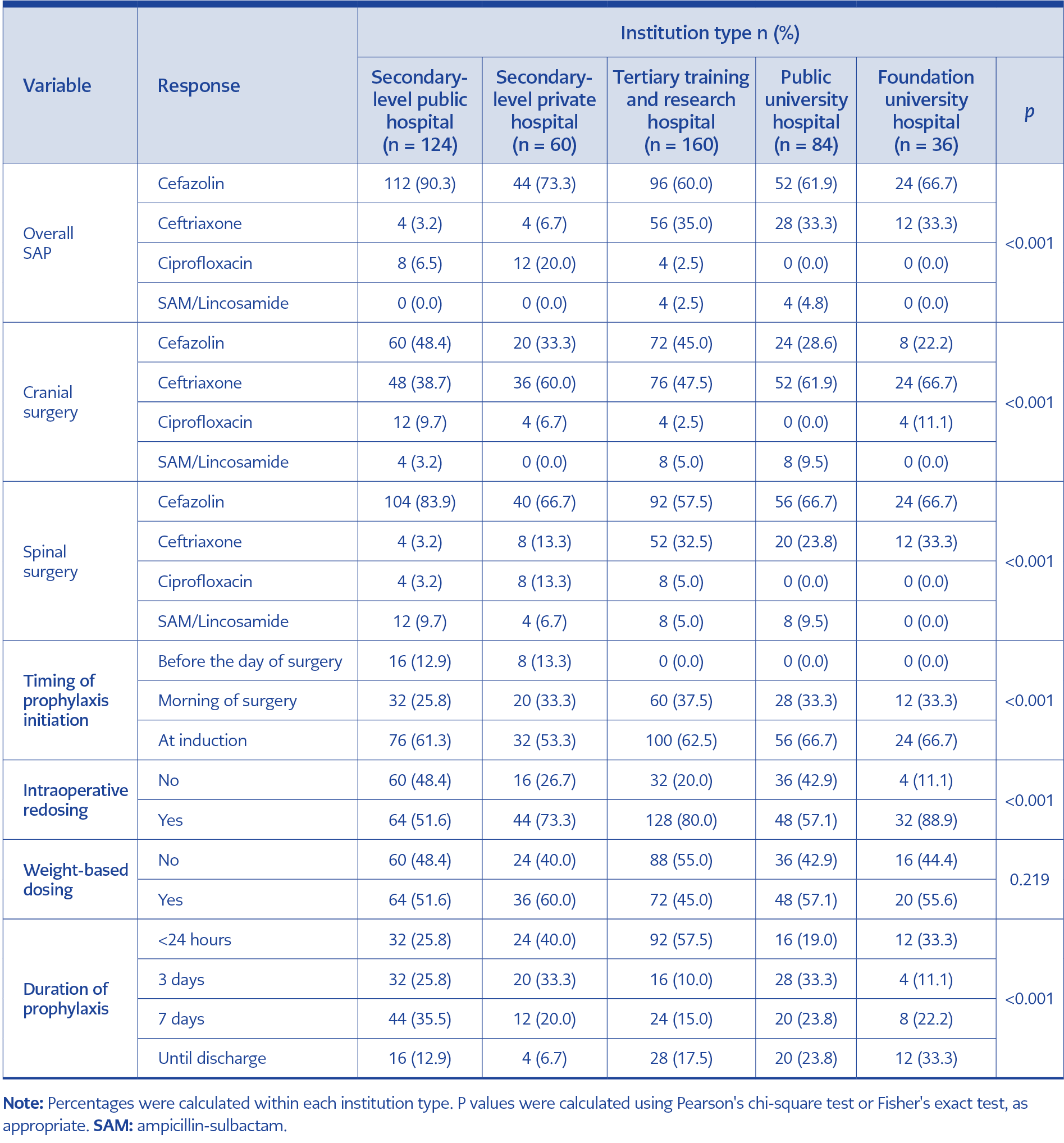
Table 2. Comparison of surgical antimicrobial prophylaxis (SAP) practices according to institution type.
Antimicrobial selection for SAP differed significantly according to institution type (Table 2). Cefazolin use was highest in secondary-level public hospitals (90.3%) and substantially lower in tertiary training and university hospitals. For cranial procedures, ceftriaxone was the predominant agent across most institution types, particularly in university and foundation hospitals, whereas cefazolin use remained relatively higher only in secondary-level public hospitals.
Prophylaxis practices also varied across institutions. Intraoperative redosing was more frequently performed in tertiary and university-affiliated centers compared to secondary-level hospitals (p < 0.001). Weight-based dosing did not differ significantly between institution types (p = 0.219). In contrast, the duration of prophylaxis varied markedly across institutions (p < 0.001), with discontinuation within 24 hours more common in training and research hospitals, while prolonged prophylaxis and continuation until discharge were more frequently reported in university-affiliated centers. These findings are summarized in Table 2.
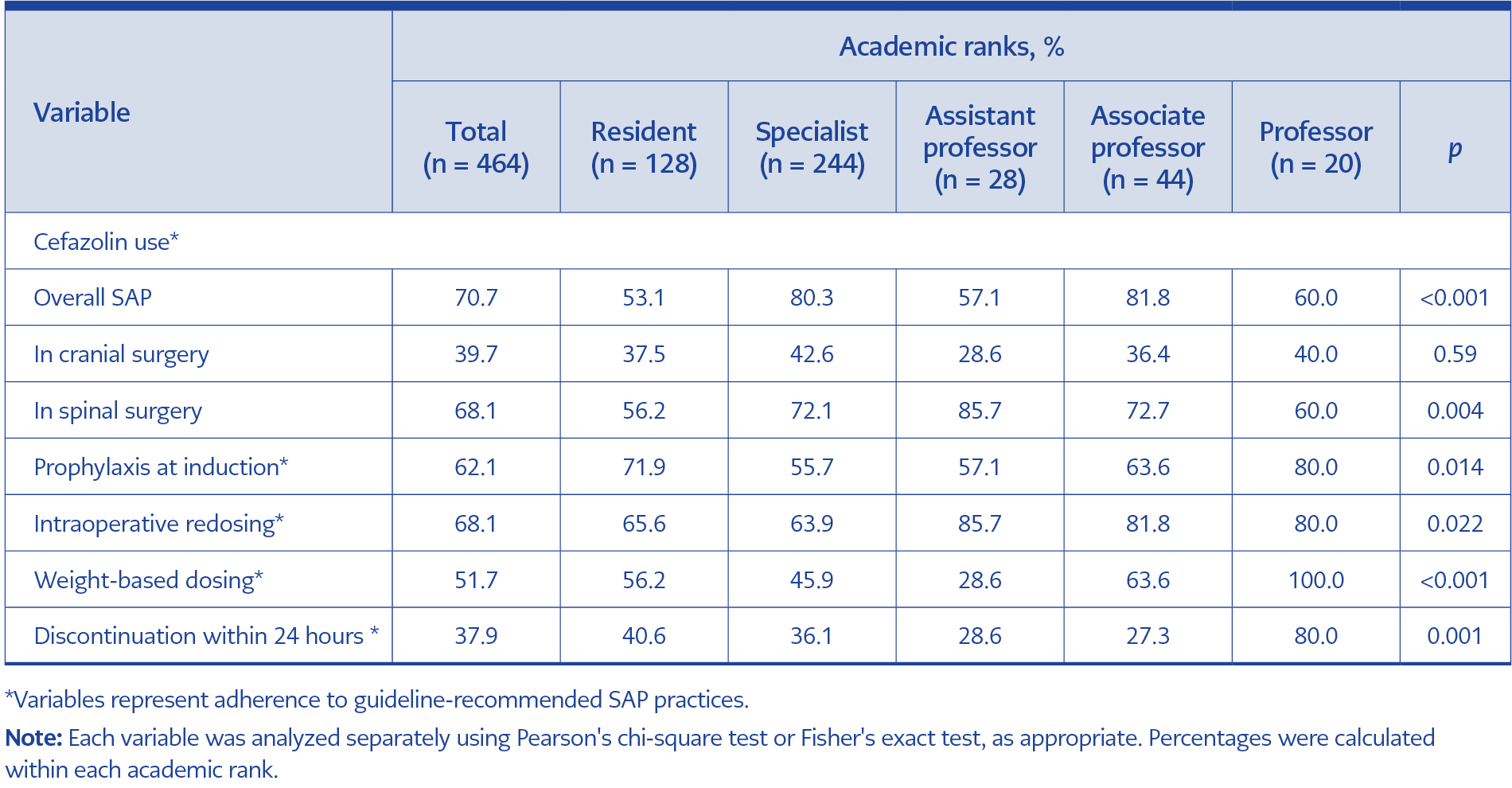
Table 3. Guideline-concordant surgical antimicrobial prophylaxis (SAP) practices by academic rank.
Cefazolin use for SAP was approximately 70% overall, whereas its use in cranial procedures was substantially lower. Adherence to guideline-recommended practices was suboptimal for several key components, including initiation of prophylaxis at the time of anesthesia induction, weight-based cefazolin dosing, and discontinuation within 24 hours. Guideline-concordant SAP practices differed significantly across academic ranks (Table 3). Adherence to guideline-recommended antibiotic selection was highest among specialists and associate professors and lowest among residents (p < 0.001). For spinal procedures, adherence to cefazolin use varied significantly across groups, with the highest rates observed among assistant professors and the lowest among residents (p = 0.004), whereas no significant difference was observed for cranial procedures (p = 0.59).
Adherence to prophylaxis initiation at the time of anesthesia induction differed significantly across academic ranks (p = 0.014), with the highest rates among professors. Discontinuation of prophylaxis within 24 hours also differed significantly across groups (p = 0.001), with the highest adherence observed among professors. These findings are summarized in Table 3.
Discussion
This study is among the first large-scale investigations to comprehensively evaluate both knowledge levels and guideline adherence regarding SAP among neurosurgeons in Türkiye. Our findings indicate that adherence to key components of SAP remains suboptimal across multiple domains.
Significant heterogeneity was observed across several critical parameters of SAP implementation, including antibiotic selection, timing of prophylaxis initiation, intraoperative redosing practices, weight-based dose adjustment, and duration of prophylaxis. Similar variability has been reported in other settings; for example, a multicenter study from Japanese university hospitals demonstrated that overall SAP appropriateness was moderate and varied considerably between institutions, with prolonged duration and non-optimal antimicrobial selection being the most common reasons for non-compliance (18). These findings suggest that adherence to SAP recommendations may differ across clinical settings and highlight the challenges of achieving consistent implementation of guideline-based practices.
In addition to this variability, a discrepancy was observed between participants’ self-reported knowledge levels and their adherence to guideline-recommended practices. While residents tended to report lower levels of knowledge and professors reported higher levels, this difference did not fully translate into clinical practice. These findings suggest that although professional seniority may be associated with higher perceived knowledge, it does not necessarily result in consistent implementation of guideline-based practices.
Analysis of participants’ knowledge sources indicated that the most commonly cited method of learning was “observation and practice.” This suggests that experiential, practice-based learning continues to play a dominant role in surgical settings, whereas structured, guideline-oriented education appears to be less prominent. Such reliance on informal learning—often shaped by institutional norms and mentor practices—may contribute to variability in clinical practice and limit the consistent application of evidence-based recommendations. To address this issue, structured educational initiatives supported by audit systems, feedback mechanisms, and interdisciplinary collaboration—particularly with infectious diseases specialists—may be beneficial. Similar patterns have been reported in previous studies, where awareness of guidelines does not consistently translate into adherence in clinical practice, particularly in antibiotic selection and timing of prophylaxis (7,8,13).
In our study, cefazolin emerged as the most commonly preferred antibiotic for SAP; however, third-generation cephalosporins—particularly ceftriaxone—were more frequently used in cranial surgeries. This finding represents a deviation from established guidelines, which consistently recommend first-generation cephalosporins, especially cefazolin, as the agent of choice for most clean neurosurgical procedures. The use of broader-spectrum agents such as ceftriaxone may reflect concerns regarding postoperative infections, but it also raises concerns about unnecessary broad-spectrum antibiotic exposure and its potential contribution to antimicrobial resistance.
The literature presents variable results regarding adherence to SAP recommendations. For example, Tan et al. (13) reported a 99% adherence rate to guideline-recommended antibiotic selection in their cohort, whereas our study demonstrated lower compliance, particularly in cranial procedures. A similar pattern has been observed in other settings; for instance, a study from India reported frequent use of third-generation cephalosporins despite recognition of cefazolin as the first-line agent (14). In addition, large-scale data from the United States have shown that adherence to SAP guidelines remains suboptimal, with unnecessary use of broader-spectrum agents, such as vancomycin, being a major contributor to non-adherence and associated with an increased risk of adverse outcomes (20). Taken together, these findings suggest that deviations from guideline-recommended antibiotic selection are not uncommon and may reflect variability in translating guideline recommendations into routine clinical practice.
Our findings regarding the timing of SAP initiation showed that adherence in our cohort was lower than that reported in several previous studies. In our study, 62% of participants reported initiating prophylaxis within the recommended time frame. This rate was lower than those reported by Schmitt et al. (7) (77.1%), Matsuda et al. (19) (65%), and Kondo et al. (21) (85%). Similar to our study, a study conducted among anesthetists in South Africa identified knowledge deficiencies related to the appropriate timing of SAP administration (22). Meanwhile, Tan et al. (13) reported that, despite near-complete adherence to antibiotic selection recommendations, inconsistencies persisted in the timing and duration of prophylaxis. Although the reasons for suboptimal timing were not directly assessed in our study, this finding may reflect challenges in translating guideline recommendations into routine perioperative practice.
In addition, nearly half of the participants did not consider patient body weight when administering cefazolin for SAP. This suggests that weight-based dose adjustment may be insufficiently incorporated into routine neurosurgical practice, despite its importance in guideline-based prophylaxis. Current guidelines emphasize that standard dosing may be inadequate in patients with obesity or elevated body mass index, potentially increasing the risk of postoperative infections (4,5). However, studies specifically addressing awareness and implementation of weight-adjusted SAP dosing remain limited. Accordingly, our findings draw attention to this relatively underemphasized aspect of SAP practice.
In our study, 62% of participants reported prolonging SAP beyond the recommended duration. Although 80% of professors indicated that they discontinued prophylaxis within the recommended timeframe, this rate was considerably lower among other academic ranks. Current guidelines recommend administering a single dose or discontinuing SAP within 24 hours postoperatively (4,5,16). However, prolonged use of prophylaxis has been consistently reported both in our cohort and in previous studies, indicating that extended SAP remains a common deviation from guideline recommendations (7,19,23).
Schmitt et al. (7) identified extended antibiotic administration as the most prominent area of non-compliance in their multicenter evaluation, with 62.2% of cases showing unnecessary prolongation, while Matsuda et al. (19) reported that 80% of prophylactic regimens exceeded 24 hours. In line with these findings, a recent multicenter study from Türkiye demonstrated that overall SAP compliance remains low, with prolonged prophylaxis and continuation of antibiotics at discharge being major contributors to non-compliance (23). These observations reinforce that unnecessary prolongation of prophylaxis remains one of the most persistent deviations from guideline recommendations across different healthcare settings.
This study has several limitations that should be acknowledged. First, the data were obtained through a self-reported survey and may reflect perceived practices rather than actual clinical behavior, introducing the potential for response bias. Second, as participation was voluntary, the sample may be biased toward individuals with greater interest or awareness regarding SAP, potentially limiting the generalizability of the findings. Information on the geographic distribution of participants was not collected; therefore, regional representativeness could not be formally assessed. Additionally, the relatively small number of participants in some academic subgroups should be considered when interpreting subgroup comparisons. Third, although the questionnaire was developed based on relevant guideline recommendations, it may not fully capture the complexity of real-world clinical scenarios. Finally, the cross-sectional design precludes any inference about causal relationships.
Despite these limitations, this study has several notable strengths. The relatively large sample size and inclusion of participants from different institutional types and academic ranks enhance the representativeness of the findings and provide a comprehensive overview of current SAP practices in neurosurgical settings across Türkiye.
In conclusion, adherence to guideline-recommended SAP practices among neurosurgeons in Türkiye remains suboptimal. While knowledge levels varied across academic ranks, this knowledge did not consistently translate into clinical practice. Lower adherence was particularly evident in key domains, including antibiotic selection, timing of prophylaxis initiation, weight-based dose adjustment, and duration of prophylaxis.
These findings suggest that improving SAP practice will likely require more than educational interventions alone. Institutional protocols, audit and feedback systems, and multidisciplinary collaboration may help promote consistent adherence to evidence-based recommendations and improve the quality of SAP implementation in neurosurgical settings.