Introduction
Despite the transition of HIV/AIDS from a once-fatal condition to a manageable chronic disease through decades of pharmaceutical innovation, the social dimensions of the epidemic remain complex and multifaceted (1–3). Although medical advancements have significantly reduced HIV-related clinical complications, discrimination and stigmatization against people living with HIV (PLHIV) remain formidable challenges (2–5). While many regions worldwide report a decline or stabilization in new HIV infection rates, Türkiye has experienced one of the most rapid increases in new HIV diagnoses globally over the last decade (6). Given this rising trend in our country, it is imperative to align with the global 95-95-95 targets while simultaneously prioritizing the “fourth 90” goal, which aims to ensure that less than 10% of PLHIV experience stigma and discrimination in healthcare and social settings (7).
Healthcare professionals play a pivotal role in mitigating HIV-related stigma; however, they may also inadvertently contribute to discrimination (8). Building trust with healthcare providers is essential, particularly for individuals who see stigma as a barrier to antiretroviral therapy (ART) adherence (9). Such discriminatory practices not only compromise individual health outcomes but also exacerbate broader societal challenges associated with the HIV epidemic (8). Consequently, addressing and reducing stigma within healthcare settings is imperative.
This behavior is often rooted in a lack of comprehensive understanding, compounded by an exaggerated fear of occupational HIV transmission. Providing targeted HIV-related training and education on HIV to healthcare professionals has proven effective in reducing such discriminatory practices (10,11). Therefore, equipping healthcare workers with evidence-based knowledge and addressing their underlying concerns can significantly alleviate negative attitudes toward PLHIV.
Medical education is a transformative period during which future physicians develop clinical competencies alongside professional values and empathetic approaches. Cultivating HIV/AIDS awareness during undergraduate education is crucial for preventing future stigma and ensuring equitable healthcare for PLHIV. Previous studies in Türkiye indicate that students in health-related fields possess varying levels of HIV/AIDS knowledge and often exhibit negative attitudes toward people living with HIV (12–15). While the literature suggests that medical education enhances baseline competence, knowledge differences across sequential training stages and their role in fostering more favorable professional attitudes remain insufficiently explored (12–15).
The Infectious Diseases and Clinical Microbiology (IDCM) clerkship represents a critical stage in medical education, during which students may first encounter HIV/AIDS in a clinical context, thereby bridging theoretical knowledge with clinical reality. While medical education improves knowledge, data on variations in student knowledge and attitudes related to completing a structured IDCM clerkship and broader sociocultural factors remain scarce. Furthermore, evidence evaluating both knowledge and stigma-related attitudes across different stages of medical education, particularly studies that include an immediate post-clerkship assessment, remains limited.
This study aimed to assess HIV/AIDS-related knowledge and attitudes among medical students across various academic stages and to evaluate the association between IDCM clerkship training and these outcomes. By analyzing the role of sociodemographic characteristics, this research sought to provide evidence-based data to inform the optimization of medical curricula aimed at reducing stigma and promoting more favorable professional attitudes.
Materials and Methods
The IDCM clerkship at Gülhane School of Medicine is conducted over a three-week period during the fourth year of the medical curriculum. The theoretical component of HIV/AIDS education consists of two hours of lectures. Furthermore, practical training involves student participation in the clinical management of patients with HIV/AIDS in both inpatient and outpatient departments. During the first three years of education, theoretical information on HIV/AIDS is partially included in different courses.
During the IDCM clerkship, students receive information on the transmission routes of HIV, handling of materials from infected and uninfected patients, disposal of potentially infectious materials, the progression of infection, diagnostic methods, clinical situations that warrant suspicion of HIV infection, treatment and prevention strategies. During patient follow-up sessions, students learn how to provide information to PLHIV without stigmatization, take a relevant medical history, and perform physical examinations. Any negative attitudes or behaviors observed during practical training are addressed and corrected by the instructors.
This research was conducted as a cross-sectional and comparative study from March 1 to July 5, 2024. Immediate pretest-posttest changes were evaluated among fourth-year students before and after the IDCM clerkship, whereas comparisons among third-, fourth-, and fifth-year students were conducted using independent cohorts. Therefore, differences observed between academic years represent differences between students at distinct educational stages rather than longitudinal changes within the same individuals.
Knowledge and attitudes were compared across different years of medical school:
Group 1 (Control): Third-year students who had not yet undergone the IDCM clerkship served as the control group for comparisons with fourth- and fifth-year students.
Group 2 (Educational intervention): The immediate effect of IDCM training was assessed by comparing the pretest and posttest results of the fourth-year students.
Group 3 (Advanced-stage students): The knowledge levels and attitudes of fifth-year students were compared with the posttest results of third- and fourth-year students to assess whether differences observed immediately after the clerkship were also evident at a more advanced stage of medical education.
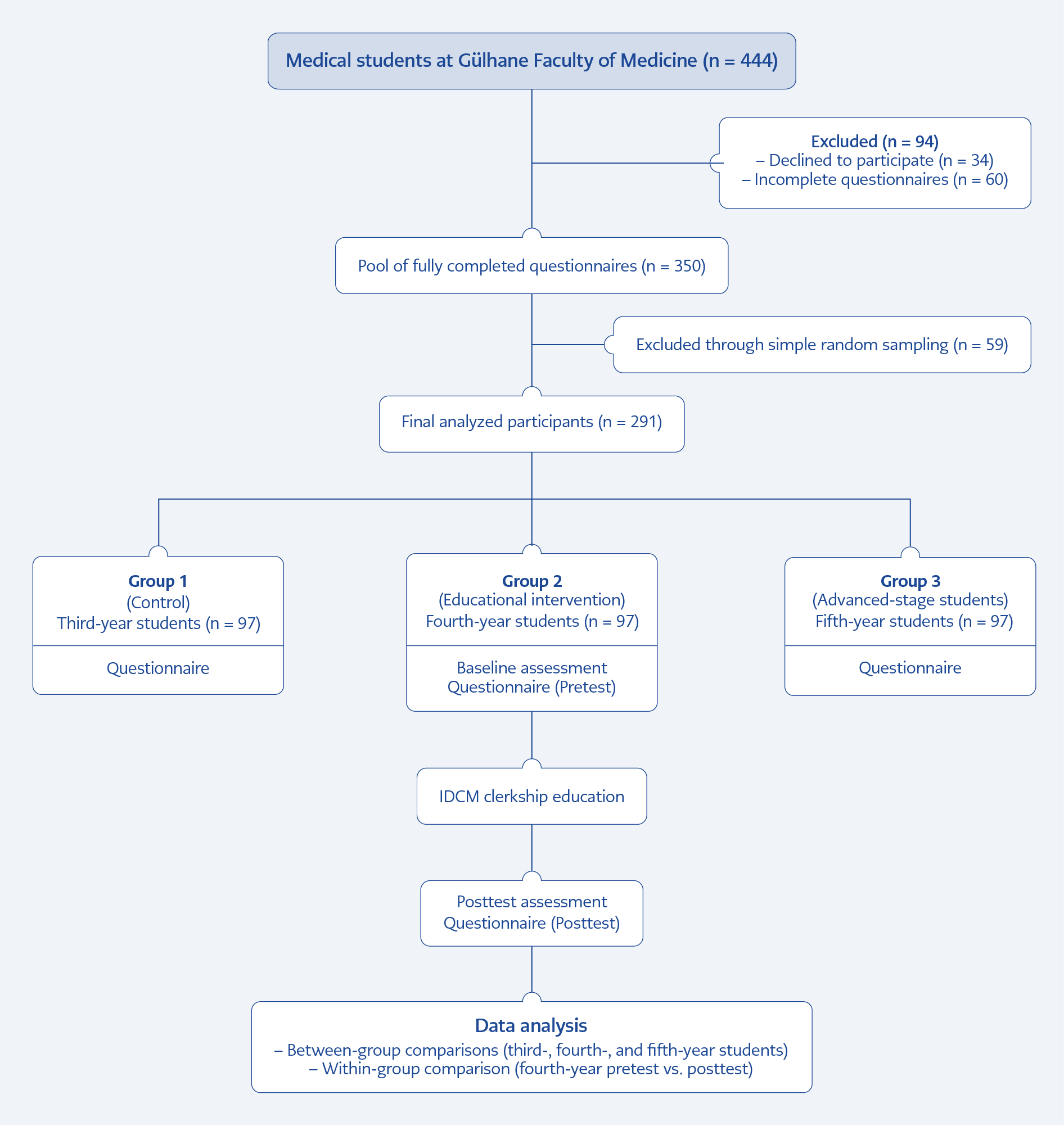
Figure 1. Study design and participant flowchart.
A questionnaire form used in data collection was administered once to third- and fifth-year students and twice to fourth-year students (before and after the clerkship). The research framework, including the distribution of participants by academic years and the sequence of the educational intervention, is illustrated in Figure 1.
This study did not follow the same individuals over time but compared different cohorts at distinct educational stages. Although fifth-year students represented a later educational stage, the comparisons were between independent cohorts rather than longitudinal follow-up of the same individuals.
The study population consisted of third-, fourth-, and fifth-year medical students at Gülhane Faculty of Medicine. A power analysis indicated that a minimum total sample size of 252 participants was required for comparisons among the three groups, with a 5% error level (α = 0.05), 95% test power (1-β), and a medium effect size (Cohen f = 0.25). To ensure balanced groups and account for potential nonresponse, the target sample size was set at 97 students per group (n = 291).
Among the 444 eligible students, those who provided complete and valid responses constituted the pool from which participants were selected. To achieve equal group sizes, 97 students were randomly selected from the complete responders in each academic year after the target sample size had been reached. Consequently, 291 of the 444 eligible students were included in the final analysis, while 153 were not included (Figure 1). The 153 excluded students comprised two groups: 94 students who declined to participate or provided incomplete data and 59 students who provided complete responses but were not selected because the target sample size of 97 students per academic year had already been reached. For the fourth-year cohort, pretest and posttest data were fully paired using unique anonymous identifiers to ensure an accurate assessment of the educational intervention.
For data collection, a web-based questionnaire comprising three sections, developed based on existing literature, was used (16).
The first section consisted of a sociodemographic questionnaire. The researchers collected information on age, sex, nationality, sources of information about HIV/AIDS, parental education level, and place of residence before entering university.
The second section consisted of the HIV/AIDS Knowledge Test. The knowledge scale comprised three subdimensions with a total of 21 items, covering routes of transmission, prevention/general knowledge, and treatment.
Knowledge levels were assessed through a series of statements with three response options: ‘true’, ‘false’, and ‘undecided.’ A score of 1 was assigned for each correct response, while incorrect or ‘undecided’ responses were scored as 0. For items where the factual statement was false (items 4, 5, 7, 9, 10, 12, 13, 14, 15, 16, 17, and 19), a ‘false’ response was recorded as a correct answer and assigned 1 point. A higher score indicated a higher level of knowledge, with a maximum possible score of 21.
The third section consisted of the HIV/AIDS Attitude Test. The attitude scale comprised 17 items, covering the positive attitude and stigma subdimensions. A five-point Likert-type scale was utilized, ranging from ‘Strongly disagree’ (1) to ‘Strongly agree’ (5). Negatively worded items (1, 4, 5, 6, 7, 8, 9, 12, 13, 15, 16, and 17) were reverse-scored to maintain directional consistency. Higher total scores, with a maximum possible score of 85, indicated more positive attitudes and lower levels of stigma.
For data collection, the HIV/AIDS Knowledge and Attitude Scales, developed and validated for the Turkish academic context by Aydemir et al. (16) was used. This is a web-based questionnaire comprising three sections and it was converted to Google forms for our study to facilitate its use by students. These scales showed high internal consistency, with a reported Cronbach’s α coefficient of 0.90 in the original validation study. Given their established reliability and the direct applicability to our study population (university students), the scales were used in their original validated format to ensure methodological consistency and comparability with existing national literature.
Statistical Analysis
Descriptive findings were presented as frequencies and percentages. The normality of the data was assessed using the Shapiro-Wilk test. Since the data did not follow a normal distribution, continuous variables were summarized using the median and minimum-maximum values.
To compare independent groups, the Kruskal-Wallis test and Mann-Whitney U test were employed. Following a significant Kruskal-Wallis test, the Dwass-Steel-Critchlow-Fligner test was performed as a post hoc analysis for pairwise comparisons. The Wilcoxon signed-rank test was used to evaluate within-group changes among fourth-year students (pretest vs. posttest).
The relationship between knowledge and attitude scores was analyzed using Spearman’s rank correlation coefficient (r). To determine the clinical significance of the findings, effect size coefficients (Cohen’s d and h) were calculated. Effect sizes were evaluated based on Cohen’s d and h thresholds: 0.2 (small), 0.5 (medium), 0.8 (large), and >1.2 (very large).
Predictors of HIV/AIDS knowledge and attitude scores were evaluated using multiple linear regression analysis. Unstandardized coefficients (β), 95% confidence intervals (CIs), and p-values were reported for each model. Statistical significance was set at p < 0.05. All statistical analyses were performed using Jamovi software (version 2.3.28; The jamovi project, Sydney, Australia).
Results
Demographic Characteristics of the Participants
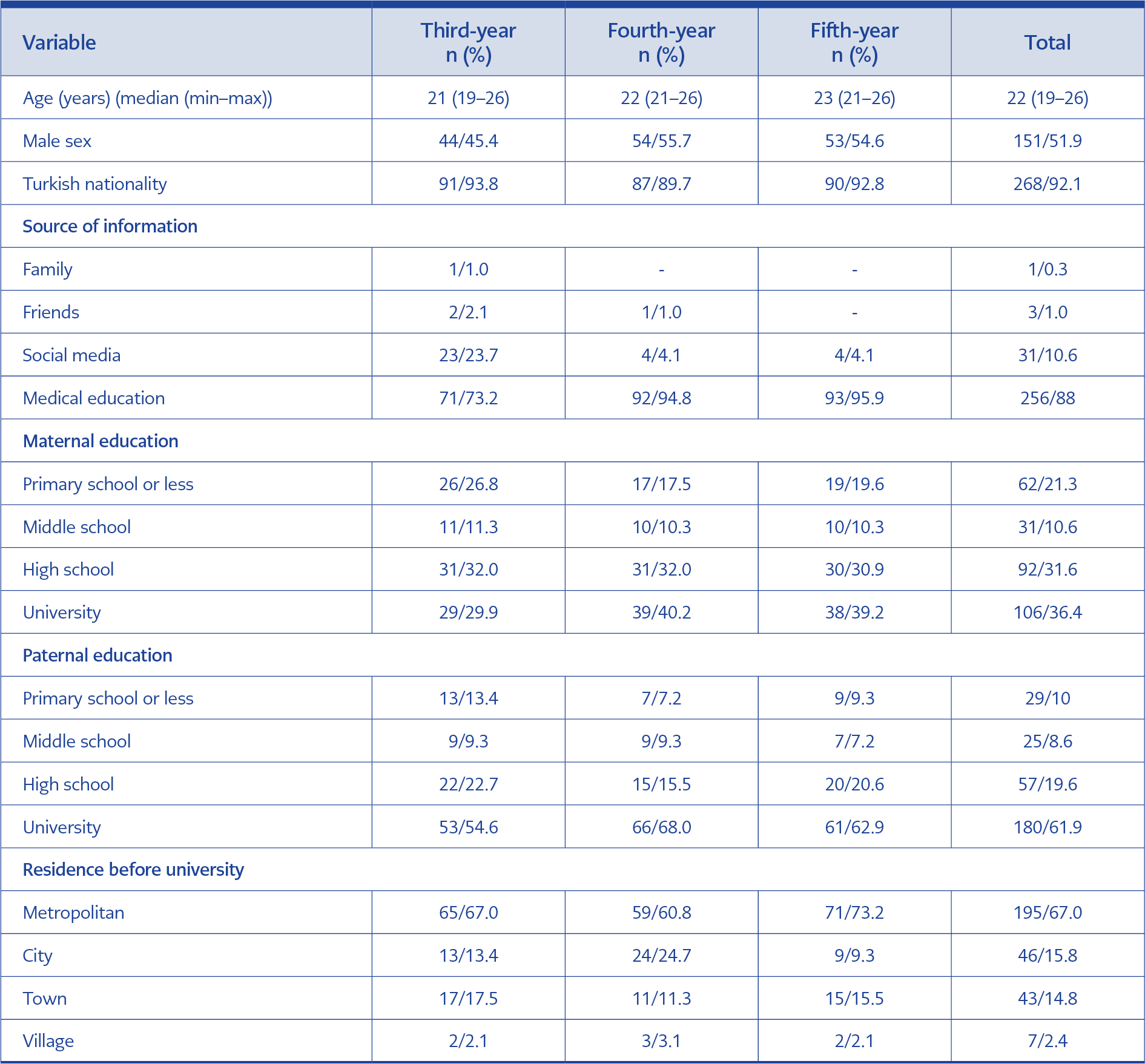
Table 1. Distribution of sociodemographic characteristics according to academic year.
The study population consisted of 291 medical students with a median age of 22 years (19–26). Of the total participants, 48.1% (n = 140) were female, and 51.9% (n = 151) were male. Regarding nationality, most students (92.1%, n = 268) were citizens of the Republic of Türkiye. The study found that most students had received information about HIV/AIDS during their medical education (88.0%), had parents who were university graduates (36.4% of mothers and 61.9% of fathers), and had lived in metropolitan areas (67.0%) before their medical education (Table 1).
Effect of the Educational Intervention (Group 2)
The IDCM clerkship significantly increased median knowledge scores, rising from 19 (9–21) at pretest to 20 (13–21) at posttest, demonstrating a moderate-to-large effect (p < 0.001, Cohen’s d = 0.72). Similarly, attitude scores increased significantly, rising from 54 (26–85) to 57 (17–85) (p = 0.002, Cohen’s d = 0.33).
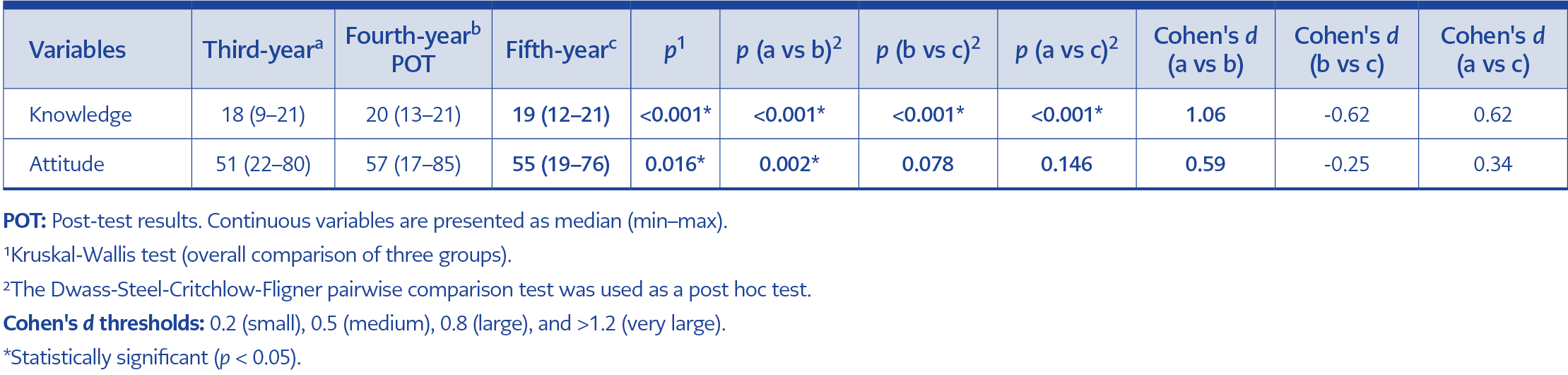
Table 2. Comparative analysis of knowledge and attitude scores.
Median knowledge scores were 18 (9–21) for third-year students, 20 (13–21) for fourth-year students (posttest), and 19 (12–21) for fifth-year students. The groups differed significantly (p < 0.001). Analysis of knowledge scores was significantly higher in the fourth-year (posttest) cohort than in the third-year cohort (p < 0.001, Cohen’s d = 1.06). Although the fifth-year cohort demonstrated significantly lower knowledge scores than the fourth-year posttest cohort (p < 0.001, Cohen’s d = -0.62), their scores remained significantly higher than those of the third-year cohort (p < 0.001, Cohen’s d = 0.62) (Table 2).
Attitude scores showed a significant difference between the third (51, 22–80), fourth (57, 17–85) (posttest), and fifth (55, 19–76) years (p = 0.016). While attitude scores were significantly higher in the fourth-year cohort than in the third-year cohort (p = 0.002, Cohen’s d = 0.59), no significant difference was observed between the fourth- and fifth-year scores (p = 0.078, Cohen’s d = -0.25). The difference between the third and fifth years also failed to reach statistical significance (p = 0.146, Cohen’s d = 0.34) (Table 2).
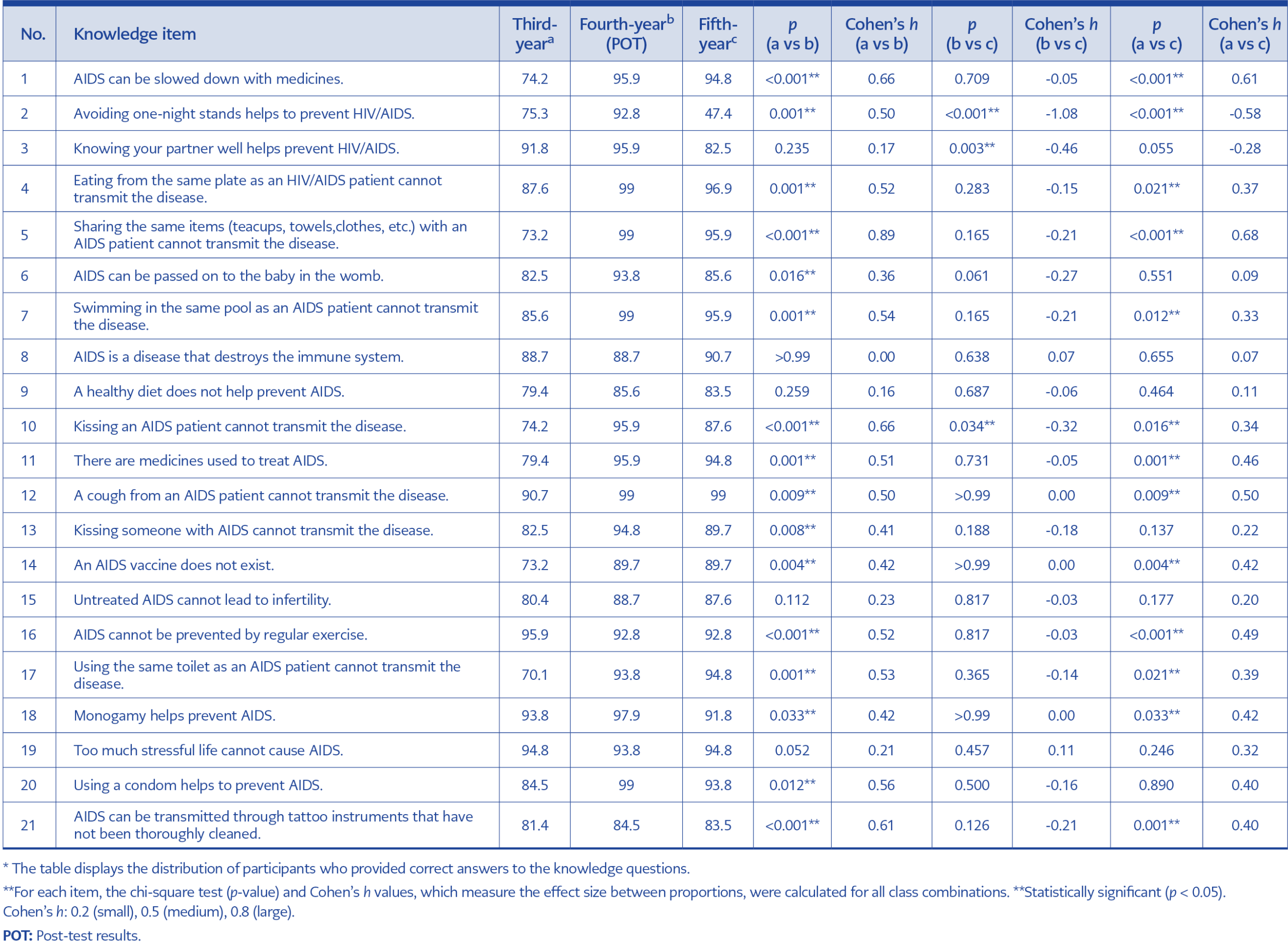
Table 3. Comparison of the percentages of correct knowledge responses by academic year (%)*.
Analysis of the participants’ correct response rates for the HIV/AIDS knowledge items (Table 3) showed that third-year students had the lowest correct response rates, particularly concerning transmission routes and technical information (items 1, 2, 5, 11, and 21). After the IDCM clerkship, fourth-year students showed statistically significant increases with large effect sizes for items such as the treatability of HIV with medication (item 1) and the correction of misconceptions regarding transmission routes (items 5, 10, and 17) (p < 0.05, Cohen’s h > 0.50). In the comparison between fifth-year and fourth-year students, no statistically significant difference was found in several knowledge items (items 1, 4, 5, 11, and 14) (p > 0.05). However, a significant decrease was observed among fifth-year students compared to the fourth-year cohort regarding specific prevention methods, such as “avoiding one-night stands” (item 2) (p < 0.001, Cohen’s h = -1.08) and “knowing one’s partner well” (item 3) (p = 0.003, Cohen’s h = -0.46). The comparison between the third- and fifth-year cohorts showed that fifth-year students had significantly higher knowledge levels for specific items related to transmission and treatability (items 1, 4, 5, 11, and 21) (p < 0.05, Cohen’s h > 0.30) (Table 3).
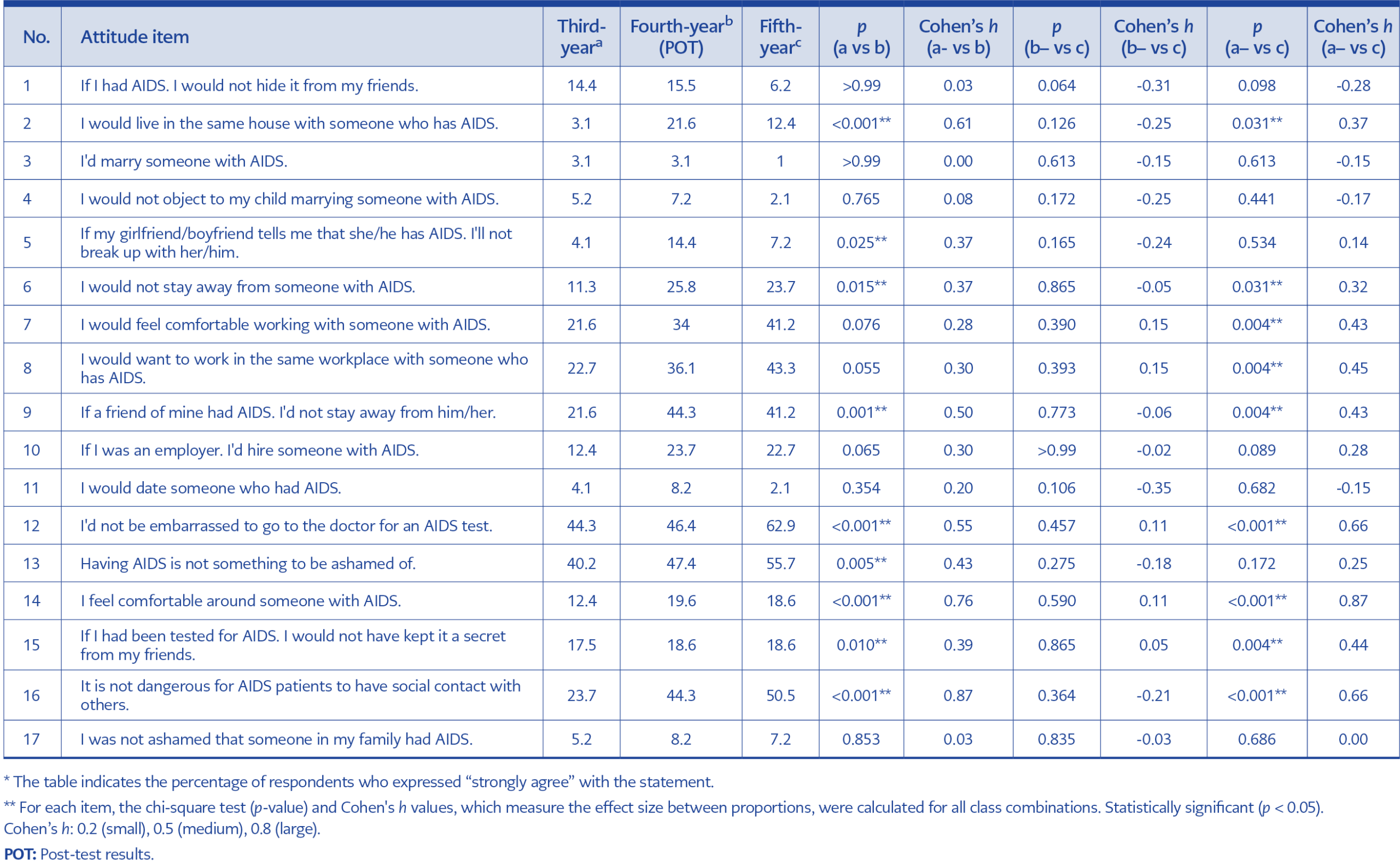
Table 4. Comparison of positive attitude response percentages by academic year (%).*
Analysis of attitude statements showed that students at all academic levels demonstrated stigmatizing attitudes toward HIV/AIDS. For items on social contact and sharing the same environment (items 2, 5, 6, 8, 9, 12,13,14,15, and 16), third-year students had the lowest baseline positive attitude rates. Following the IDCM clerkship, a statistically significant increase with a medium-to-large effect size was recorded in all of these rates among fourth-year students (p < 0.05, Cohen’s h > 0.30). Among fifth-year students, no statistically significant difference was found in most of these items compared to fourth-year students (p > 0.05). Fifth-year students showed significantly more positive attitudes on several items than the third-year cohort (p < 0.05, Cohen’s h > 0.30) (Table 4).
The examination of the relationship between knowledge and attitude scores showed no statistically significant correlation between the two within any academic year (r = 0.17, p > 0.05 for the third-year students; r = −0.038, p > 0.05 for the fourth-year students (posttest); r = −0.027, p > 0.05 for the fifth-year students).
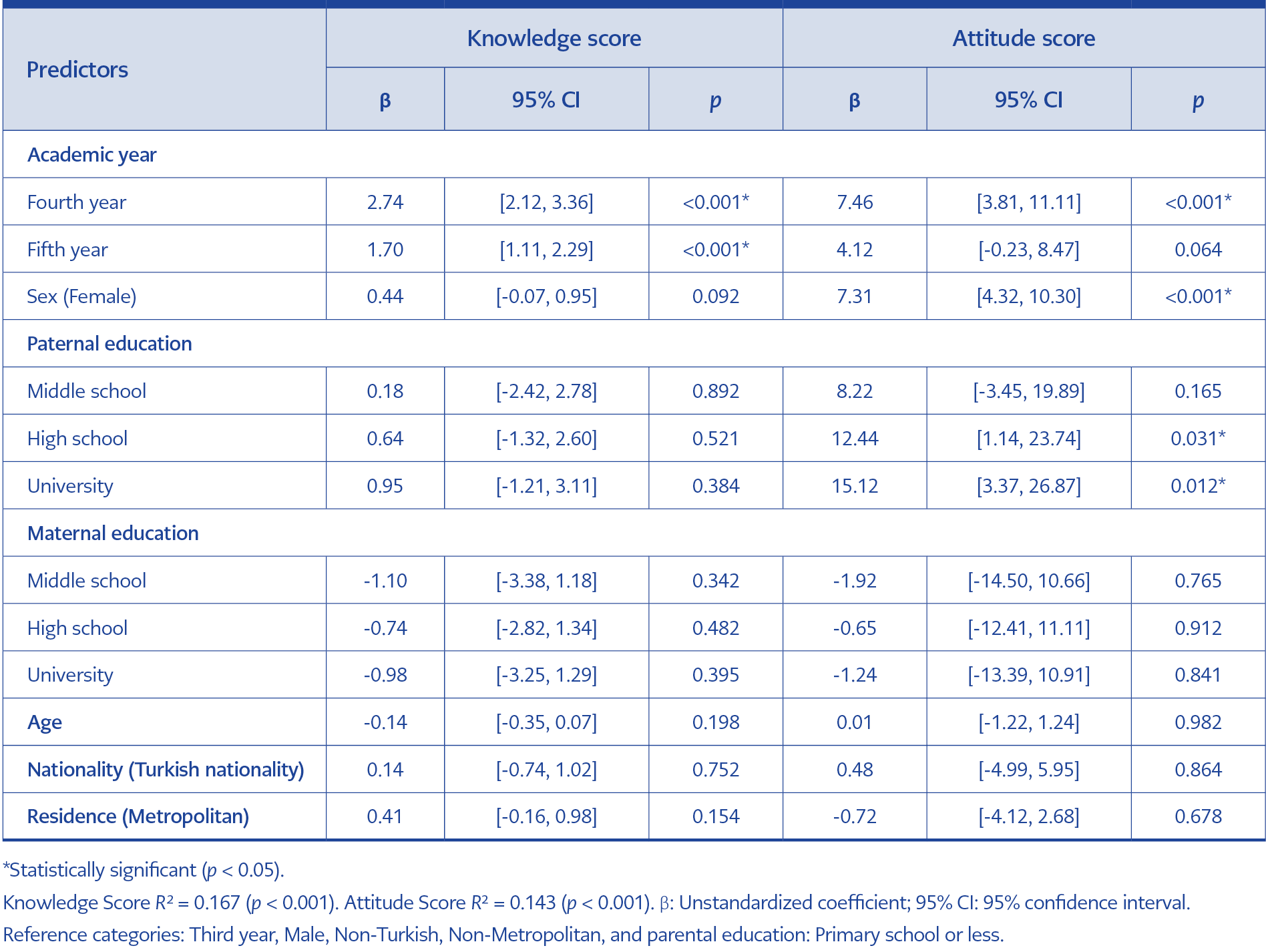
Table 5. Multiple linear regression analysis of predictors of HIV/AIDS knowledge and attitude scores.
Multiple linear regression analysis identified the IDCM clerkship (fourth-year posttest: β = 2.74, p < 0.001) as a strong independent predictor of higher knowledge scores. Furthermore, positive attitudes toward HIV/AIDS were significantly predicted by female sex (β = 7.31, p < 0.001) and completing the IDCM clerkship (fourth-year posttest: β = 7.46, p < 0.001). Additionally, higher paternal education was an independent predictor, specifically at the high school (β = 12.44, p = 0.031) and university levels (β = 15.12, p = 0.012) (Table 5).
Discussion
This cross-sectional study evaluated the differences in HIV/AIDS-related knowledge and attitudes associated with the IDCM clerkship among medical students at different academic stages. Our findings indicated that fifth-year students had lower knowledge scores compared with the immediate post-clerkship fourth-year group, although their scores remained higher than those of the third-year pre-clerkship group. Rather than indicating a longitudinal “decline,” this observation highlights cross-sectional differences between students at distinct stages of medical training and suggests that knowledge patterns may vary across academic years. These findings underscore the potential value of reinforcing HIV/AIDS-related topics throughout the curriculum.
Our research found that the baseline knowledge score of third-year students was 18 (9–21). Compared to a previous thesis study in Türkiye that used the same scale and reported a median knowledge score of 12 (0–21) among 304 first-year medical students (17), our findings suggest that students at more advanced stages of medical education may have greater HIV/AIDS-related knowledge than students at earlier stages. However, the largest difference in our paired analysis of fourth-year students was observed after completion of the IDCM clerkship. This suggests that while preclinical education provides a foundation, the comprehensive theoretical information and practical clinical exposure provided during the IDCM clerkship are associated with higher knowledge scores. Furthermore, knowledge scores in the fifth-year cohort indicate that later academic cohorts had higher knowledge scores after progressing through the curriculum, including clerkship.
Consistent with our findings, previous research has indicated that positive attitudes toward HIV/AIDS are often insufficient during the early years of medical education (13,17). While our results show that higher positive attitude scores were observed in more advanced academic years, a distinct pattern emerged: compared with the differences in knowledge scores, variations in attitude scores were more modest. Interestingly, cross-sectional differences between fourth- and fifth-year cohorts suggest that while knowledge scores were lower in the senior group, attitude scores did not differ significantly between these two cohorts. The more favorable attitude scores observed among post-clerkship cohorts might be associated with the inclusion of direct patient contact within the IDCM clerkship. These findings suggest that clinical exposure may be relevant to the development of more favorable professional attitudes even when specific knowledge scores differ between academic cohorts.
Specifically, the improved understanding that transmission does not occur through sharing household items highlights the potential role of evidence-based education in reducing fears related to casual contact. Conversely, the persistent differences in response to items involving personal judgment—such as marriage or dating—indicate that standard medical education alone may require supplementation with more focused strategies, including role modeling and patient narratives, to effectively address these socio-cultural dimensions of stigma. However, these item-level patterns must be interpreted with caution, as our descriptive analysis focuses primarily on the upper extreme of the response spectrum (“strongly agree” responses), which potentially oversimplifies the broader ordinal distribution of student attitudes across the full Likert scale.
This aligns with the findings of Marshall et al. (18), who noted that working in HIV clinics enhanced medical students’ knowledge and willingness to support PLHIV. Similarly, the attitudes of both students and healthcare personnel may be significantly influenced by their direct clinical experiences. Tavakoli et al. (10), in a study evaluating 400 healthcare professionals in Iran, revealed that personnel working in voluntary HIV counseling and testing centers exhibited the lowest stigma scores. Furthermore, previous clinical experience in providing care for PLHIV was independently linked to reduced stigmatization (10). These findings are consistent with our observation that active involvement in the clinical management of HIV/AIDS may be associated with more favorable professional attitudes and lower discriminatory tendencies.
Our research indicates that while the IDCM clerkship is associated with positive outcomes, additional strategies may be necessary to facilitate a more profound shift in student attitudes. Peer education may represent a potential strategy in this context. Previous studies among various youth cohorts have demonstrated that peer-led interventions significantly improve attitudes toward HIV/AIDS (19–22). For instance, a Turkish study found that education provided by peer counselors not only increased knowledge levels but also fostered more positive attitudes among nursing students (19). Furthermore, Ergene et al. (22) demonstrated in a controlled study that peer education was more effective than traditional academic teaching in promoting favorable attitudinal changes. Integrating peer-led discussion groups or mentorship programs within the medical curriculum could help bridge the gap between formal clinical instruction and the reshaping of personal values.
Beyond traditional clerkship rotations, interactive educational formats have also proven effective in reducing stigma. For instance, Machowska et al. (23) demonstrated that a multimodal workshop—utilizing animated videos and interactive discussions—led to significant improvements in both knowledge and attitudes, particularly among medical students. This suggests that incorporating diverse pedagogical tools into the medical curriculum can complement clinical training, thereby enhancing attitudinal change and reinforcing the educational outcomes associated with the IDCM clerkship.
Multiple linear regression analysis further identified completion of the IDCM clerkship as independently associated with higher knowledge and attitude scores. Interestingly, it also identified female sex and a higher paternal education—a variable rarely highlighted in existing literature—as significant predictors of positive attitudes. While some previous medical studies have reported no sex-based differences, our findings align with broader psychological research suggesting that women generally demonstrate higher empathy and a greater tendency to challenge social prejudices (10,11,24,25).
Furthermore, the high regression coefficients observed for paternal education suggest an association between family educational background and attitudes toward HIV/AIDS. The association between paternal education and positive attitudes—a finding that remained significant after adjustment for other variables in our regression model—suggests that students’ sociocultural backgrounds may contribute to the development of professional values alongside formal medical education. However, given the cross-sectional nature of our study, this relationship should be interpreted as an association rather than causation. It is plausible that families with higher educational attainment foster critical thinking and empathy, which in turn may predispose students to challenge societal prejudices, including those related to HIV. These findings warrant further validation through longitudinal studies with larger, more diverse cohorts.
Our observations align with recent national literature highlighting the ongoing systemic challenge of HIV-related stigma among healthcare trainees and practicing healthcare professionals in Türkiye. Recent studies conducted across various Turkish university hospitals consistently report that even when foundational medical knowledge is relatively high among resident physicians, interns, and nurses, biased attitudes, particularly regarding occupational transmission risks and casual social contact, are frequently documented. For instance, Türkoğlu Yılmaz et al. (26) demonstrated that a significant proportion of resident physicians harbored reservations regarding surgical interventions and social interactions with PLHIV; this finding is consistent with the persistence of concerns related to personal judgments and social contact. Similarly, Özçelik et al. (27) identified stigma within clinical settings as a primary barrier to healthcare access in Türkiye, noting that this phenomenon often correlates with reports of limited practical experience during undergraduate education. Furthermore, the observation by Akdemir Kalkan et al. (28) that younger healthcare workers may report higher anxiety regarding casual contact compared to their more experienced colleagues is consistent with our findings that the post-clerkship period is significantly associated with higher scores in professional values and distinct anxiety patterns.
The roots of these prejudices among healthcare professionals may be closely linked to structural gaps in medical and dental curricula. A recent study by Bahadir et al. (29) among medical interns revealed that 44.1% of participants did not feel a professional responsibility to treat PLHIV, 25.1% preferred not to work with these patients if given a choice, and 26.4% believed that physicians possess a legal right to refuse treatment based solely on a patient’s HIV-positive status. In the same study, male sex and higher levels of religiosity were identified as factors exacerbating discriminatory attitudes, whereas participation in extracurricular HIV trainings (such as on-governmental organization activities or seminars) acted as a mitigating factor; these findings further support our conclusions regarding the importance of the content and scope of HIV education. In fact, Koseoglu Ornek et al. (30) demonstrated that persistent misconceptions regarding transmission routes among physicians and nurses in hospital settings may contribute to fear-based stigma. More importantly, their finding that higher educational attainment or longer professional tenure is not invariably associated with lower stigma levels reinforces our argument that healthcare education must extend beyond theoretical knowledge transfer and be structured to address core values and stereotypes actively.
Similar avoidance and stigmatizing behaviors emerge as a widespread concern within the field of dentistry. A review of the literature indicates that both dental students (31) and practicing dentists (32) exhibit gaps in contemporary HIV-related knowledge—particularly concerning modern paradigms such as the “Undetectable = Untransmittable” (U = U) principle—and this gap may contribute to reluctance to provide care to PLHIV. This situation suggests that the principle of standard infection control precautions (standard precautions), which necessitates applying the same infection control measures to all patients regardless of their infection status, may not be fully internalized by some dental professionals.
When positioning our results within this current national framework, it becomes evident that structured and standardized clinical rotations, such as the IDCM clerkship, serve as critical educational instruments. These clerkships are essential not only for addressing theoretical knowledge gaps but also for potentially reducing documented trends of healthcare-related stigma and discrimination in Türkiye. Our study is grounded in a well-defined methodological framework, encompassing different academic stages, a pretest-posttest assessment structure, and a sample size determined by power analysis. Multivariate regression and effect size analyses further strengthen the interpretation of our findings.
However, several limitations must be acknowledged. The cross-sectional design precludes the longitudinal monitoring of individual-level changes, and the study may be subject to social desirability bias and the single-center nature of the research, which may limit the generalizability of the results. Additionally, although the scales were previously validated for the target population, internal consistency metrics (such as Cronbach’s α) were not computed specifically for the current sample, which represents a psychometric limitation. Furthermore, while we identified paternal education as a significant correlate of positive attitudes, the cross-sectional design precludes establishing causality or directionality in this relationship. Unmeasured familial or socioeconomic factors may confound the observed association. The voluntary nature of participation may have introduced selection bias, as students with a pre-existing interest in HIV/AIDS or more progressive attitudes might have been more likely to respond. This could lead to an overestimation of the overall knowledge and positive attitude levels within the student body. Another limitation concerns the presentation of item-level attitude data. While total scores were analyzed using the full ordinal range of the Likert scale, the item-level reporting in Table 4 focuses on “strongly agree” responses to highlight the most distinct differences between cohorts. This approach deliberately reduces the ordinal response spectrum, which may oversimplify the distribution of responses across the five-point scale. Readers must keep this limitation in mind, as the item-level interpretations do not reflect shifts across the entire spectrum of agreement or disagreement, but rather represent distinct variations at the highest threshold of positive attitude. We recognize that several items in the attitude scale utilize “legacy” terminology that may be perceived as stigmatizing or insensitive by contemporary clinical standards. However, to preserve the validity of the standardized instrument and ensure the comparability of our results with previous national data, the original wording was maintained. We acknowledge that such phrasing might have inadvertently influenced how participants perceived or reacted to certain questions. This highlights the urgent need for the development and validation of updated HIV-related stigma scales that reflect modern, person-centered language in future medical education research.
In conclusion, completion of the IDCM clerkship was independently associated with significantly higher HIV/AIDS knowledge scores among medical students; however, the differences observed across cohorts suggest that differences in professional attitudes do not strictly parallel cognitive scores. These findings indicate that curriculum design at later stages may benefit from additional psychosocial and ethical components alongside biomedical training. Medical knowledge may be insufficient to dismantle deeply rooted social prejudices. Therefore, medical education should aim to integrate biomedical facts with psychosocial and ethical components to support the development of compassionate healthcare professionals.