Introduction
Approximately 44 million people have died from acquired immunodeficiency syndrome (AIDS)-related illnesses resulting from infection with the human immunodeficiency virus (HIV) (1). However, with increased access to effective prevention, diagnosis, treatment, and care services, HIV infection has become a manageable chronic condition. Access to effective antiretroviral therapy (ART) has significantly reduced AIDS-related mortality among people living with HIV (PLWH), leading to increased life expectancy (2). Despite achieving undetectable viral loads through ART, chronic persistent inflammation associated with HIV infection continues (3). This ongoing immune activation and inflammation may accelerate the normal aging process (4). As PLWH live longer, comorbidities are becoming increasingly common, and serious non-AIDS events tend to occur at earlier ages compared with people without HIV (PWoH) (5).
The CD4+/CD8+ ratio is increasingly recognized as a clinically important marker of systemic immune activation and residual inflammation in PLWH (6,7). Despite effective ART, a persistently low CD4+/CD8+ ratio reflects ongoing immune activation and has been associated with a higher risk of both AIDS-related and non-AIDS-related morbidity and mortality (6,8).
Investigating factors associated with CD4+/CD8+ ratio normalization (CD4+/CD8+ ≥1) can help in stratifying patients who may benefit from closer monitoring and targeted interventions (8–10). A CD4+/CD8+ ratio of ≥1 has been widely adopted as a benchmark for immune recovery and has been associated with reduced inflammation and a lower risk of both AIDS and non-AIDS morbidity (6,7,11).
This study aimed to determine the rate of CD4+/CD8+ ratio normalization in a single-center cohort of PLWH receiving effective ART, and to explore factors associated with normalization.
Materials and Methods
This retrospective cohort study included patients diagnosed with HIV infection between January 2010 and December 2017 who initiated ART, maintained regular follow-up for at least 5 years, had available laboratory data at baseline and at year five, achieved virological suppression within the first year of ART initiation, and were aged 18 years or older. Patients who discontinued therapy, were lost to follow-up within 5 years, died during follow-up, or had a baseline CD4+/CD8+ ratio ≥1 were excluded from the study.
Demographic and clinical data were retrospectively obtained from electronic hospital records (Microsoft Access 2003 and the Hospital Information Management System). Recorded parameters included age, sex, and sexual orientation (heterosexual, men who have sex with men [MSM], bisexual); dates of HIV diagnosis and ART initiation; CD4+ and CD8+ T-cell counts (ells/μL), CD4+/CD8+ ratio, and HIV RNA level (IU/mL) at baseline and at year 5; serologic markers for hepatitis B virus (HBsAg, anti-HBs), hepatitis C virus (anti-hepatitis C virus [HCV], HCV RNA), syphilis (venereal disease research laboratory [VDRL] test and Treponema pallidum hemagglutination assay [TPHA]), and cytomegalovirus (CMV) immunoglobulin G (IgG); current and past ART regimens and durations; history of opportunistic infections and comorbidities (e.g., diabetes, hypertension, and cardiovascular disease); and time to viral suppression and time to CD4+/CD8+ ratio normalization.
Opportunistic infections diagnosed before or at ART initiation were recorded. HIV-associated dementia was defined retrospectively as documented cognitive impairment that significantly interfered with daily functioning and could not be explained by other conditions. Time to virological suppression was defined as the interval between ART initiation and the first documented plasma HIV-1 RNA result below the assay’s lower limit of quantification (LLOQ), as reported by the laboratory.
Time to CD4+/CD8+ ratio normalization was defined as the interval between ART initiation and the first visit at which the CD4+/CD8+ ratio reached ≥1 among patients who achieved normalization. CD4 and CD8 T-cell counts, and CD4+/CD8+ ratios were measured at baseline, at approximately 3 months, and at 6-month intervals thereafter.
Acute retroviral syndrome was defined retrospectively as a documented clinical presentation with recent high-risk exposure and mononucleosis-like symptoms, including fever, pharyngitis, lymphadenopathy, and fatigue. Because laboratory criteria confirming acute HIV infection were not consistently available, this variable was interpreted as clinically suspected acute retroviral syndrome rather than laboratory-confirmed acute HIV infection.
Cytomegalovirus retinitis was defined as an ophthalmologist-diagnosed condition based on characteristic retinal findings on dilated funduscopic examination. Pulmonary CMV disease was recorded as suspected CMV pneumonitis when compatible clinical and radiological findings and CMV detection in bronchoalveolar lavage by polymerase chain reaction (PCR) were documented in the absence of an alternative diagnosis. Because histopathological or cytological confirmation was not consistently available, these cases were not classified as proven CMV pneumonitis.
A CD4+/CD8+ ratio ≥1 was considered to indicate immunological normalization. Syphilis was defined as newly diagnosed active syphilis based on TPHA positivity in conjunction with VDRL results, clinical findings, and relevant clinical and risk history. Patients with previously treated syphilis were not included as syphilis cases. Disease stage was classified as primary, secondary, neurosyphilis, or latent syphilis based on clinical presentation, risk history, and serological findings. Syphilis cases were classified according to disease stage as primary, secondary, neurosyphilis, or latent syphilis based on clinical presentation and serological findings.
Comorbidities were defined and recorded based on documented clinical diagnoses, laboratory or imaging findings, medication use, and relevant criteria recommended in the European AIDS Clinical Society (EACS) Guidelines where applicable (12). Definitions of CMV retinitis and suspected CMV pneumonitis were additionally considered in accordance with the adult and adolescent HIV opportunistic infection guidelines (13).
Diabetes was defined as HbA1c ≥6.5% or current use of antidiabetic medication. Prediabetes (HbA1c 5.7–6.4%) and diabetes were grouped together. Dyslipidemia was defined as fasting triglycerides ≥150 mg/dL, HDL cholesterol <40 mg/dL in men or <50 mg/dL in women, LDL cholesterol ≥130 mg/dL, or use of lipid-lowering medication.
Bone mineral density was assessed using T-scores (in men aged >50 years and postmenopausal women) and Z-scores (in younger individuals). Osteopenia was defined as a T-score between -1.0 and -2.5, and osteoporosis as a T-score ≤-2.5.
Descriptive statistics were presented as means with standard deviations, medians with minimum and maximum values, or frequencies and percentages, as appropriate. The distribution of continuous variables was assessed using the Kolmogorov-Smirnov test. The Mann-Whitney U test was used for comparisons of non-normally distributed continuous variables. The chi-square test or Fisher’s exact test was used for categorical variables. Spearman’s rank correlation coefficients (rs) were calculated to explore the association between time to CD4+/CD8+ ratio normalization and baseline immunological parameters (CD4+ and CD8+ T-cell counts and CD4+/CD8+ ratio). Statistical analyses were performed using IBM SPSS Statistics for Windows, version 28.0 (IBM Corp., Armonk, NY, USA). A p-value <0.05 was considered statistically significant.
Multivariable logistic regression analysis was performed to evaluate factors independently associated with CD4+/CD8+ ratio normalization. Variables considered clinically relevant and/or associated with normalization in univariable analyses were evaluated for inclusion in the multivariable model.
This study was approved by the Clinical Research Ethics Committee of İstanbul Training and Research Hospital on July 22, 2022, with decision No. 233.
Results
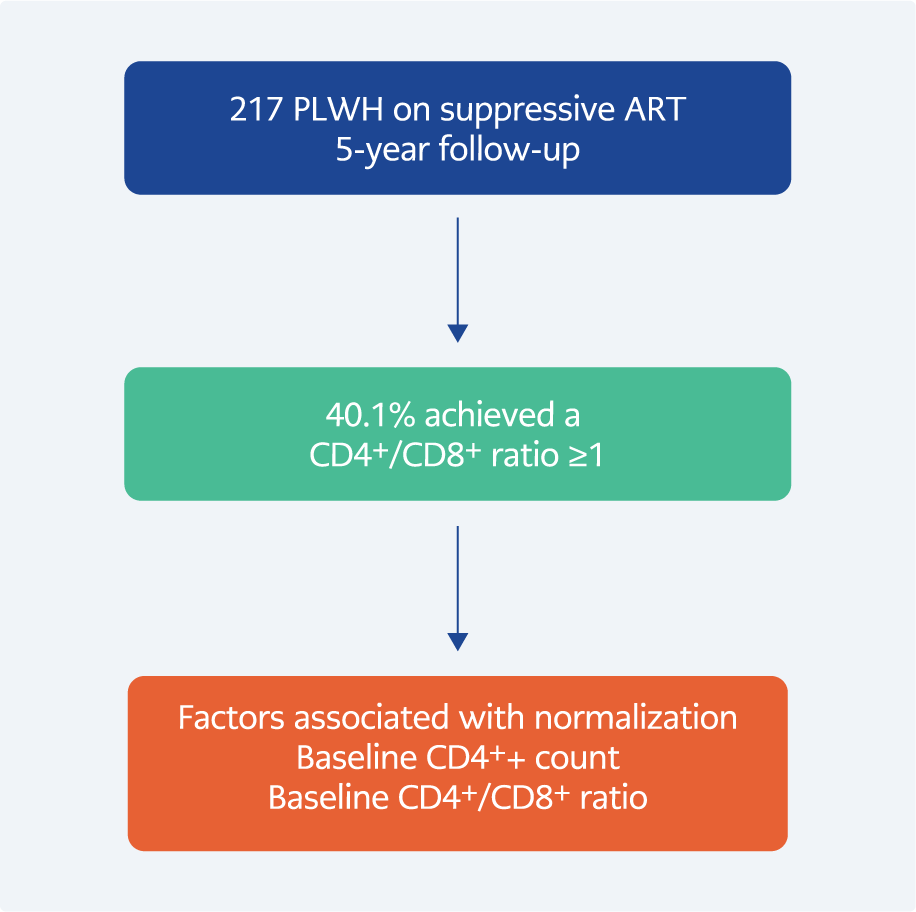
Figure 1. CD4+/CD8+ Ratio Normalization During Long-Term ART
A total of 422 patients initiated ART between January 2010 and December 2017. Of these, 55 patients who discontinued treatment, 111 who were lost to follow-up, and 12 who died were excluded. Additionally, 19 patients with a baseline CD4+/CD8+ ratio ≥1 and 8 patients who did not achieve viral suppression within the first year were excluded (Figure 1). The final study population consisted of 217 patients who achieved viral suppression within one year and received ART for at least five years.
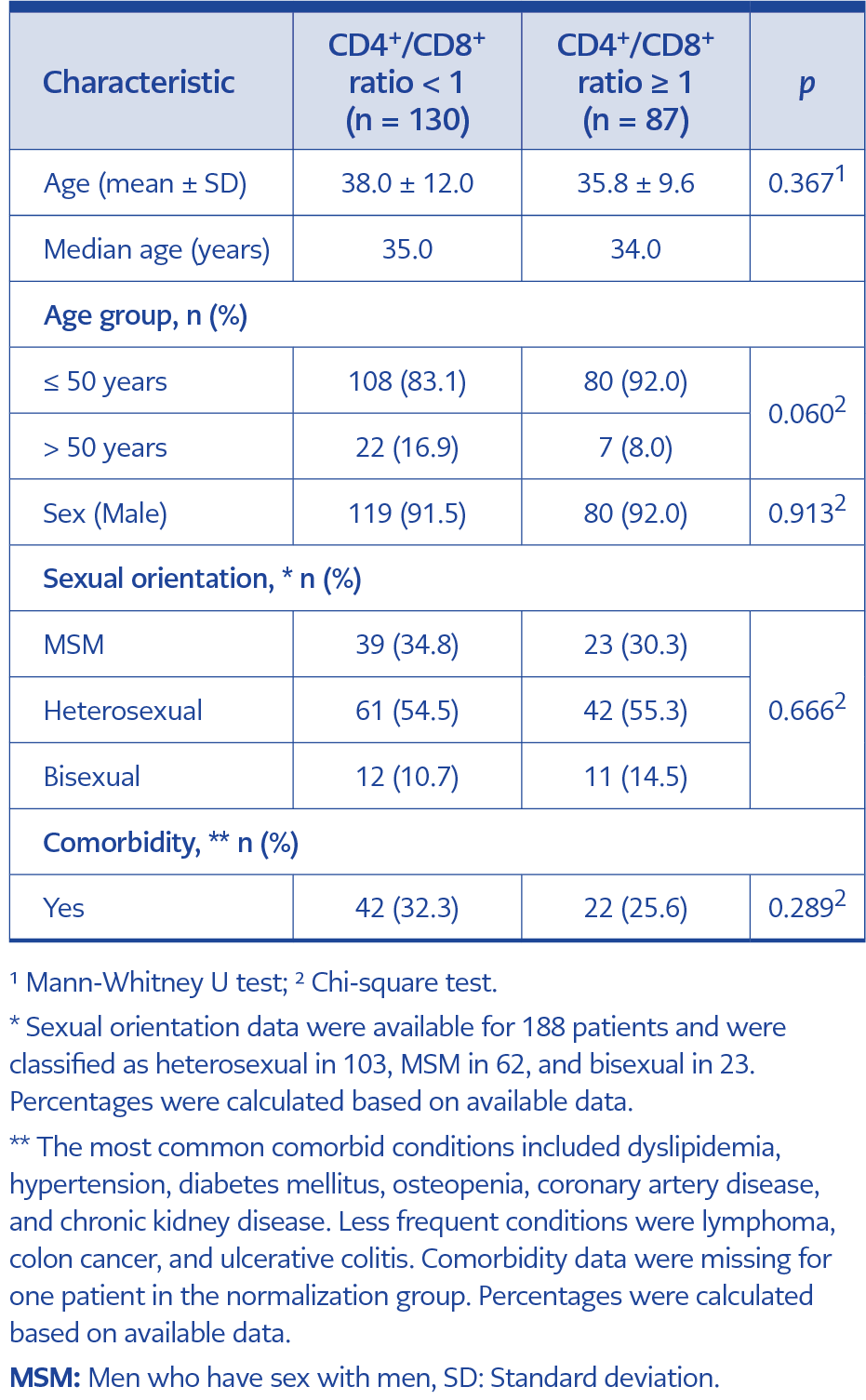
Table 1. Association of CD4+/CD8+ ratio normalization and demographic and clinical characteristics.
The mean age was 37.1 ± 11.2 years (median 35; range 18–73), and 91.7% (n = 199) were male. Sexual contact was the predominant transmission route (n = 198, 91.2%) (Table 1).
Co-infections included hepatitis B virus (HBV) in 4.6% (n = 10), HCV in 2.3% (n = 5), and syphilis in 28.1% (n = 61) of patients. Among patients with syphilis, 3 (4.9%) had primary syphilis, 3 (4.9%) had secondary syphilis, 2 (3.3%) had neurosyphilis, and 53 (86.9%) had latent syphilis. All patients with HCV infection received direct-acting antiviral therapy, and sustained virological response at week 24 was achieved in all cases.
Opportunistic infections were identified in 52 patients. The most common was tuberculosis (n = 25, 11.5%), followed by herpes zoster (n = 11, 5.1%), Pneumocystis jirovecii pneumonia (PCP) (n = 7, 3.2%), CMV disease, including suspected CMV pneumonitis and CMV retinitis (n = 6, 2.8%), esophageal candidiasis (n = 5, 2.3%), Kaposi’s sarcoma (n = 4, 1.8%), cryptococcal meningitis (n = 3, 1.4%), HIV-associated dementia (n = 1, 0.5%), and toxoplasma encephalitis (n = 1, 0.5%). Six patients had multiple OIs.
Additionally, clinically suspected acute retroviral syndrome was documented in 4.1% (n = 9) of the cohort, while CMV IgG seropositivity was common (114/118, 96.7%).
To explore factors associated with complete CD4+/CD8+ ≥1, demographic characteristics were compared between patients with and without normalization. No significant differences were observed in age, sex, sexual orientation, or comorbidity status (Table 1). At baseline, 64 patients (29.5%) had at least one chronic comorbidity. The most common conditions were dyslipidemia (n = 26, 12.0%), hypertension (n = 14, 6.5%), diabetes mellitus (n = 12, 5.5%), and osteopenia (n = 14, 6.4%), whereas other comorbidities were infrequent.
Additionally, patients were stratified by age into two groups: ≤50 years and >50 years. Although the normalization rate was lower in the >50 age group (24.1% vs. 42.6%), the difference was not statistically significant (p = 0.060, chi-square test). Baseline CD4+ T-cell counts were lower in the >50 group (319 ± 258 vs. 370 ± 229), but this difference was not statistically significant (p = 0.155, Mann-Whitney U test). In contrast, CD8+ T-cell counts were significantly higher (1308 ± 755 vs. 942 ± 524; p = 0.006, Mann-Whitney U test), and CD4+/CD8+ ratios were significantly lower (0.31 ± 0.35 vs. 0.44 ± 0.29; p = 0.002, Mann-Whitney U test) in patients >50 years.
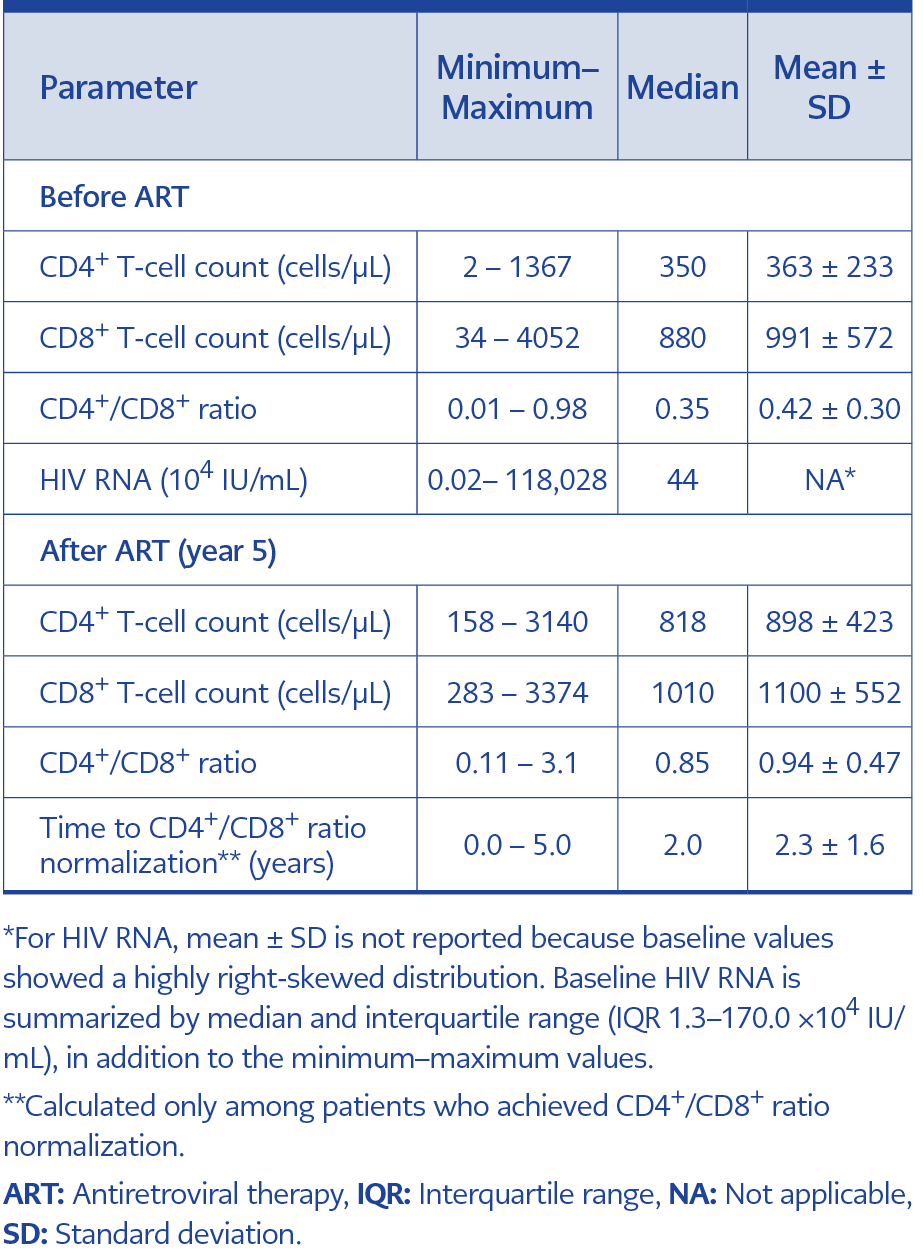
Table 2. Baseline and follow-up immunovirological parameters of the study cohort.
Baseline and follow-up immunovirological parameters are presented in Table 2. CD4+ T-cell counts and the CD4+/CD8+ ratio increased during treatment. CD8+ T-cell levels, however, remained relatively stable. At year five, 187 patients (86.2%) had a CD4+ T-cell count >500 cells/μL, and 87 patients (40.1%) achieved CD4+/CD8+ ≥1.
In Spearman’s correlation analyses restricted to patients who achieved CD4+/CD8+ ratio normalization, longer time to normalization was significantly associated with lower baseline CD4+ T-cell counts (rs = -0.393, p < 0.001) and lower baseline CD4+/CD8+ ratios (rs = -0.539, p < 0.001). In contrast, no significant correlation was observed between time to normalization and baseline CD8+ T-cell counts (rs = 0.182, p = 0.093).
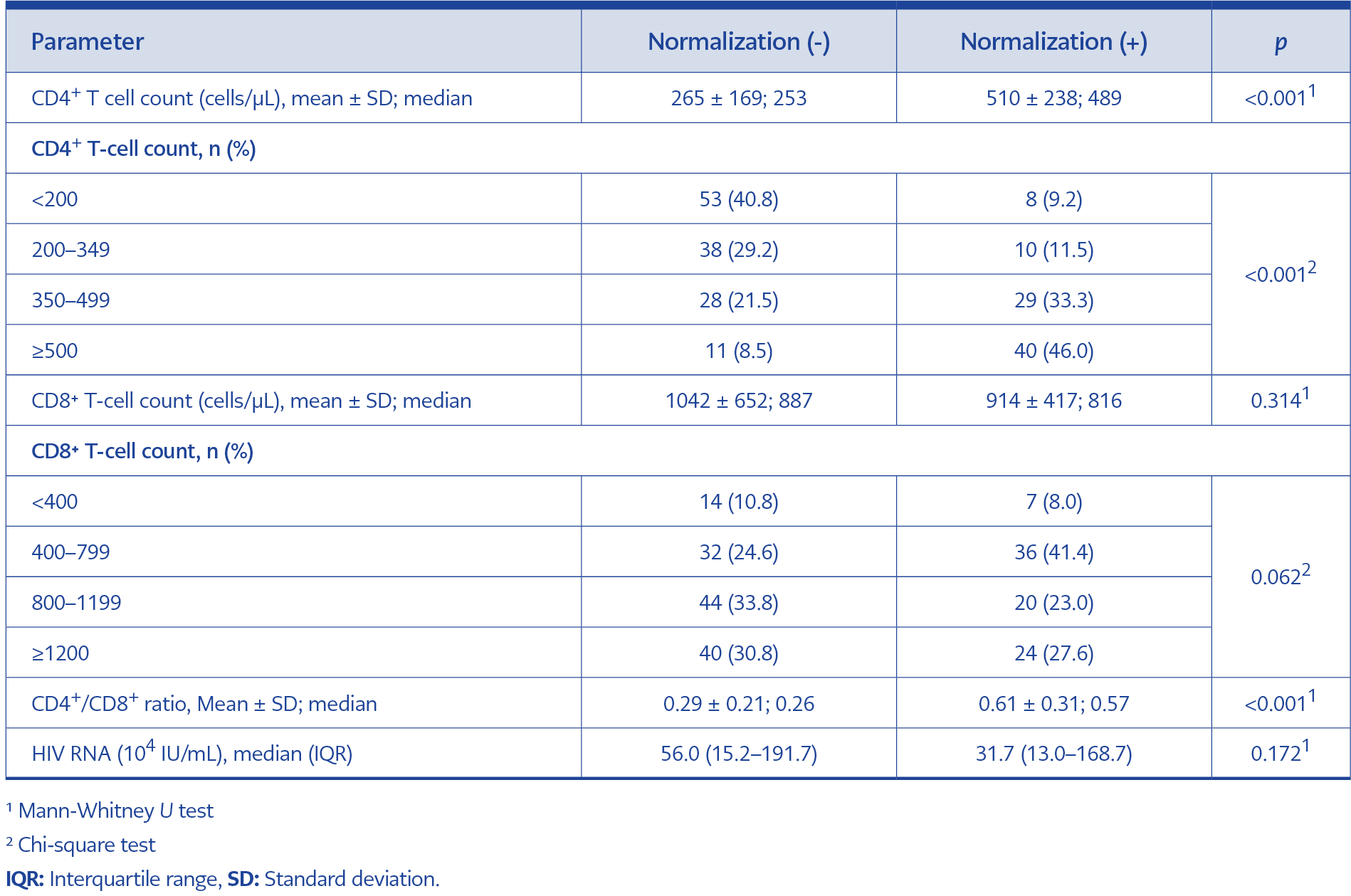
Table 3. Comparison of baseline immunovirological characteristics between patients with and without CD4+/CD8+ ratio normalization.
Patients who achieved CD4+/CD8+ ≥1 had significantly higher baseline CD4+ counts and CD4+/CD8+ ratios (both p < 0.001) but did not differ in baseline CD8+ counts or HIV-1 RNA levels (p > 0.05). Comparative baseline immunovirological data for these subgroups are shown in Table 3.
Opportunistic infections were significantly more frequent among patients without CD4+/CD8+ ≥1 compared to those with normalization (31.5% vs. 12.6%, p = 0.001; chi-square test). Tuberculosis (15.4% vs. 5.7%), herpes zoster (6.2% vs. 3.4%), PCP (4.6% vs. 1.1%), esophageal candidiasis (3.1% vs. 1.1%), Kaposi’s sarcoma (3.1% vs. 0%), cryptococcal meningitis (2.3% vs. 0%), suspected CMV pneumonitis and CMV retinitis (2.3% each vs. 0%), and toxoplasma encephalitis (0.8% vs. 0%) were all observed more frequently in the non-normalized group. In contrast, HIV-associated dementia was observed only among patients who achieved CD4+/CD8+ ≥1 (1.1% vs. 0%).
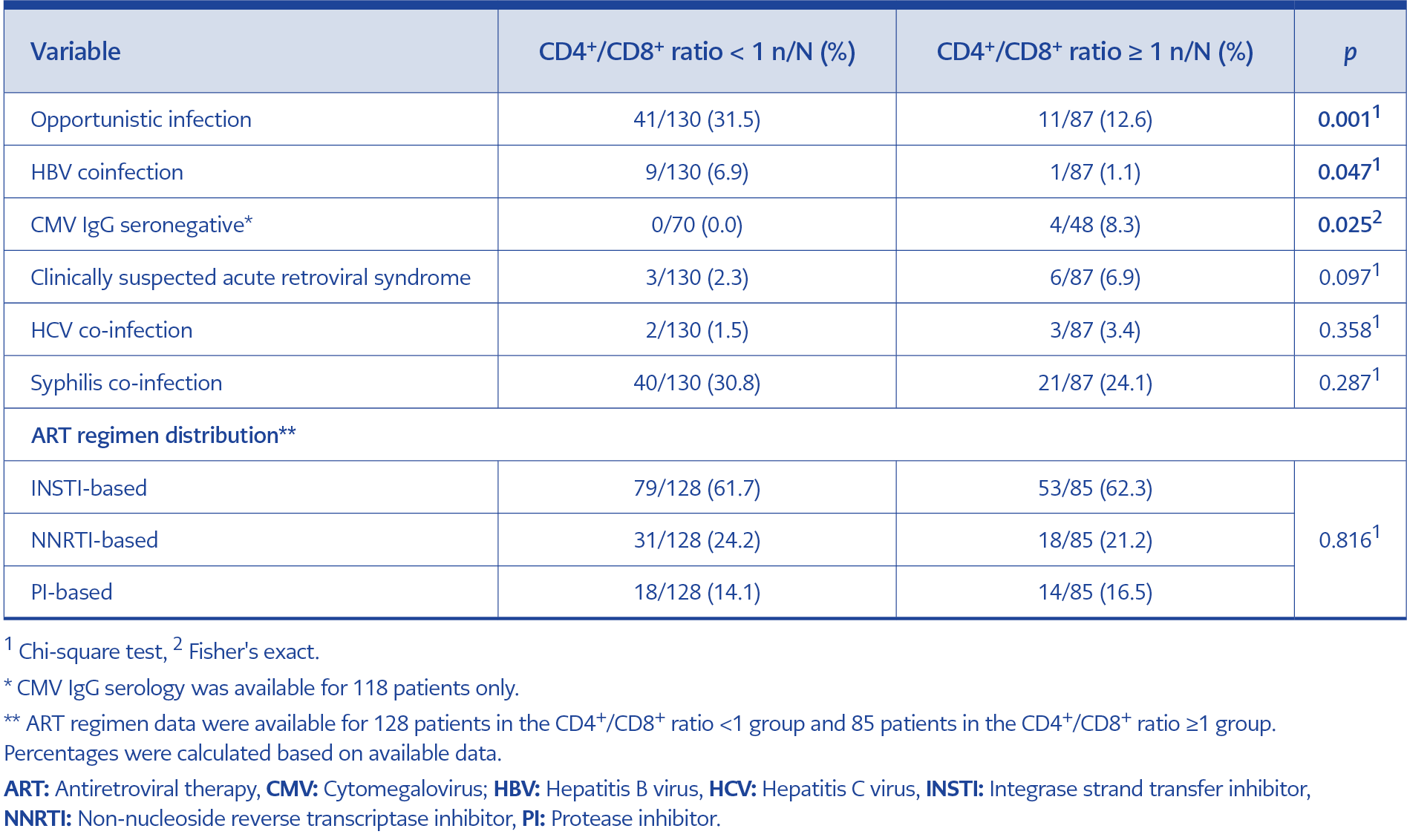
Table 4. Clinical, virological, and coinfection characteristics according to CD4+/CD8+ ratio normalization.
Cytomegalovirus IgG serology was available for 118 patients. Seronegativity was detected in 4 of 48 patients (8.3%) with CD4+/CD8+ ≥1, and in none of the 70 patients without CD4+/CD8+ ≥1. This difference was statistically significant (p = 0.025; Fisher’s exact test) (Table 4).
Clinically suspected acute retroviral syndrome was observed more frequently in patients with CD4+/CD8+ ≥1 (6.9%, n = 6) than in those without (2.3%, n = 3), though the difference was not statistically significant (p = 0.097; chi-square test). In contrast, there were no significant differences in HCV or syphilis co-infection, ART regimen type (integrase strand transfer inhibitor [INSTI], non-nucleoside reverse transcriptase inhibitor [NNRTI], or protease inhibitor [PI]), ART initiation during clinically suspected acute retroviral syndrome, or baseline HIV RNA levels. These findings are summarized in Tables 3 and 4.
Because CMV IgG serostatus was highly imbalanced and caused instability in the initial model, it was excluded from the final multivariable logistic regression analysis. In the final model, higher baseline CD4+ count (adjusted odds ratio [aOR] per 1 cells/μL increase: 1.003, 95% confidence interval [CI] 1.001–1.006; p = 0.004) and higher baseline CD4+/CD8+ ratio (aOR per 0.01-unit increase: 1.036, 95% CI 1.017–1.055; p < 0.001) were independently associated with CD4+/CD8+ ratio normalization. In contrast, HBV coinfection (aOR 0.264, 95% CI 0.030–2.310; p = 0.229) and opportunistic infection (aOR 0.610, 95% CI 0.239–1.557; p = 0.301) were not significantly associated with normalization.
Discussion
The CD4+/CD8+ ratio is a surrogate marker of systemic immune activation and inflammation. Persistently low values are linked to increased morbidity (6,8,10). Previous studies have demonstrated that even with long-term ART, the likelihood of achieving a CD4+/CD8+ ratio ≥1 remains low (9,14,15). This study defined a CD4+/CD8+ ratio ≥1 as immunological normalization, a widely accepted threshold in HIV cohorts that is aligned with the lower limit of normal in the general population (6,7,16). In the present cohort, 40.1% of patients achieved a CD4+/CD8+ ≥1 ratio after 5 years of suppressive ART, and higher baseline CD4+ T-cell counts and baseline CD4+/CD8+ ratios were independently associated with normalization.
However, several studies have proposed that lower thresholds, particularly between 0.3 and 0.4, may be more sensitive for predicting non-AIDS morbidity (6–8,10,15). Using a higher cutoff in this analysis enabled the assessment of complete immunological recovery following prolonged ART. Nevertheless, because lower thresholds may detect subclinical immune dysfunction, further studies are needed to compare the prognostic value of different cutoff points for predicting clinical outcomes.
Reported rates of CD4+/CD8+ ratio normalization to ≥1 in the literature vary. Some studies describe observed normalization during follow-up, whereas others report estimated cumulative probabilities of normalization at fixed time points. For example, Leung et al. (11) reported a low observed normalization rate of 7.2% over a median follow-up of 2.7 years, while intermediate values have been reported in Europe (29.4% at 5 years in Italy (7), and 26.3% in an Irish cohort (17). In a Canadian cohort, 28% of participants normalized during a median follow-up of 2.6 years, and the estimated probability of normalization at 5 years was 44% (18). In Thailand, estimated probabilities of normalization were 18.6% at 5 years and 39.1% at 10 years (19). The 40.1% normalization rate observed in our cohort falls within the broad range reported in previous studies. However, because the analytic cohort excluded patients with treatment discontinuation, loss to follow-up, death, failure to achieve virological suppression within the first year, and a baseline CD4+/CD8+ ratio ≥1, this rate may partly reflect the selection of a clinically stable subgroup and should therefore be interpreted with caution (18,19).
The impact of sex on CD4+/CD8+ ratio normalization remains unclear. Some cohorts reported higher normalization rates among women (18,19), while others found no significant difference after adjusting for baseline parameters (14). In the present study, no significant differences were observed between sexes. This may indicate that sex alone is not a determining factor for CD4+/CD8+ ratio normalization. However, the relatively small number of female participants in our cohort may have limited the ability to detect subtle differences.
Findings on the effect of age on CD4+/CD8+ ratio normalization are inconsistent. Some studies reported lower normalization rates in older individuals (7,20), while others found no significant impact (14,18). Age-related decline in immune and thymic function may partly explain impaired recovery in older patients (4,21). Although normalization was lower in individuals aged over 50 years in this study, the difference was not statistically significant. Older patients had higher baseline CD8+ T-cell counts and lower CD4+/CD8+ ratios. These findings support the hypothesis of age-related immunological decline. However, the relatively small number of older participants and the overall young median age may have limited statistical power.
Several studies have investigated the association between sexual orientation and CD4/CD8 ratio normalization. MSM have been reported to have a lower likelihood of achieving normalization compared with individuals infected through heterosexual transmission (7,11). This has been attributed to higher immune activation among MSM, possibly due to more frequent coinfections such as CMV and syphilis (11). In this study, no significant association was found, suggesting that sexual orientation alone may not be a key determinant of immune recovery when baseline immunological status is comparable.
Early initiation of ART, particularly during acute retroviral syndrome, has been linked to higher rates of CD4+/CD8+ ratio normalization (6,22), although this association was not statistically significant in this study, likely due to the limited number of patients. The impact of ART regimen class remains less clear. While some studies suggest faster normalization with INSTI-based therapy (23) or modest advantages of NNRTI over PI regimens (18), no consistent differences have been demonstrated across regimen classes. Overall, these findings suggest that the timing of ART initiation may matter more for CD4+/CD8+ ratio normalization than the choice of ART class.
Cytomegalovirus seropositivity has been consistently linked to non-AIDS events and slower immune recovery in PLWH (7). Cytomegalovirus-related immune activation, acting synergistically with HIV, has been associated with lower CD4+/CD8+ ratios (8,24,25). One study showed that higher CMV DNA levels were associated with increased CD8+ T-cell counts over time, indicating that CMV’s negative impact on the CD4+/CD8+ ratio is mainly due to CD8+ T-cell expansion (24). Although CMV seronegativity appeared more frequent among patients who achieved normalization, CMV IgG data were available only for a subset of the cohort and could not be included in the final multivariable model because of the highly imbalanced distribution. Therefore, this finding should be considered exploratory.
A recent systematic review reported that several studies evaluating immune recovery or CD4+/CD8+ ratio normalization included baseline HIV RNA levels in their analyses (7,8). However, some cohort analyses suggest that baseline viral load does not remain independently associated with CD4+/CD8+ ratio normalization after adjustment for immunological and clinical factors (18). Some findings suggest that a higher baseline viral load may be associated with a faster rate of viral load decay, which could support early CD4+ T-cell recovery (26). In the present study, no significant association was found between baseline HIV RNA levels and CD4+/CD8+ ratio normalization.
Previous studies have associated HBV coinfection with impaired immune recovery in PLWH, including poorer CD4+ T-cell recovery after ART initiation (27). In univariate analysis, HBV coinfection was less common among patients who achieved a CD4+/CD8+ ratio ≥1; however, this association did not remain statistically significant after multivariable adjustment.
The effect of HCV coinfection on immune recovery remains controversial. Some studies have suggested that HCV coinfection may be associated with lower CD4+ T-cell recovery, persistently higher CD8+ T-cell counts, and delayed CD4+/CD8+ ratio normalization, while others found no significant differences after adjustment for baseline immune status (28–30). These alterations have been linked to impaired thymic regeneration and hepatic inflammation rather than a direct viral effect (30). In the present analysis, no significant association was detected, possibly due to the low prevalence of HCV in the cohort.
Tuberculosis may be particularly relevant in this context, as HIV-tuberculosis coinfection can contribute to ongoing immune dysregulation and immune activation. Active tuberculosis may further complicate immune recovery. However, the long-term impact of tuberculosis on CD4+/CD8+ ratio normalization remains unclear (31). Tuberculosis remains one of the most frequent opportunistic infections among people living with HIV, even in the ART era (32). Opportunistic infections, particularly tuberculosis, were more frequent in the non-normalized group in univariate comparisons; however, they were not independently associated with normalization in the multivariable model.
In the present study, overall comorbidity status was not significantly associated with CD4+/CD8+ ratio normalization. This finding should be interpreted cautiously, as comorbidities were assessed as a composite variable and several individual categories were represented by small numbers. Consistent with this, Passos et al. (14) reported no overall association between the CD4+/CD8+ ratio and comorbidity status, although lower CD4+/CD8+ ratios were associated with neurocognitive disorders.
This study has several limitations that should be acknowledged. Because of its retrospective design, the study is subject to missing data, potential misclassification, residual confounding, and the inability to establish causality. Nearly half of the initial cohort was excluded due to treatment discontinuation, loss to follow-up, or death, as well as a baseline CD4+/CD8+ ratio ≥1 or failure to achieve virological suppression within the first year. This selection may have introduced survivor and selection bias and may have contributed to an overestimation of CD4+/CD8+ ratio normalization rates.
Some clinical variables could not be assessed in sufficient detail. Acute retroviral syndrome was identified retrospectively based on documented recent high-risk exposure and compatible mononucleosis-like symptoms; however, laboratory evidence confirming acute HIV infection was not consistently available. Therefore, these cases should be interpreted as clinically suspected acute retroviral syndrome rather than laboratory-confirmed acute HIV infection. Similarly, CMV pneumonitis could not be definitively confirmed in all cases because histopathological or cytological demonstration of CMV and systematic exclusion of alternative pulmonary pathogens were not consistently available. Accordingly, pulmonary CMV cases should be interpreted as suspected rather than proven CMV pneumonitis. In addition, CMV IgG serology was available only for a subset of patients, and CMV-related findings should therefore be interpreted with caution. The small sample size in certain subgroups may have reduced the statistical power to detect significant associations. The small number of malignancy cases also precluded a separate analysis of AIDS-related and non-AIDS-related malignancies. Individual comorbidity categories were represented by small numbers, which limited the feasibility and statistical reliability of separate condition-specific analyses. In addition, comorbidities were primarily recorded at the time of HIV diagnosis or ART initiation; incident comorbidities developing during follow-up, such as dyslipidemia, hypertension, diabetes mellitus, cardiovascular disease, or osteoporosis, could not be systematically captured. This may have underestimated the long-term comorbidity burden of the cohort. Important clinical and behavioral factors, such as non-CMV herpesvirus infections, tobacco use, alcohol consumption, and other markers of immune activation, could not be assessed due to data unavailability. These findings should therefore be interpreted with caution and validated in future prospective studies with standardized diagnostic definitions and broader longitudinal data collection.
In conclusion, approximately 40% of individuals living with HIV achieved a CD4+/CD8+ ratio ≥1 after 5 years of suppressive ART. Higher baseline CD4+ counts and baseline CD4+/CD8+ ratios were independently associated with a greater likelihood of CD4+/CD8+ ratio normalization. Although HBV coinfection and opportunistic infections showed associations in univariate analyses, these associations were not retained after multivariable adjustment. CMV-related findings should be interpreted cautiously, as CMV IgG serology was available only for a subset of patients and could not be included in the final multivariable model. These findings emphasize the clinical relevance of monitoring the CD4+/CD8+ ratio as a marker of immune recovery and support the need for personalized follow-up strategies. Future prospective studies are needed to validate these associations and explore interventions that may improve immunological outcomes in high-risk subgroups.